Taunton Motors Taunton Motors

10 Best High Speed DC Motors for Industrial Buyers?

Time:2026-10-31 Author:Madeline
0%

Choosing among the 10 best high-speed DC motors takes more than comparing maximum RPM figures. Industrial buyers must match motor speed with torque, supply voltage, duty cycle, and the demands of the driven equipment. A High Speed DC Motor may suit a compact conveyor, spindle, pump, or automated tool, but its performance depends on the complete system. Load changes matter. So does heat.

This guide outlines practical factors for evaluating motor options, including brushed or brushless construction, speed control, cooling, mounting, and maintenance access. Check rated speed and torque together, then review the manufacturer’s operating limits and test data. A motor that looks strong on a specification sheet may struggle with frequent starts or sustained loads. That detail is easy to miss. Buyers should also consider controller compatibility, bearing life, noise, and the cost of replacing wear components. No single model is best for every plant. The right choice depends on the application, installation conditions, and required service life. Even careful comparisons leave uncertainty; real operating data can reveal problems that a catalog cannot.
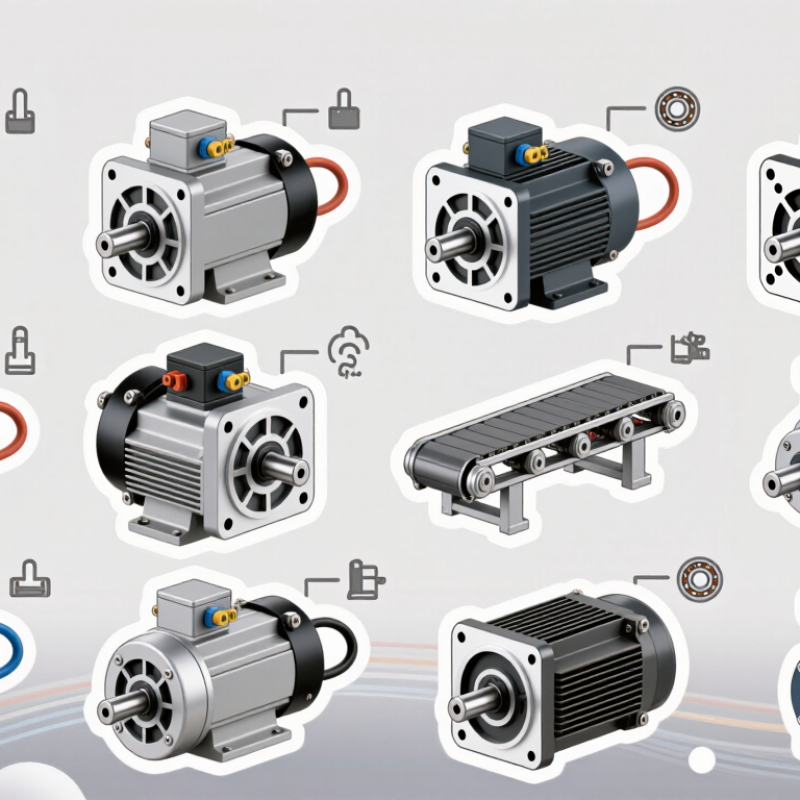
10 Best High Speed DC Motors for Industrial Buyers?

Understanding High-Speed DC Motors and Their Operating Principles

High-speed DC motors convert electrical energy into rotation through magnetic forces acting on current-carrying conductors. In a brushed motor, a commutator switches current direction as the rotor turns. Brushless designs use an electronic controller to perform that switching. The details matter. A motor’s operating principle affects its maintenance needs, control method, and suitability for continuous production.

Speed generally rises with applied voltage, while torque depends largely on current. As the rotor spins, it generates back electromotive force, which opposes the supply and limits current. Under load, speed usually falls; a controller may adjust voltage to maintain the target. That response is useful, but not magic. Sudden load changes can still cause heat, vibration, or unstable operation.

At high speeds, balance and bearing quality become critical. Even a small rotor imbalance can create noticeable vibration, especially during long shifts. Brushed motors may need brush and commutator inspections, while brushless motors depend on compatible electronics and sound thermal management. Buyers should compare rated speed with the actual load, duty cycle, and cooling conditions. A motor that reaches an impressive no-load speed may perform poorly in a hot enclosure or under frequent starts. I would not judge it by speed alone; real operating data is sometimes less tidy than a catalog suggests.

Key Specifications for Comparing Industrial DC Motors

Compare high-speed industrial DC motors at the operating point, not by maximum rpm alone. Record rated voltage, continuous current, speed range, and the torque-speed curve. A motor reaching 8,000 rpm may still fail to deliver enough torque under load. Check continuous and peak torque separately, and confirm how long peak output is permitted. Heat matters. Ask for winding temperature limits, cooling requirements, and duty-cycle ratings; a compact motor in a poorly ventilated enclosure can overheat sooner than its catalogue suggests.

Efficiency deserves careful context. The IEA and UN Environment Programme’s 2017 Policy Guidelines for Electric Motor Systems estimate that electric motor systems use about 45% of global electricity. This figure covers motor systems broadly, not DC motors alone, but it shows why operating efficiency matters. Compare efficiency at the speeds and loads your process actually uses, rather than relying on one headline percentage. Also review controller compatibility, speed regulation, shaft and bearing limits, and the measurement conditions behind each rating. Not just peak speed. One detail is easy to overlook: frequent acceleration can increase thermal stress and maintenance needs. Request test data and clarify whether ratings are continuous or intermittent; supplier sheets do not always make that distinction obvious.

10 High-Speed DC Motor Configurations: Typical Speed Ranges

A comparison of indicative rated-speed bands for common industrial DC motor configurations. Actual speeds depend on the specific motor, voltage, load, and operating conditions; these ranges are not product ratings.

Use speed as one selection factor alongside rated power, torque, duty cycle, cooling, and control requirements. Series-wound motors can overspeed under light or no load.

10 High-Speed DC Motors for Industrial Buyers

10 High-Speed DC Motors for Industrial Buyers

Choosing a high-speed DC motor starts with the load, not the top RPM printed on a specification sheet. A conveyor roller, compact pump, and precision spindle place different demands on torque, heat, and duty cycle. Check rated speed under load, starting current, shaft dimensions, and the motor’s continuous operating rating. A motor reaching 8,000 rpm unloaded may slow sharply when coupled to a heavy mechanism. That difference matters.

Buyers should compare brushed and brushless designs, controller compatibility, cooling method, and service access. Brushless units often suit long operating hours, while brushed types may be simpler to maintain in some setups. Verify bearing-life data, vibration limits, and test conditions. Ask for a performance curve, not just a peak-speed claim. Small details count.

Tips: Match the motor to the real load profile. Leave headroom for startup torque and temperature rise. Confirm whether the quoted speed is loaded or no-load, and check controller voltage and current compatibility. Build a shortlist across frame sizes, voltage ranges, and torque bands. Compare efficiency at your normal operating point, since peak efficiency may occur elsewhere. Include mounting constraints and replacement lead time. Specifications can miss site conditions, so pilot testing under actual load is worthwhile, even when it complicates purchasing.

Matching Motor Types to Industrial Applications

Choosing a high-speed DC motor starts with the machine’s real load, not its maximum rated speed. A small brushed motor can suit a packaging feeder that starts and stops often. Its simple control is useful, but brushes wear and need scheduled inspection. That matters. In a dusty workshop, brush debris and ventilation deserve attention.

Brushless DC motors often fit fans, compact pumps, and automated spindles that run for long shifts. They avoid brush wear, though the electronic controller must match the motor’s voltage, current, and speed range. Check torque at operating speed, not just the peak figure on a datasheet. A motor may reach 10,000 rpm unloaded, then slow sharply under a belt or cutting load. Catalog speed alone is an imperfect guide.

Permanent-magnet DC designs can provide responsive speed control in conveyors and test equipment, while wound-field types may suit applications needing adjustable field control. Compare duty cycle, starting torque, ambient temperature, and bearing ratings against the actual process. One point is often missed. Measure shaft vibration and temperature after installation, especially when a coupling or pulley has been added. A selection that looks right on paper can still need revision once the machine runs through a full production shift.

10 Best High Speed DC Motors for Industrial Buyers? - Matching Motor Types to Industrial Applications

These motor architectures are common options for high-speed industrial duties. Speed figures are broad indicative design ranges, not guaranteed ratings; actual performance depends on motor size, voltage, controller, cooling, load, and duty cycle.

No. Motor type Indicative speed range (rpm) Suitable industrial applications Key advantages Selection considerations
1 Inrunner brushless DC (BLDC) 5,000–30,000+ High-speed pumps, compact compressors, spindles, and automated equipment Good power density, no brushes to replace, and broad speed-control capability with a suitable electronic drive Requires a compatible controller; check rotor limits, bearing rating, cooling, and operation above base speed.
2 Slotless BLDC 5,000–20,000 Precision pumps, laboratory automation, small actuators, and low-vibration machinery Low cogging torque and smooth operation; brushless construction supports reduced routine maintenance Thermal capacity and continuous torque can be limiting in compact frames; compare the complete motor-and-drive package.
3 Coreless brushed DC 5,000–20,000 Light-duty automation, compact dosing equipment, and low-inertia positioning systems Low rotor inertia allows quick acceleration and deceleration; simple voltage-based control is possible Brush and commutator wear require maintenance; confirm current, heat dissipation, and service life for the duty cycle.
4 Permanent-magnet brushed DC (PMDC) 3,000–10,000 Small industrial pumps, feeders, rollers, and auxiliary drives Compact construction, straightforward control, and useful starting torque in many designs Speed varies with load and supply voltage; brushes need inspection, and continuous high-speed operation may shorten service life.
5 Series-wound brushed DC 3,000–15,000+ under suitable conditions High-starting-torque tools, hoists, and intermittent-duty machinery designed for series motors High starting torque and the ability to operate from a DC supply Speed is strongly load-dependent. Never run unloaded unless the motor is specifically designed for it; overspeed can be hazardous.
6 Shunt-wound DC About 1,000–4,000 at base speed; higher with approved field weakening Variable-speed process equipment, older industrial drives, and machinery needing relatively steady speed Relatively stable speed under changing load when correctly controlled; speed can be adjusted through armature and field control Field weakening must remain within the motor’s approved operating limits; verify commutation, insulation, and overspeed protection.
7 Compound-wound DC About 1,000–4,000 at base speed; design-dependent above base Presses, conveyors, and drives that need both strong starting torque and more stable speed Combines characteristics of series and shunt field windings to balance starting torque and speed regulation More complex than PMDC designs; confirm the compound connection, controller compatibility, and maintenance requirements.
8 Permanent-magnet DC servo motor 2,000–6,000 commonly; higher-speed designs are available Packaging machines, indexing systems, machine-tool axes, and precise motion-control applications Can provide responsive closed-loop speed and position control when paired with feedback and a servo drive Match encoder feedback, drive current, peak torque, and thermal limits to the motion profile; brushed versions require brush maintenance.
9 Outer-rotor BLDC 1,000–8,000, depending on design Fans, blowers, direct-drive impellers, and applications where compact torque at moderate-to-high speed is useful Can deliver useful torque in a compact arrangement and avoids brush wear Many outer-rotor designs are optimized for lower speeds than inrunner types; check rotor inertia, balance, and maximum rated speed.
10 Axial-flux BLDC 3,000–15,000, design-dependent Compact pumps, specialized machinery, and equipment with tight space or power-density constraints Flat geometry can suit space-constrained installations; brushless operation supports low routine maintenance Available ratings vary widely. Review cooling, axial loads, rotor retention, and the manufacturer’s continuous and peak speed limits.

Buyer tip: Compare rated speed under the intended load—not only no-load speed—and verify the motor’s continuous-duty rating, controller compatibility, cooling method, bearing life, and required safety protection.

Installation, Control, and Maintenance Considerations

High-speed DC motors can deliver responsive motion, but installation details strongly affect service life. Confirm the motor’s speed, torque, voltage, and duty cycle against the actual load, including startup peaks. Mount it on a rigid, level surface, and align the shaft carefully with the driven equipment. Even slight misalignment can increase vibration and bearing wear. Leave clearance around cooling openings, and fit suitable guards around rotating shafts.

Controller settings need equal care. Match the controller to the motor’s voltage and current limits; do not rely on average load alone. Set acceleration gradually to reduce current spikes and mechanical shock. Where speed varies, use feedback suited to the application, and test performance across the expected load range. Listen during commissioning. A new whine or uneven vibration deserves investigation, not guesswork.

Maintenance works best when readings have a baseline. Record operating current, temperature, vibration, and speed after commissioning, then compare them during scheduled checks. Inspect terminals for looseness or heat discoloration, and keep ventilation paths clear of dust. Check brushes and commutators when the motor design uses them; follow the manufacturer’s service intervals. Stop and isolate power before inspection. One practical limitation: ambient heat and contamination can change the schedule, so fixed calendar intervals may not be enough.

FAQS

What should I check before choosing a high-speed DC motor?

Start with the actual load, required torque, duty cycle, and operating speed. Check shaft dimensions and starting current too. The top RPM alone can mislead.

Why can a motor’s rated speed differ from its working speed?

A speed listed without a load may drop when the motor drives a belt, pulley, or heavy mechanism. Ask for a performance curve under load. That detail matters.

When might a brushed motor be suitable?

A brushed motor can work well in a packaging feeder that starts and stops frequently. It may be simpler to maintain, but its brushes wear over time. Check them regularly.

What should I consider with a brushless motor?

Brushless motors can suit fans, pumps, and spindles running through long shifts. Match the controller’s voltage, current, and speed range to the motor. Compatibility is not automatic.

How can I compare motor efficiency fairly?

Compare efficiency at your normal operating point, not only at peak efficiency. A useful test should reflect the machine’s usual load and speed.

Which details matter beyond speed and torque?

Check cooling, bearing-life data, vibration limits, ambient temperature, mounting space, and replacement lead time. Small details count.

What should I inspect after installation?

Measure shaft vibration and motor temperature after adding a coupling or pulley. Run the machine through a full production shift. Paper specifications can miss site conditions.

Is pilot testing worth the extra effort?

Yes, testing under the actual load can reveal problems before routine operation. It may complicate purchasing, though. I might still underestimate a site’s quirks.

Conclusion

This guide explains how a High Speed DC Motor works, including how electrical energy produces rotation and why motor design affects speed, torque, and operating behavior. It outlines the key specifications industrial buyers should compare, such as rated speed, torque, power, voltage, current, efficiency, cooling requirements, and duty cycle. These factors provide a practical framework for evaluating ten high-speed DC motor options without relying on a single specification or assuming that one design suits every operation.

The guide also shows how to match motor characteristics to industrial applications, taking workload, operating environment, control needs, and installation constraints into account. It closes with practical considerations for mounting, speed regulation, electrical connections, routine inspection, and maintenance. By assessing application requirements alongside performance and upkeep, buyers can make a more informed choice and support dependable, efficient motor operation over time.

Madeline

Madeline

Madeline is a dedicated marketing professional with a wealth of expertise in our company's core offerings. With a keen understanding of the industry, she brings a unique perspective to her role, consistently delivering high-quality content that highlights the superior aspects of our products. As......