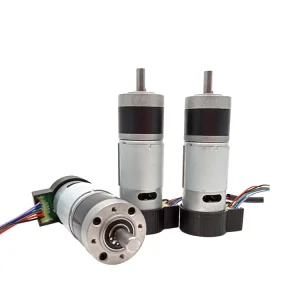
Taunton Motors Taunton Motors

Motor with Encoder Manufacturer & Exporter

Empowering Industrial Automation with High-Precision Closed-Loop Micro-Drive Systems

Market Overview

The Global Industrial Landscape of Encoder Motors

Why modern intelligent mechanical architectures depend on reliable, high-resolution integrated feedback.

The global transition toward automation, robotics, and cyber-physical systems has elevated the role of the humble micro drive. Across sectors such as precision medical equipment, automated guided vehicles (AGVs), semiconductor manufacturing, and smart grid distribution, the necessity of closed-loop control is absolute. Direct-drive or standard open-loop brush systems no longer suffice when modern specifications require sub-millisecond corrections and micron-level accuracy.
As a leading manufacturer and exporter, Taunton Motors has recorded a marked shift in global demand patterns. Engineers in Europe, North America, and Developed Asia are optimizing their supply chains by procuring consolidated geared motor and encoder assemblies. By sourcing integrated units, companies minimize tolerance accumulation errors, reduce assembly time by up to 35%, and limit the physical profile of their drive assemblies. Our exported modules serve critical hubs in German industrial automation, American surgical robotics, and dynamic retail logistics interfaces throughout East Asia.
150K+
Monthly Global Export
< 0.1°
Rotational Backlash
4096
Max PPR Resolution
100%
Closed-Loop Inspected
Corporate DNA

Mastering the Micro-Universe: The Taunton Motors Standard

At Taunton Motors, we measure our success in micrometers and decibels. We understand that inside a premium robotic joint, a medical dosing pump, or a high-end smart lock, space is the ultimate luxury. Our mission is to pack maximum torque, unyielding durability, and near-silent acoustics into the most compact footprints imaginable.

Our expertise lies in the harmony of miniature engineering. From precision-wound rotors and high-purity copper commutators to custom-designed planetary gearheads, every component inside a Taunton Motors micro motor is optimized for low energy consumption and a friction-free lifespan. We constantly push the limits of micro-drive tech, utilizing advanced automated Swiss-style hobbing and Japanese dynamic balancing to ensure that our internal gear trains operate with zero-backlash precision. When the integrity of your high-tech device hangs on repeated mechanical perfection, Taunton Motors delivers the silent power that anchors your design.

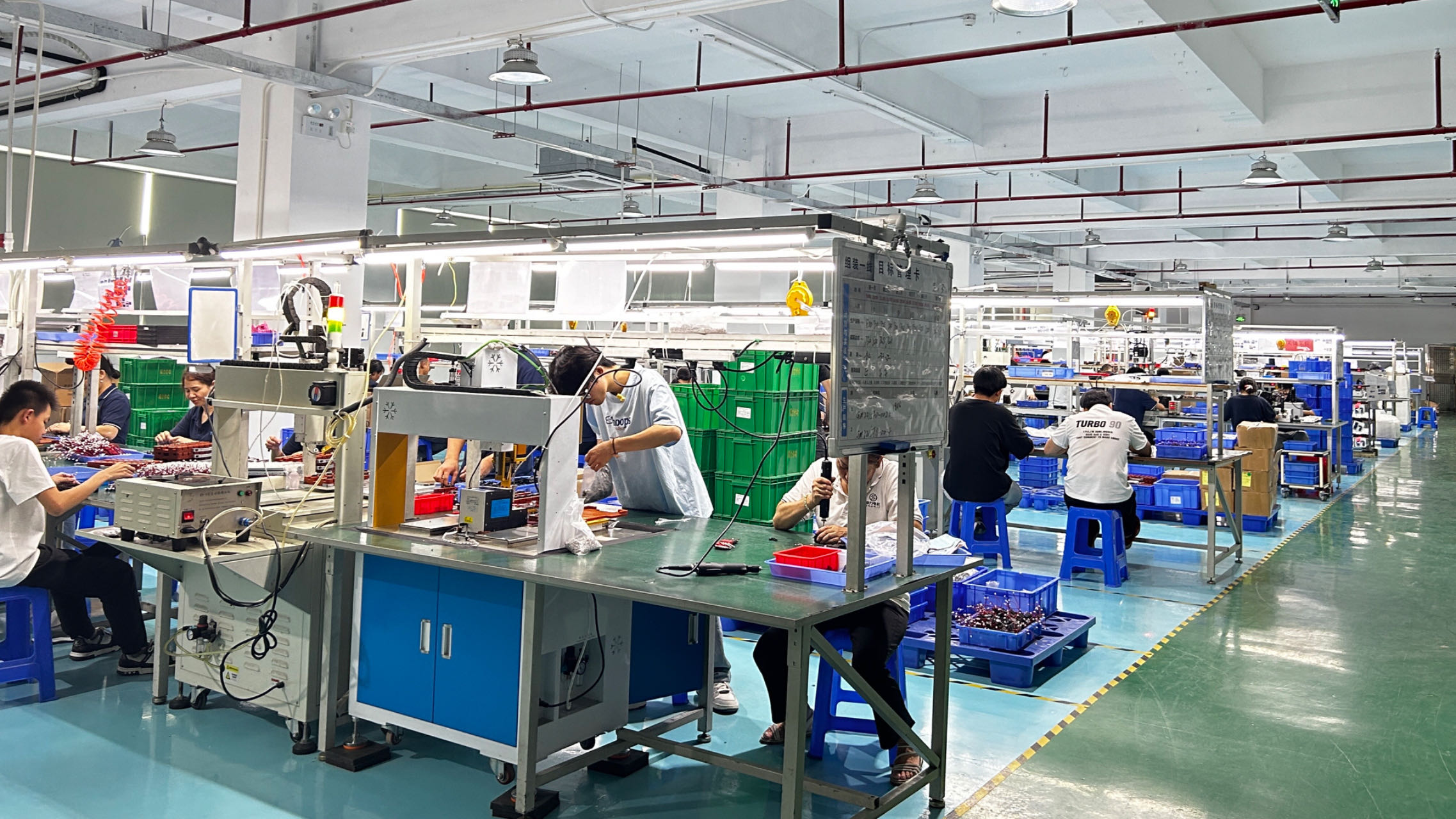
Taunton Motors Standard Quality Assurance
Technology & Trends

Technical Roadmap & Industry Future Trends

Analyzing the convergence of electromagnetic topology, sensory systems, and smart control.

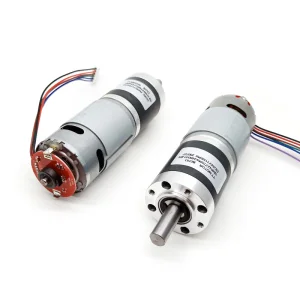
The technical trajectory of miniature encoder motors is defined by three major dimensions: feedback resolution, integration density, and communication protocol intelligence. Historically, incremental magnetic encoders utilized 7 to 16 pulses per revolution (PPR) via magnetic Hall disks. Today, magnetic encoder chips utilizing high-sensitivity magnetoresistive elements achieve up to 4096 PPR in N20-sized footprints, transforming tiny gearboxes into true servo-equivalent drives.
Furthermore, the industrial internet of things (IIoT) requires motors to act as edge nodes. Our engineering roadmap includes the transition from basic analog AB-phase quadrature outputs to digital bus communications such as CANopen, Modbus, and BiSS-C interface nodes. This shift enables real-time diagnostic reporting—allowing centralized controllers to monitor winding temperature, current surges, and backlash variations before mechanical breakdown occurs.

Magnetic vs. Optical Feedback

Magnetic encoders survive high contamination and dust, while optical variants deliver ultra-precision without sensitivity to stray magnetic fields.

Planetary Reducers Optimization

Utilizing tooth profile modifications, our planetary systems reach minimum backlash and maximum load distribution across multi-stage configurations.

EMC/EMI Shielding Standards

High-frequency digital signals require robust internal grounding and shielding on raw encoder cabling to avoid electrical crosstalk in dense layouts.

Manufacturing Excellence

Step-by-Step Production Process Flow

Every stage is executed under ISO9001 governance to guarantee zero-defect micro drive modules.

Raw Material Inspection
Raw Material
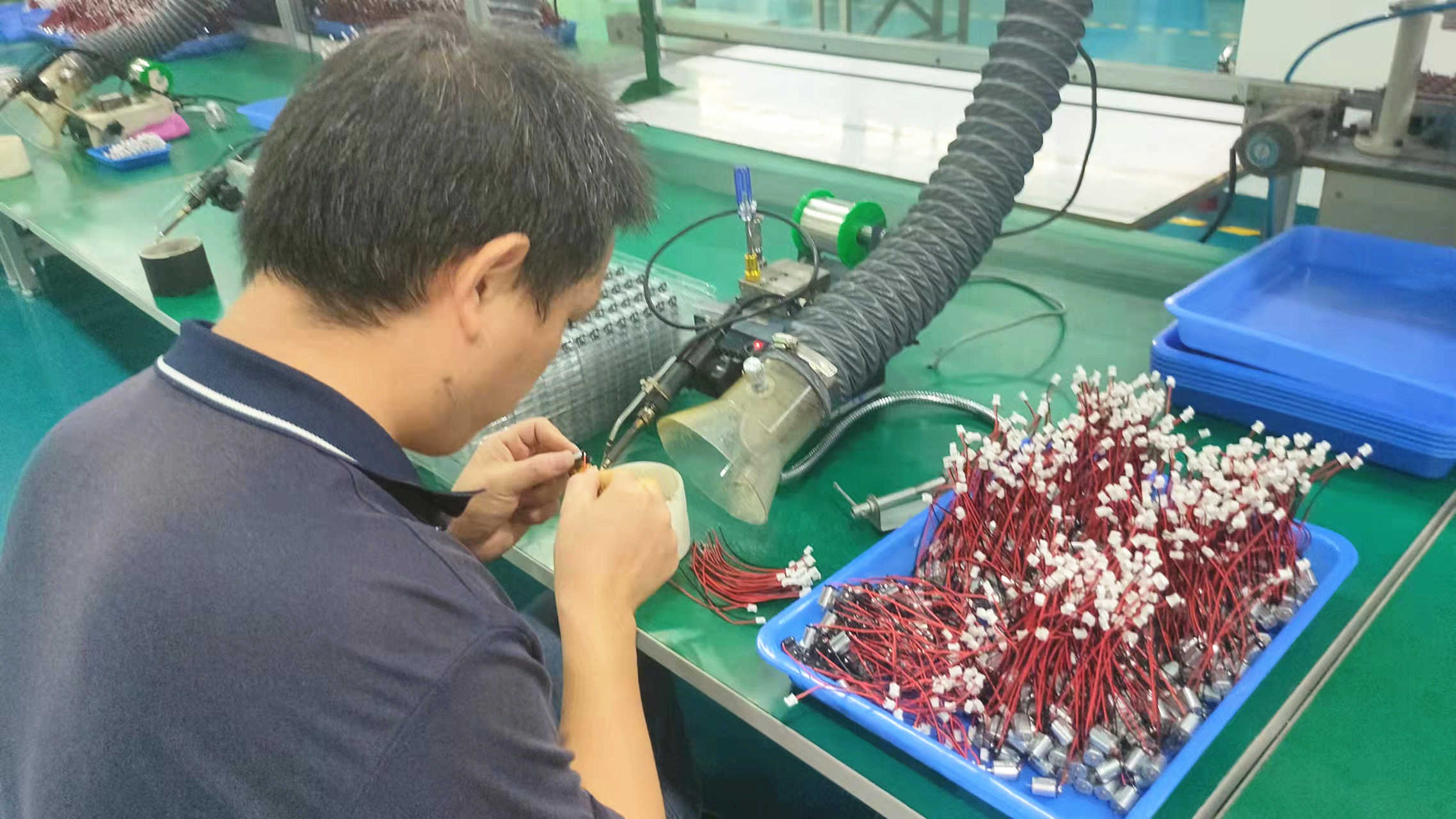
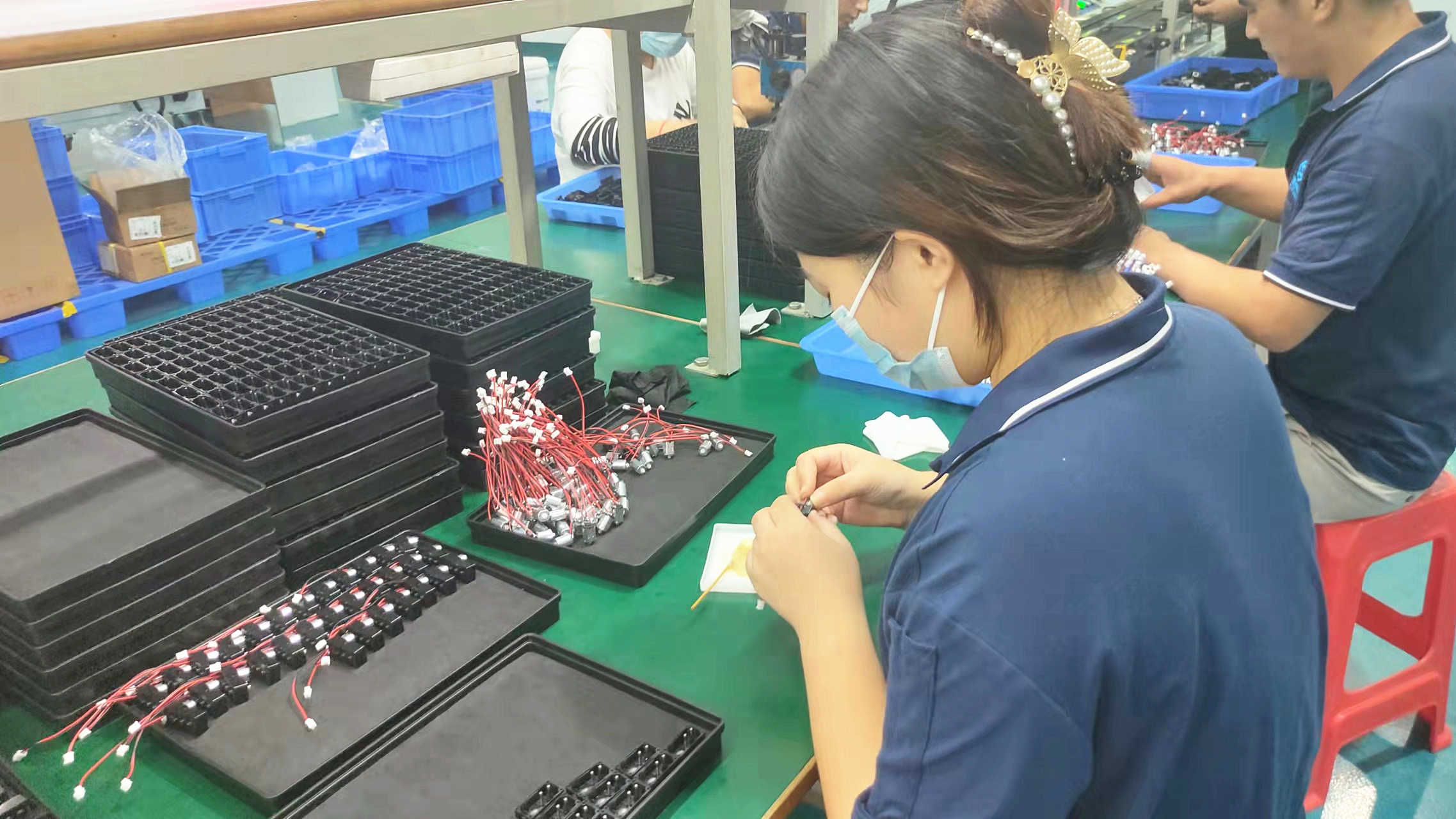
Precision Soldering Station
Soldering
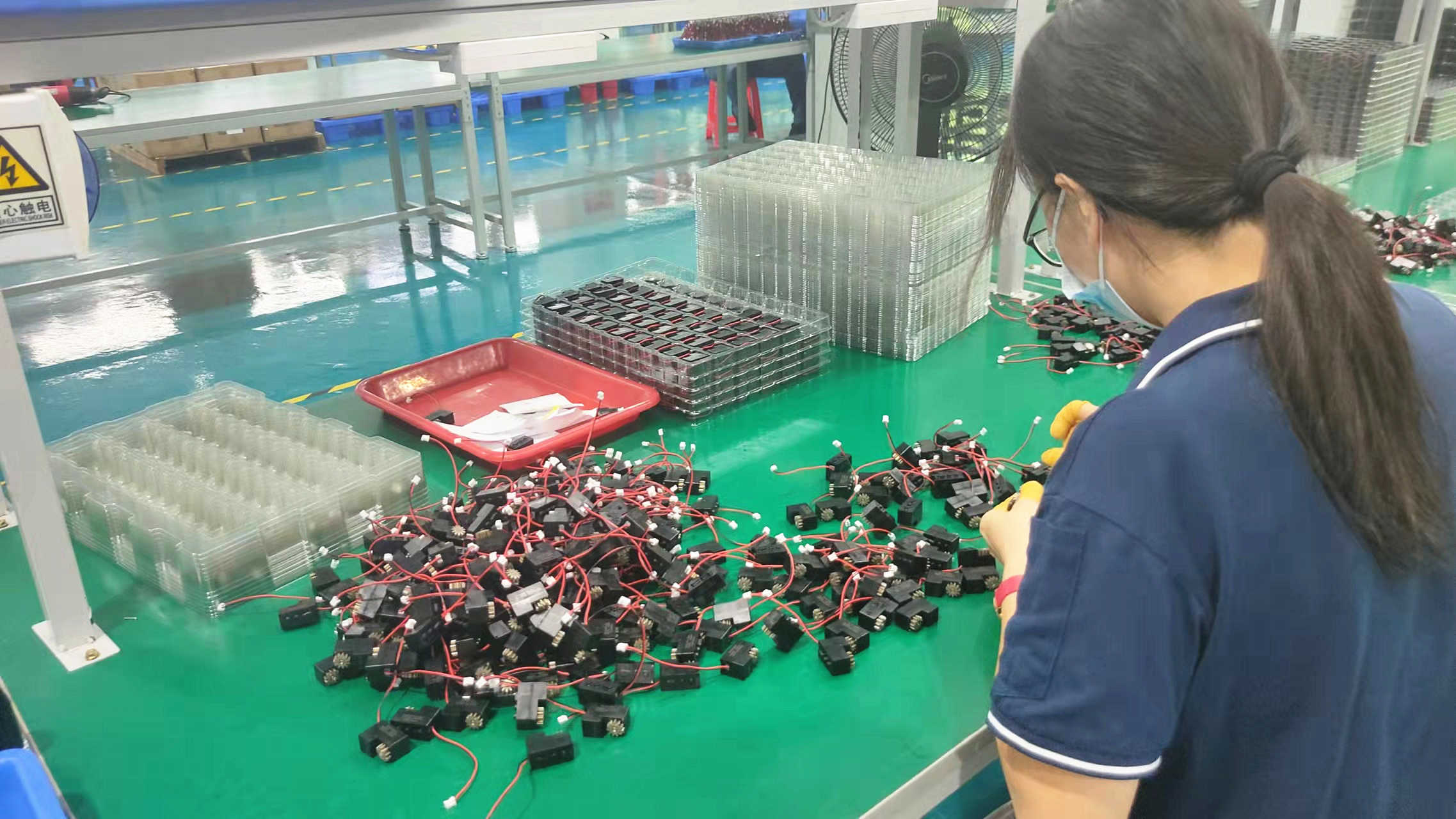
Automated Motor Assembly Line
Assembling
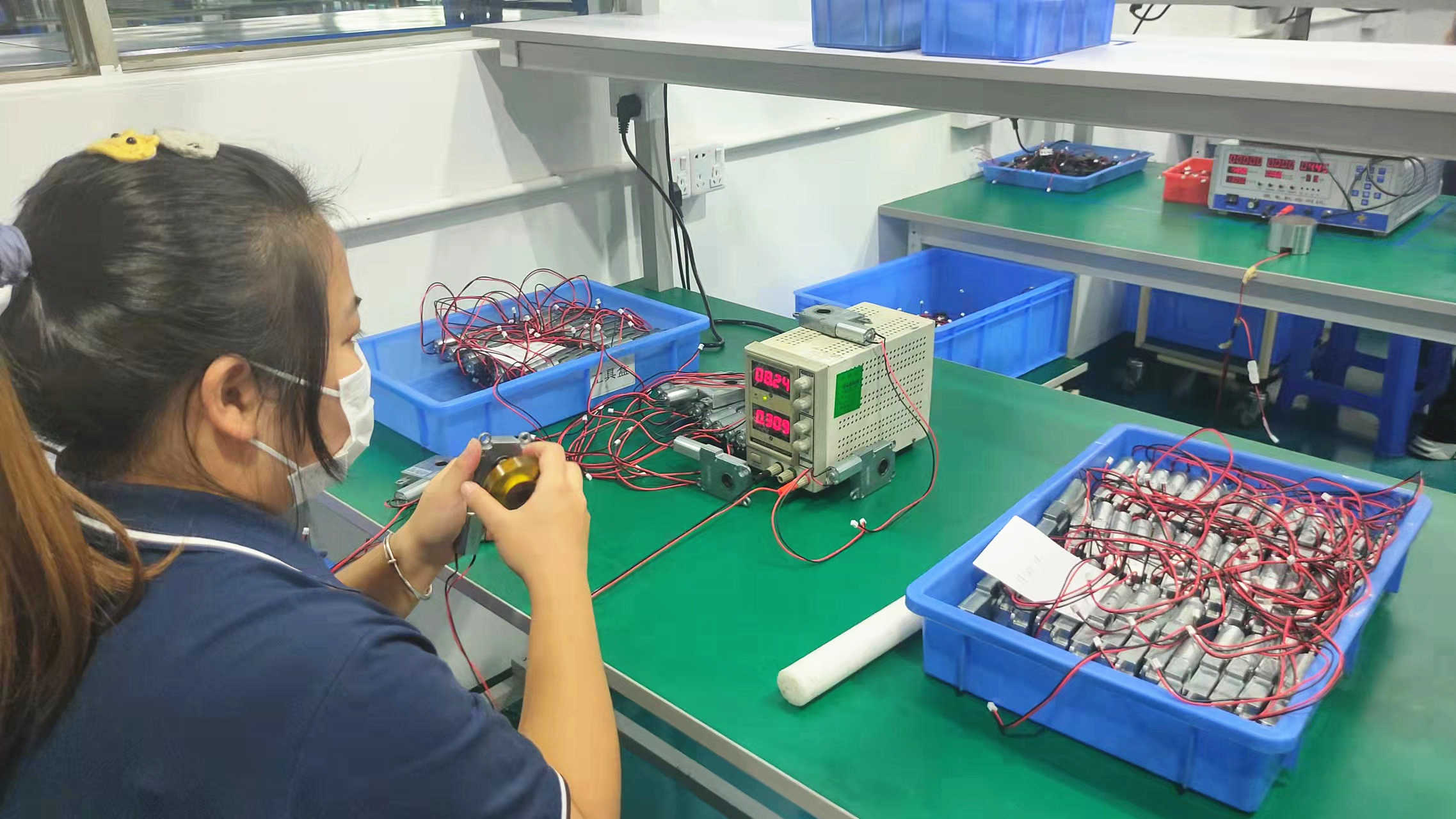
In-line Verification & Testing
Testing
Electrostatic Protective Packaging
Packing
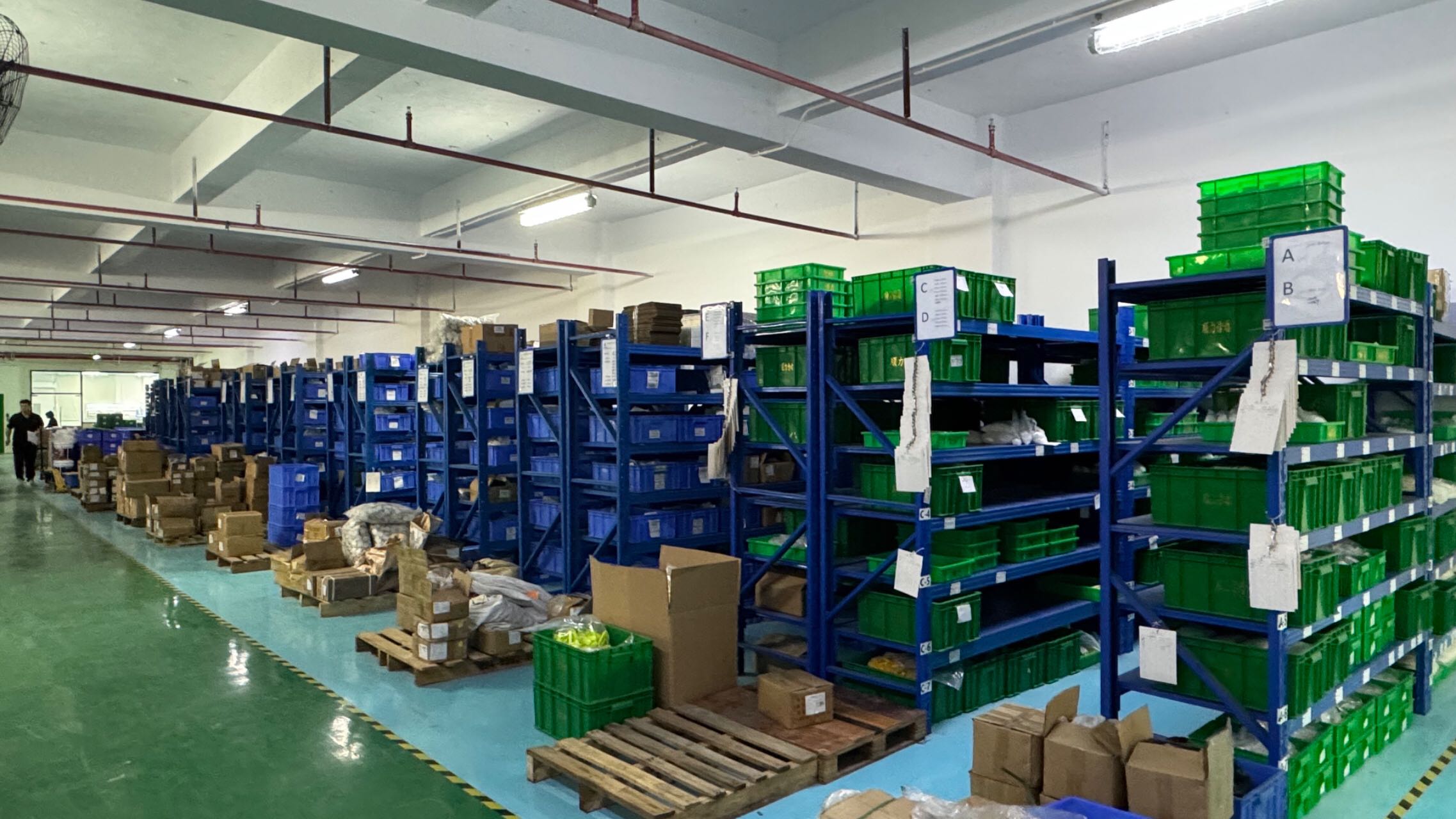
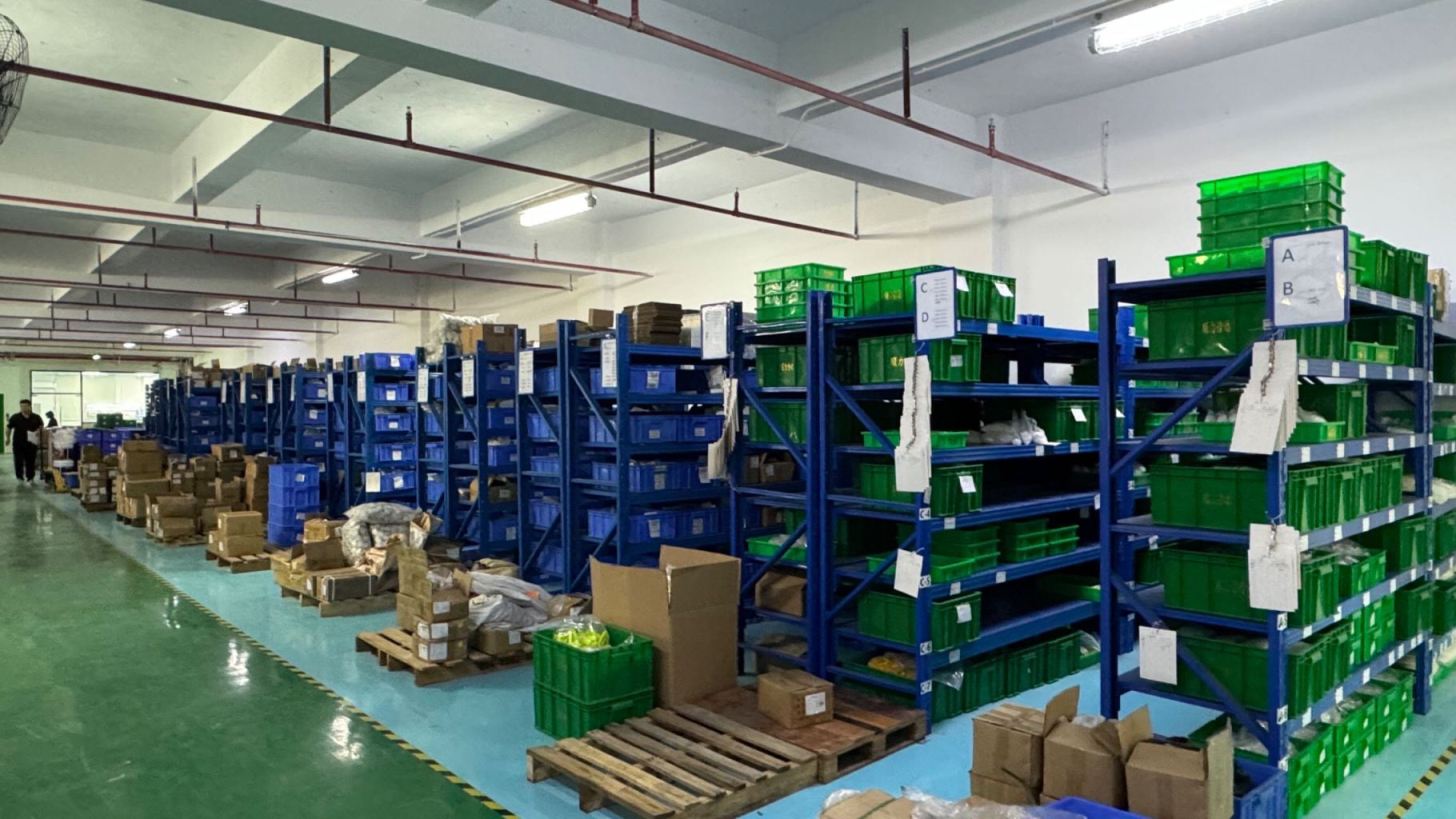
Constant-Climate Warehouse Storage
Storage
Machining Center

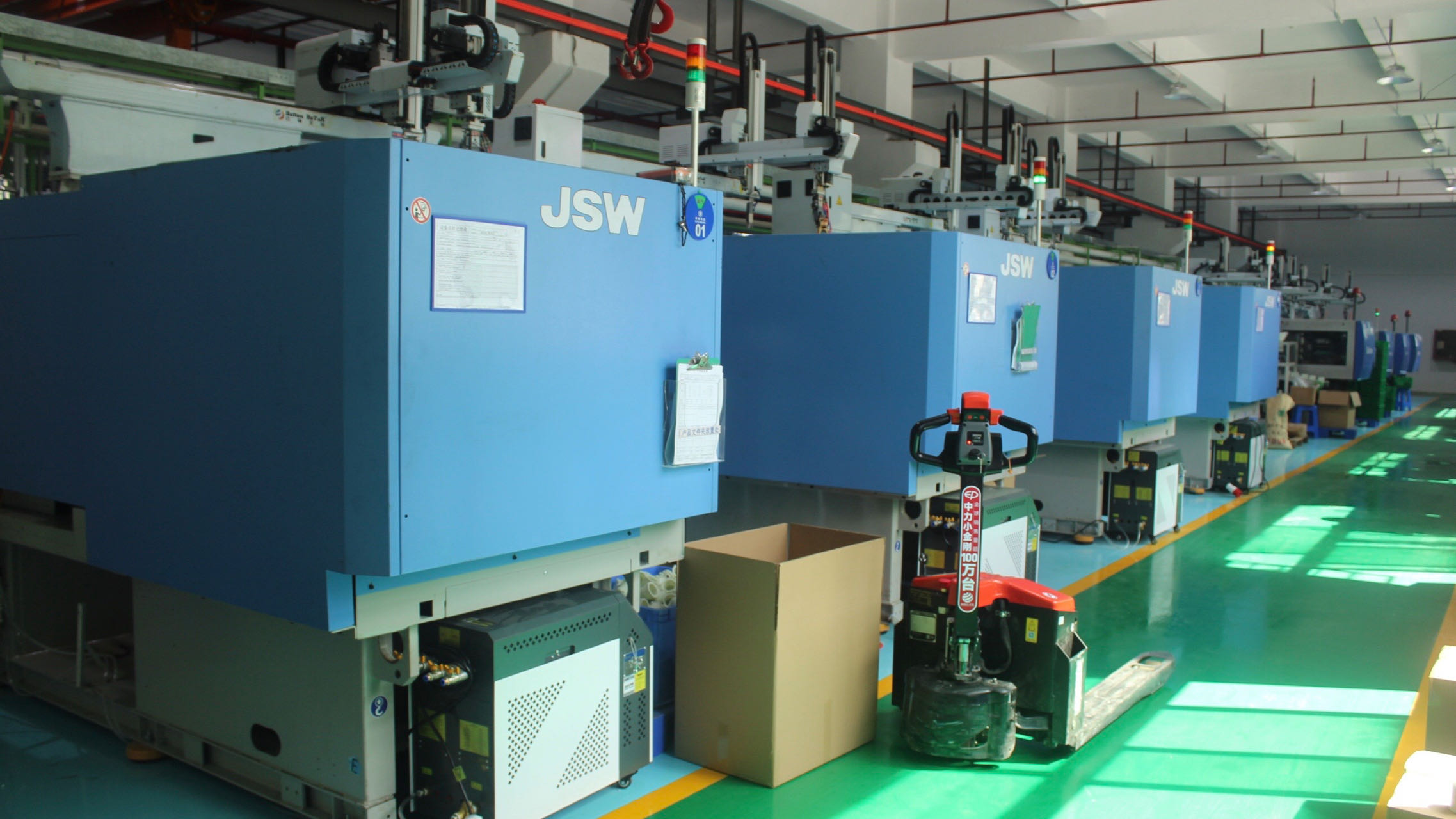
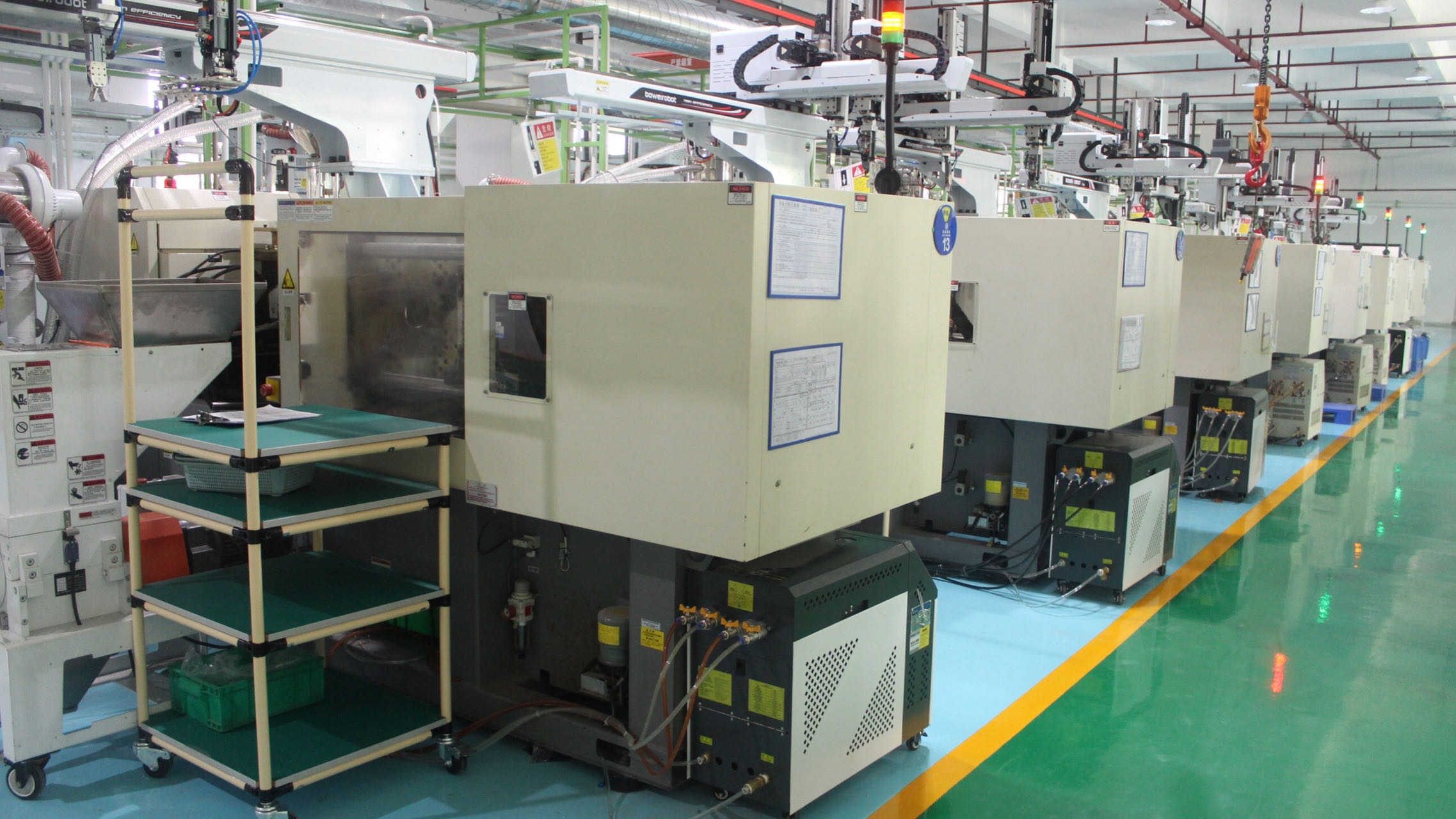
State-of-the-Art Production Machinery

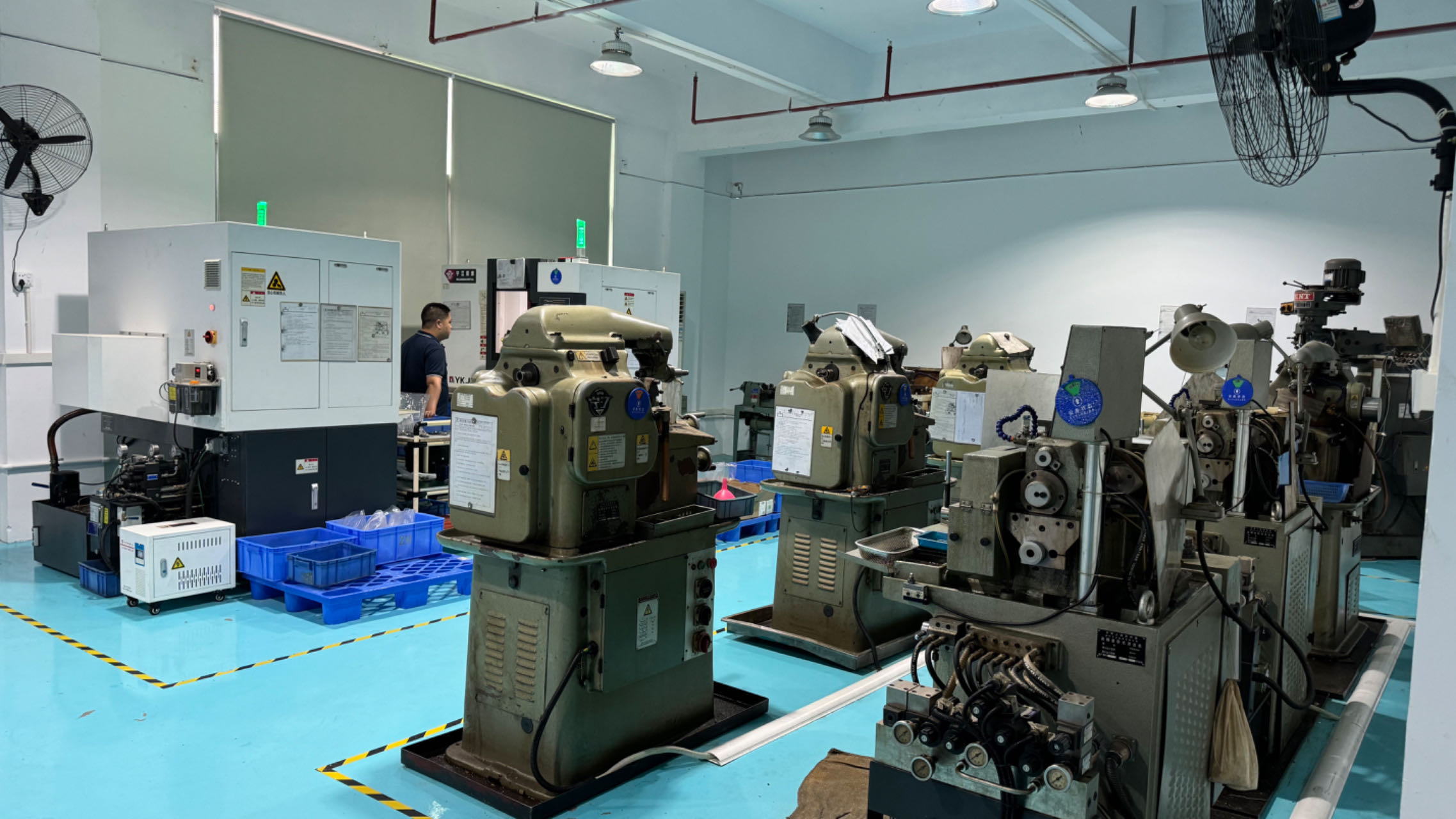
Using automated Swiss-style hobbing and Japanese CNC technologies to ensure sub-micron tolerances.
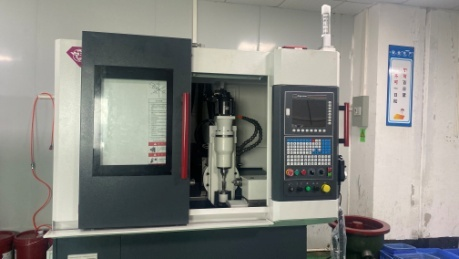
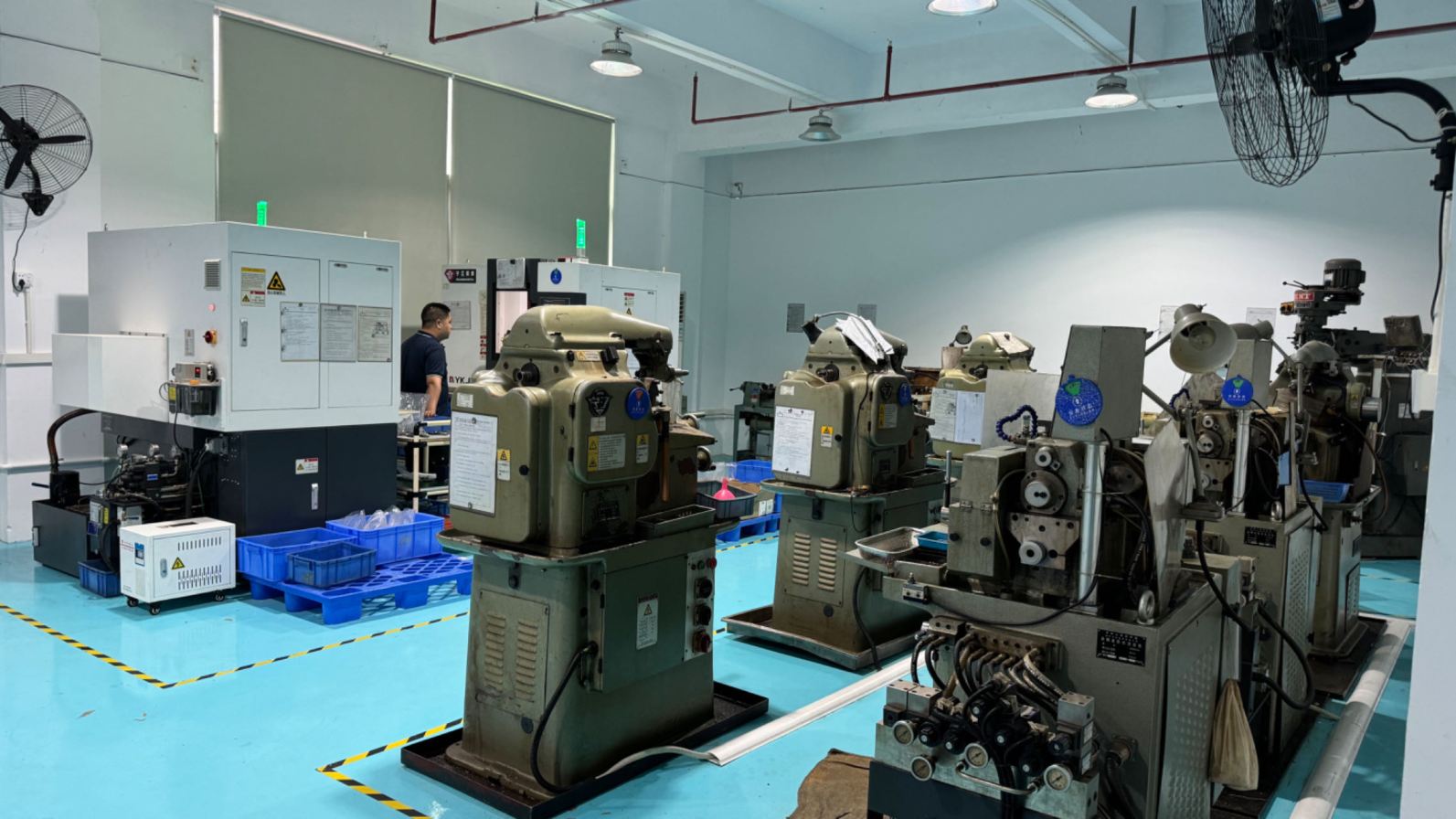
NINGJIANG MACHINE TOOL
High Precision Horizontal Gear Hobbing Machine
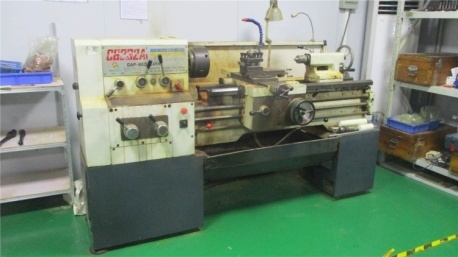
Lathing Machine
Lathing Machine
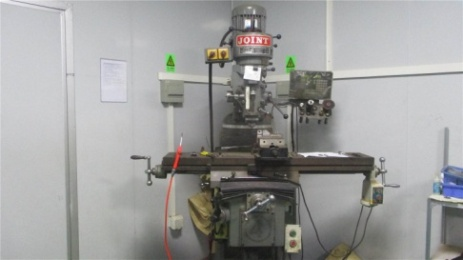
Milling Machine
Milling Machine
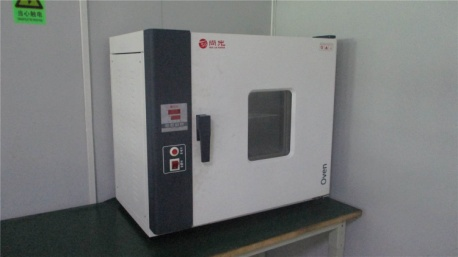
Drying Oven
Drying Oven
Automatic Gear Riveting Machine
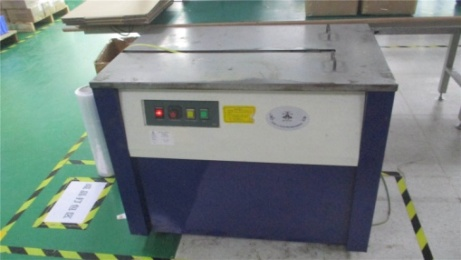
Packing Machine
Packing Machine
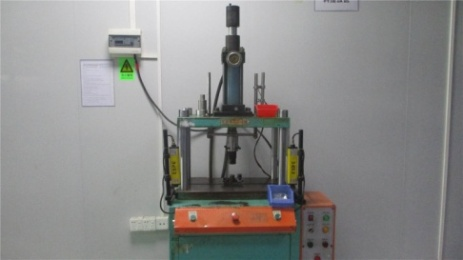
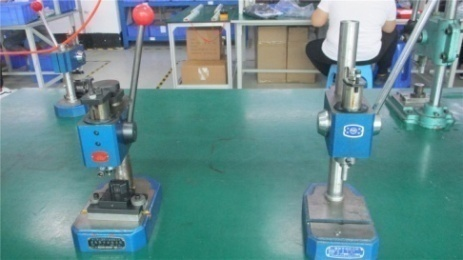
Pneumatic Pressing Machine
Manual Pressing Machine
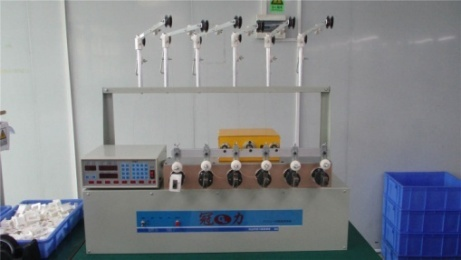
Computer Wire Winding Machine
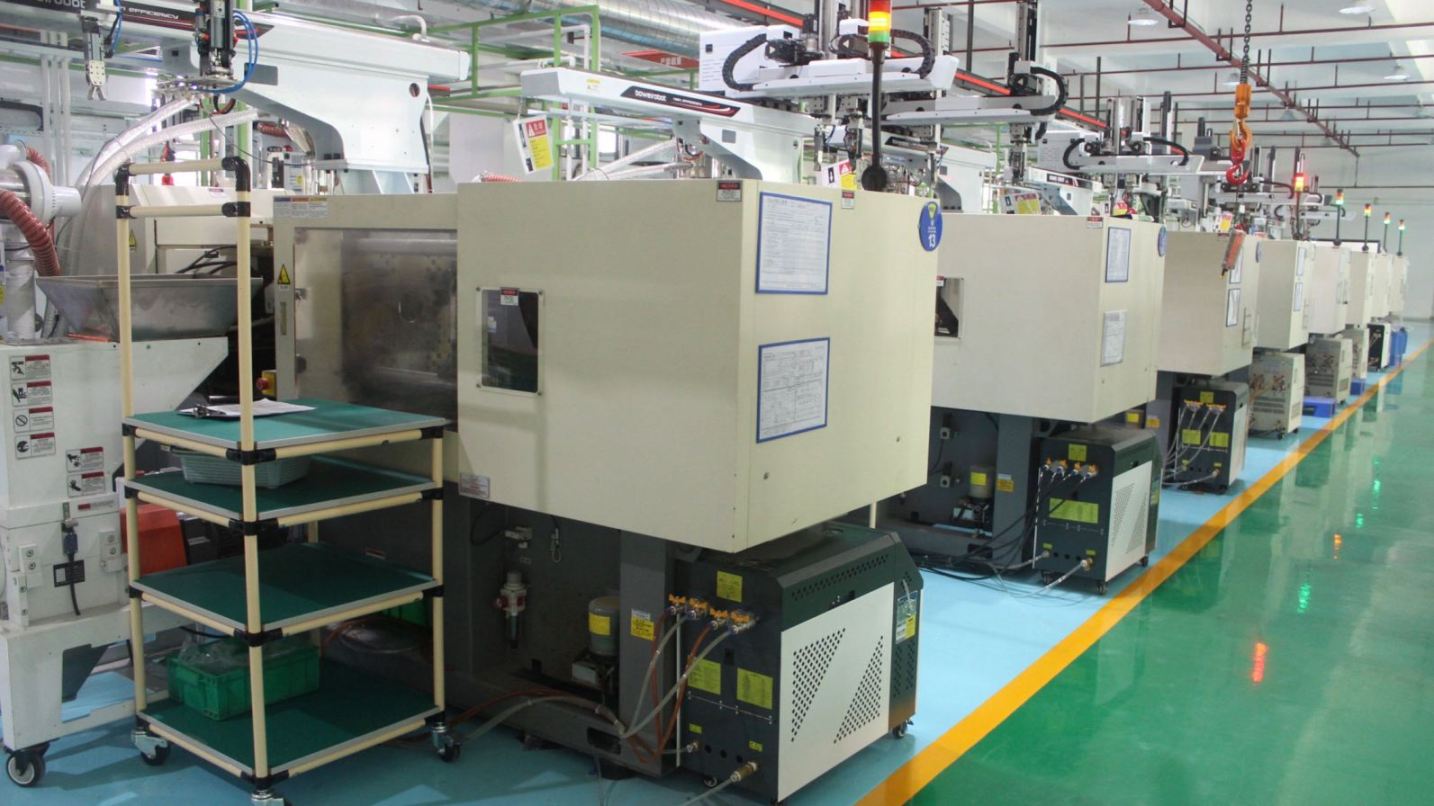
Injection Machine
Injection Machine
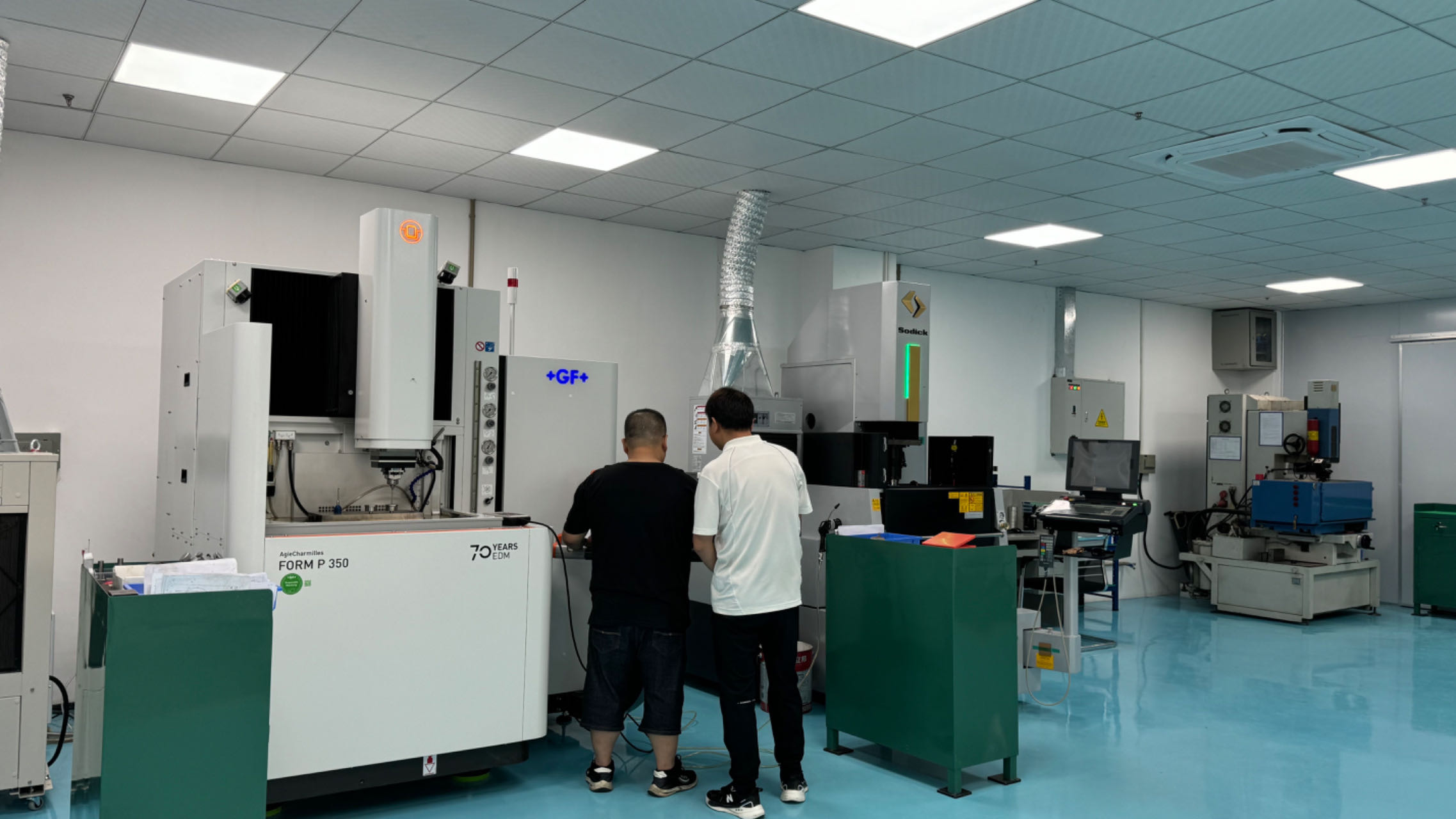
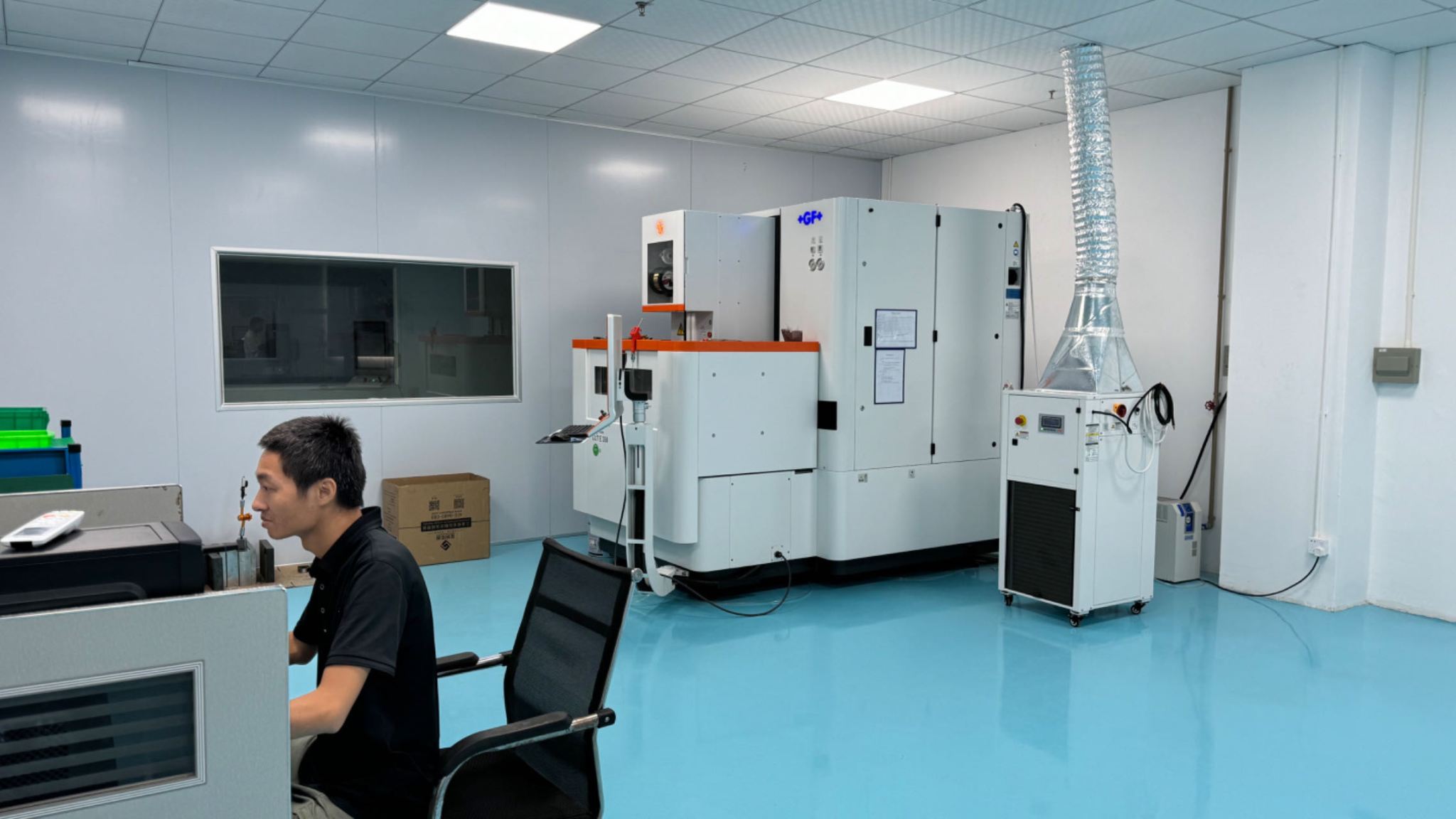
Slow-feeding NC wire-cut machine
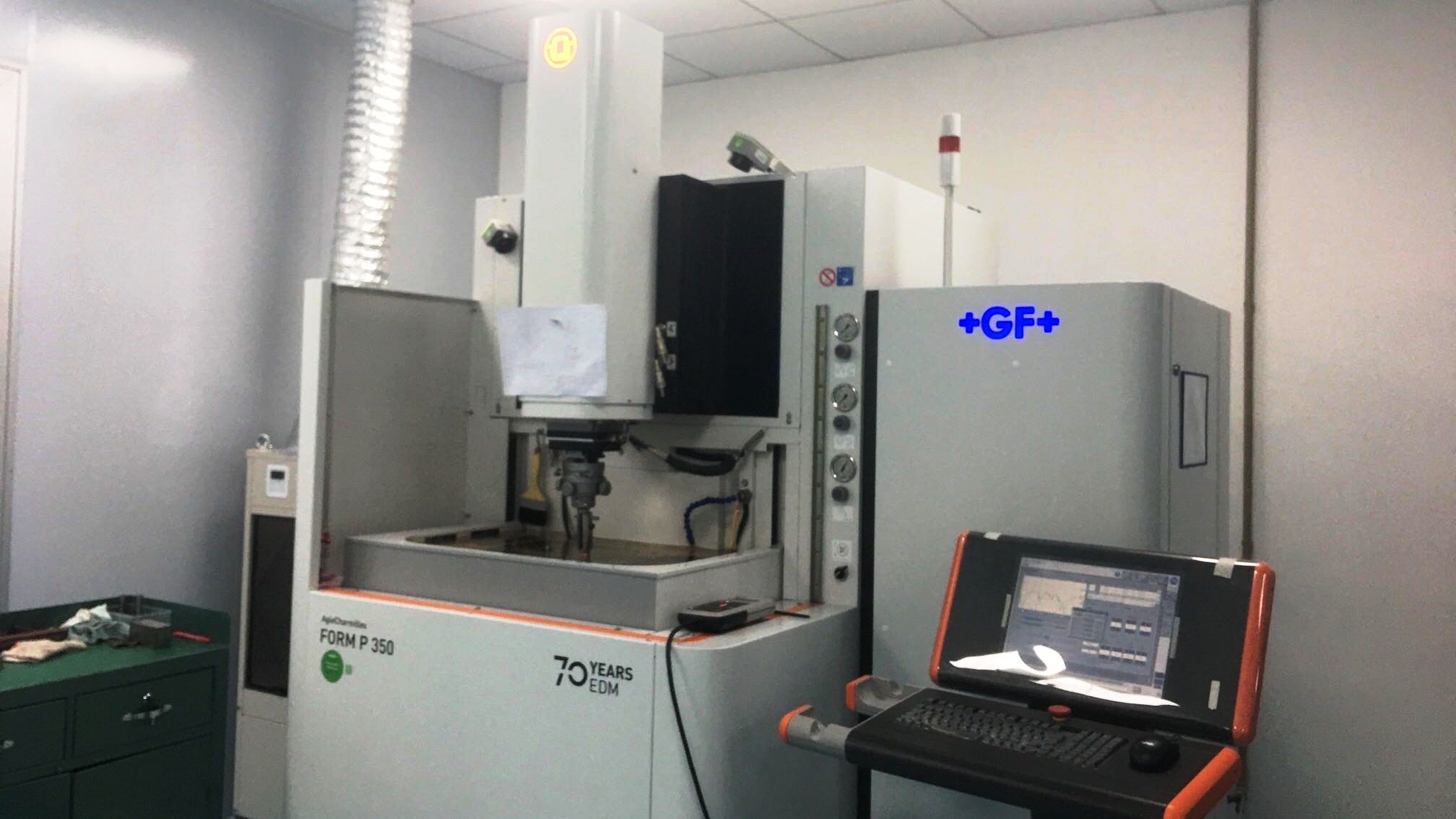
EDM Machine
EDM
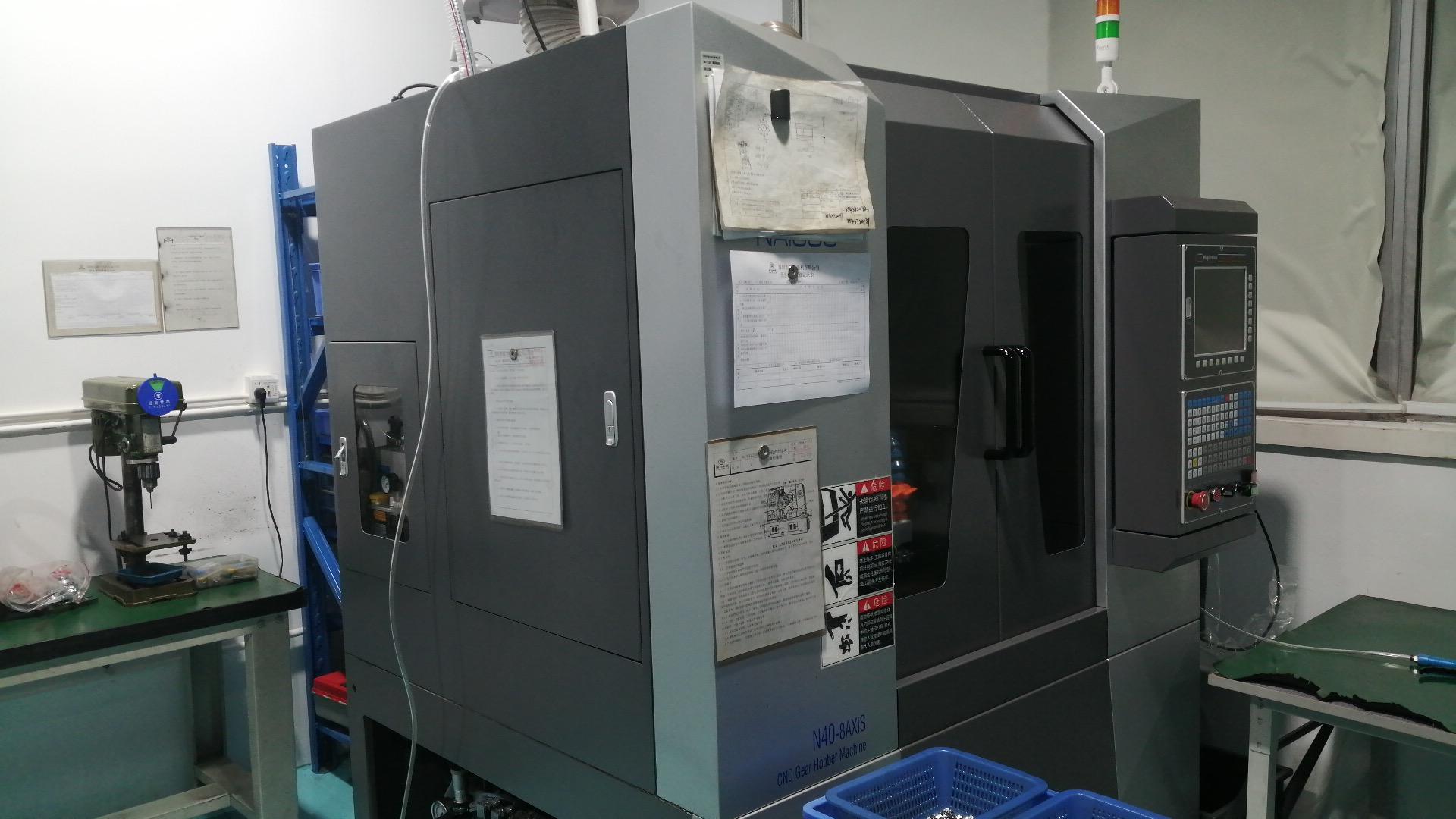
Hobbing Machine
Hobbing Machine
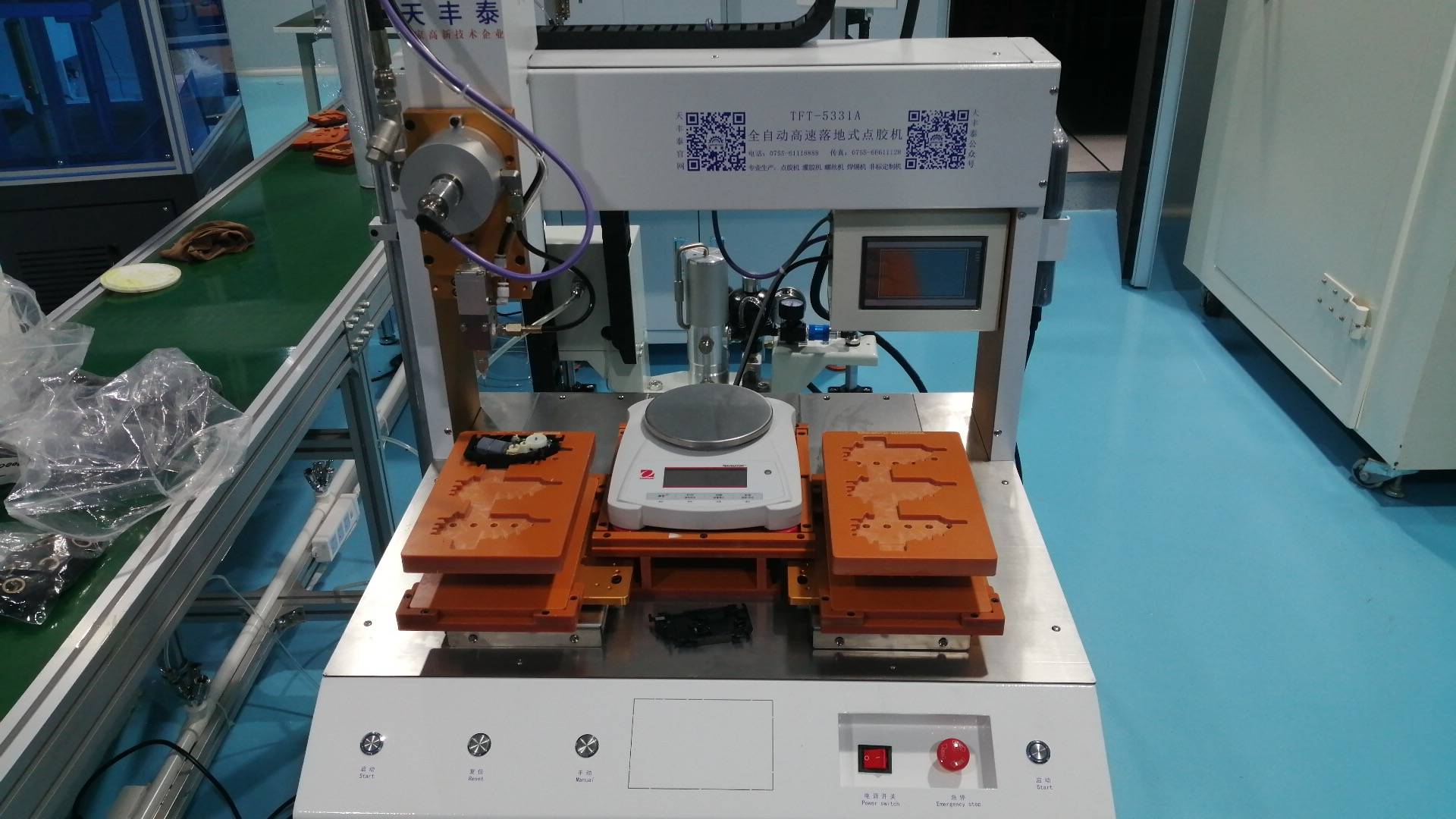
Automatic Glue Dispenser
Glue Dispenser
Quality Laboratory

Comprehensive Quality Testing & Metrology Equipment

Our laboratory contains advanced environmental chambers, dynamometers, and structural analyzers.
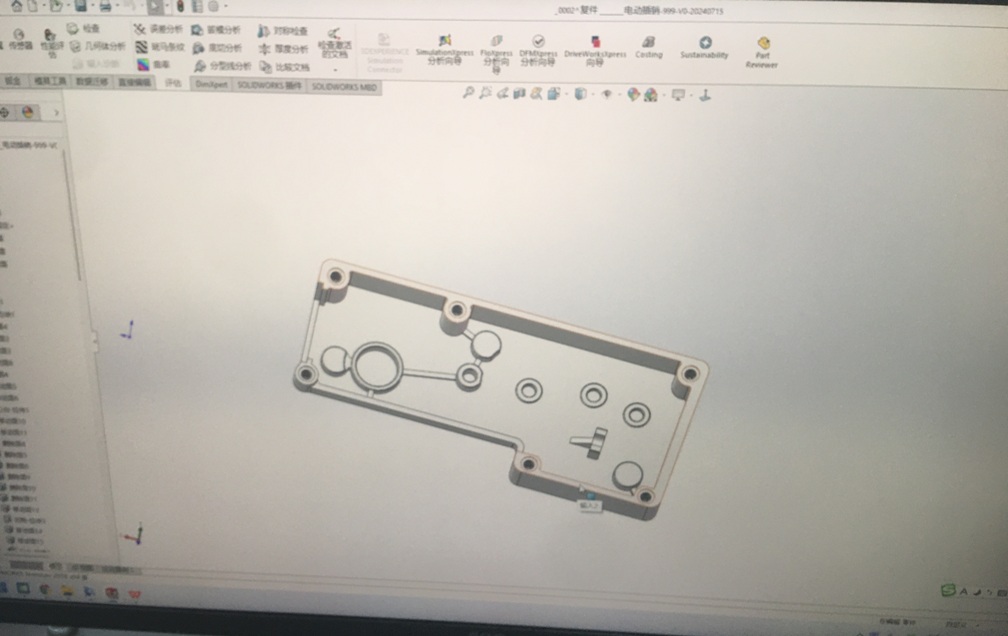
Product Mechanical Design Station
Design & Simulation
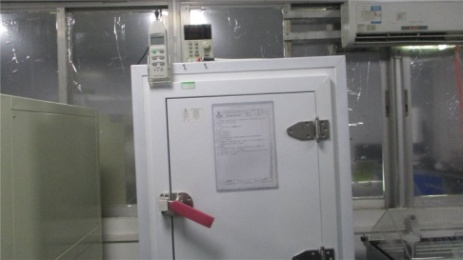
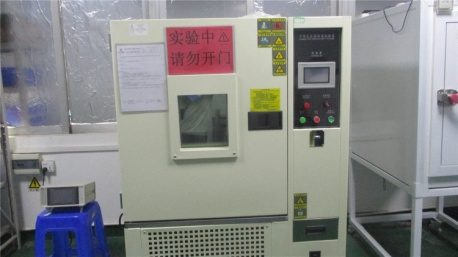
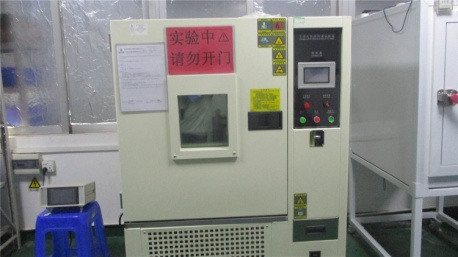
Programmable Constant Temperature & Humidity Chamber
Programmable Constant Temp/Humidity Testing
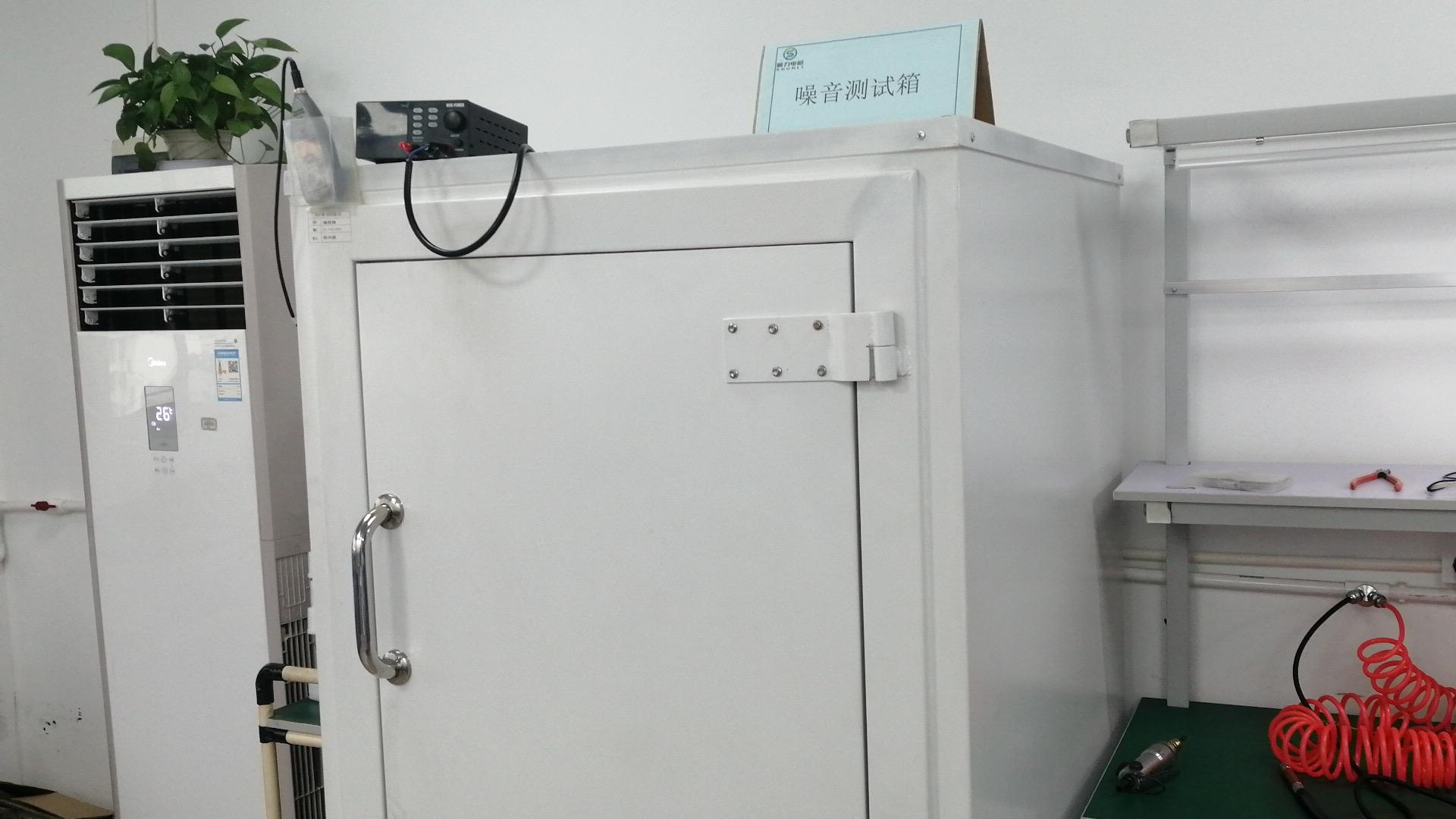
Acoustic Noise Testing Chamber
Noise Testing Chamber
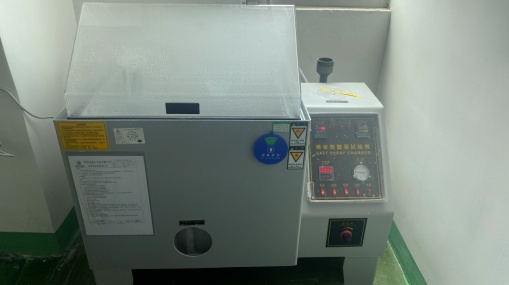
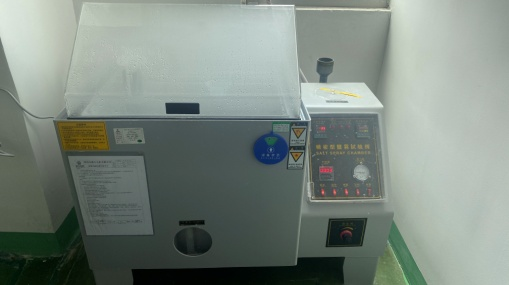
Salt Spray Corrosion Chamber
Salt Spray Testing Machine
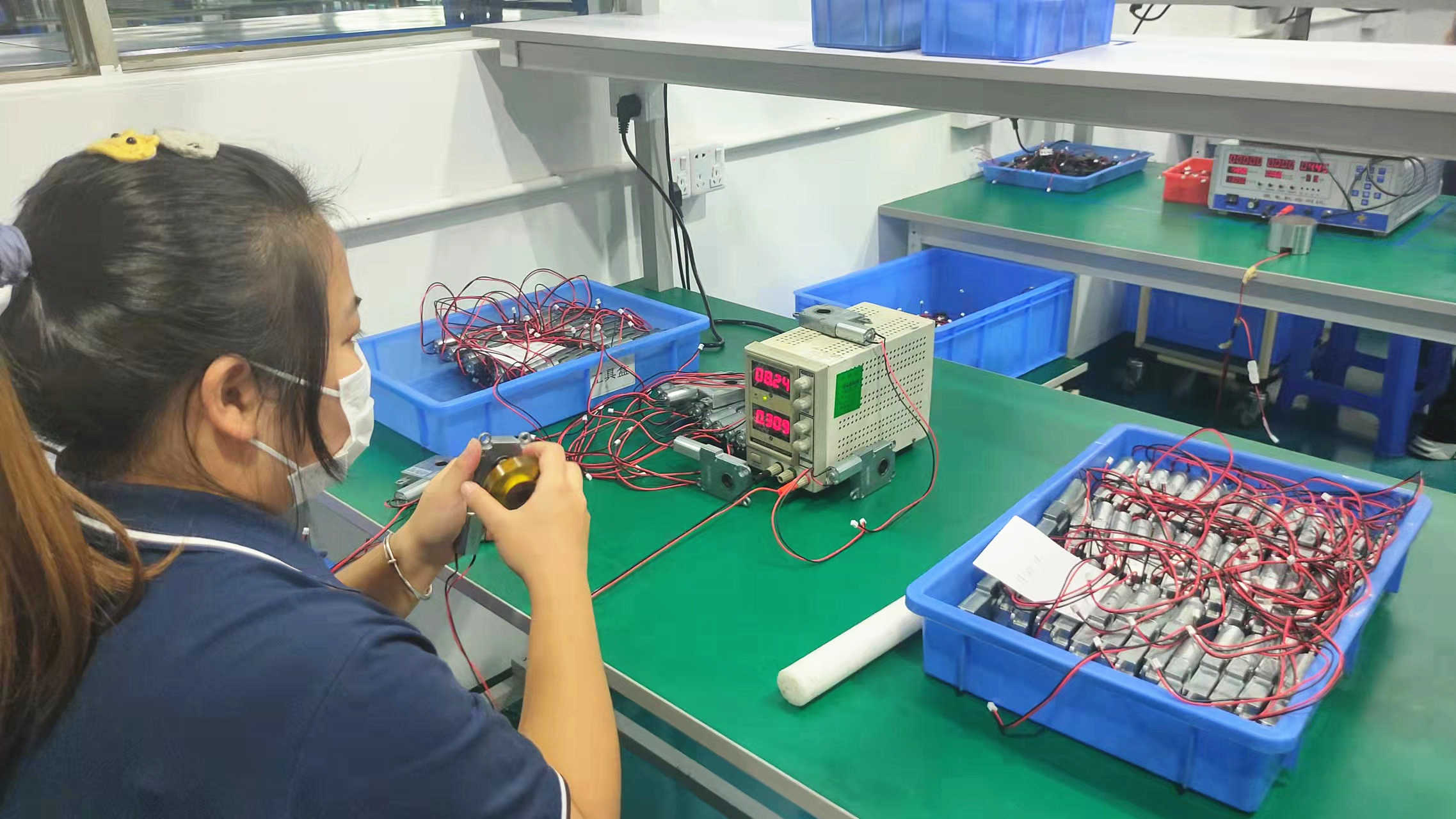
In-process QC check
QC Checking
Additional Constant Temp Lab Chamber
Programmable Temp & Humidity
Alternative Noise chamber testing
Noise Chamber
Salt Spray Testing Instrument
Salt Spray Testing
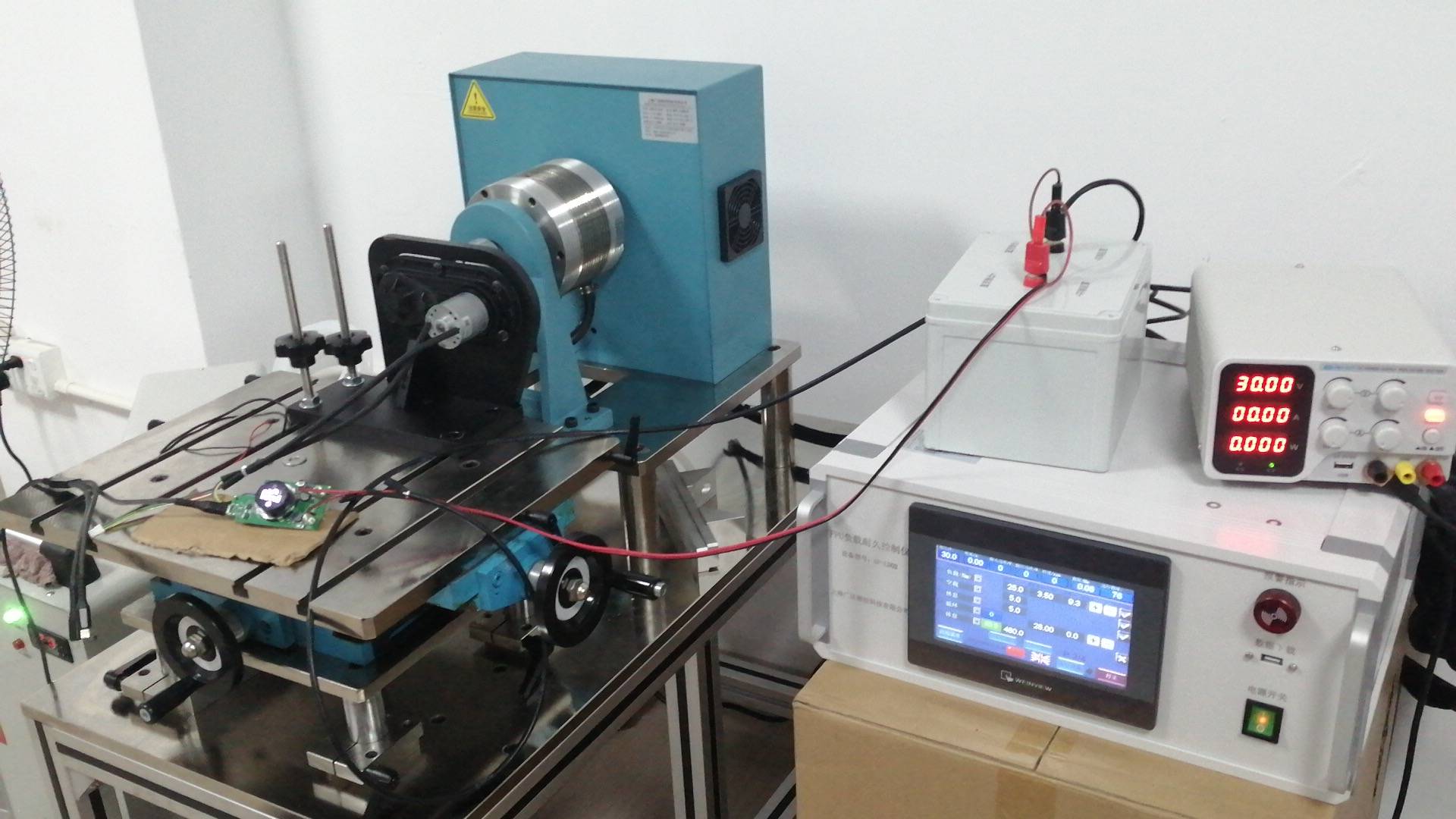
Dynamometer Machine for Motor Torque Verification
Dynamometer Machine
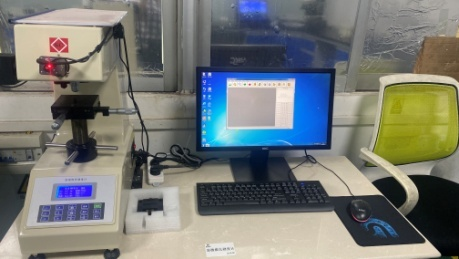
Metal Hardness Testing Unit
Hardness Tester
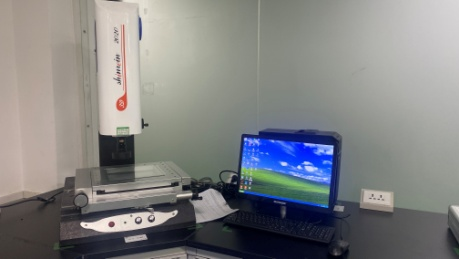
High-Definition Video Measuring Instrument
Video Measuring Instrument
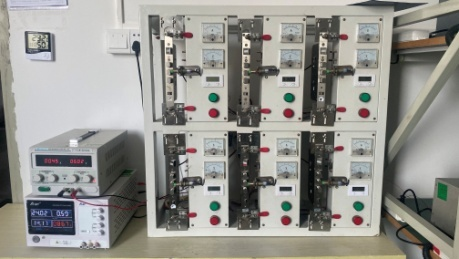
Long-Term Product Aging Shelf
Aging Shelf
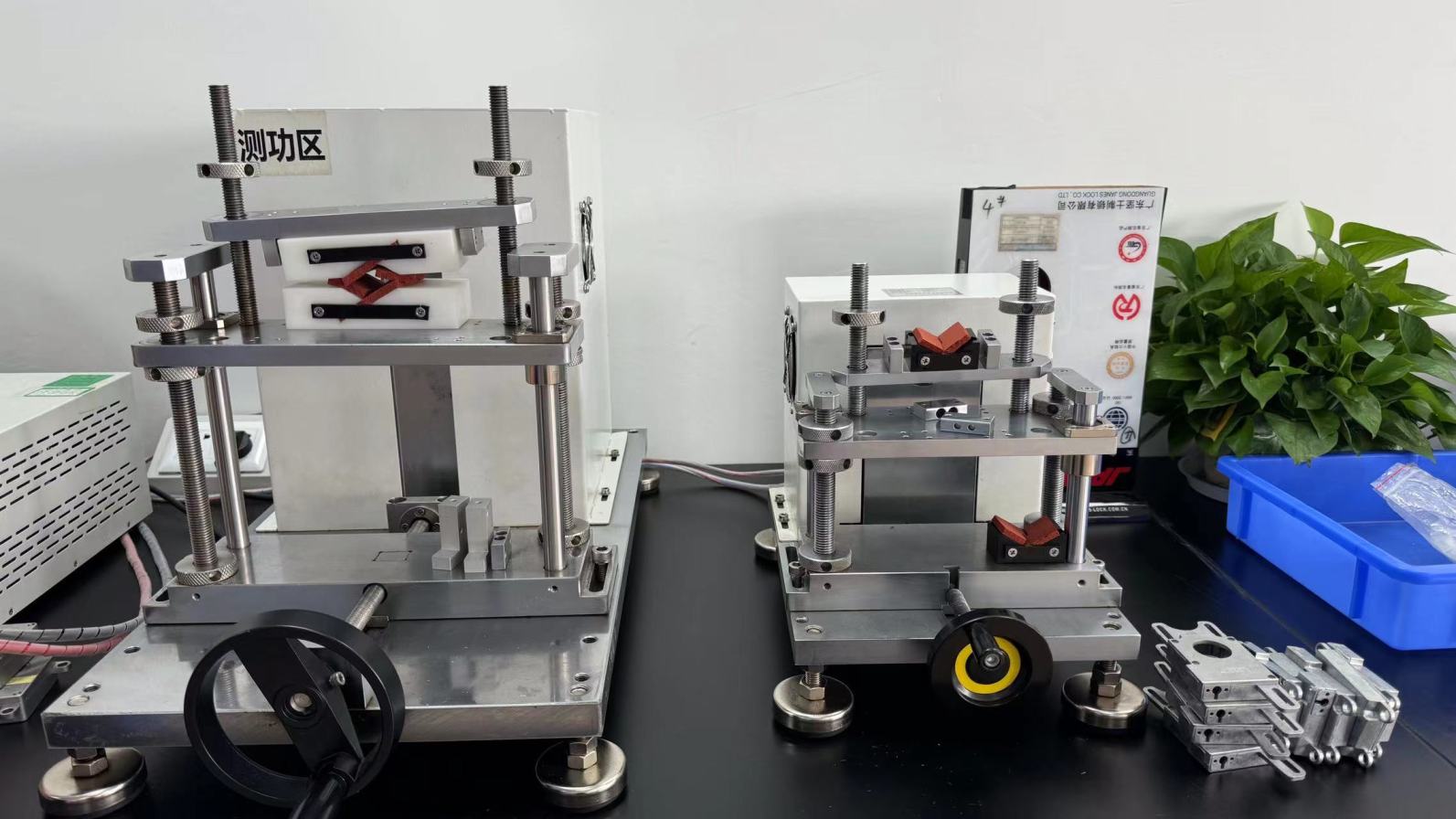
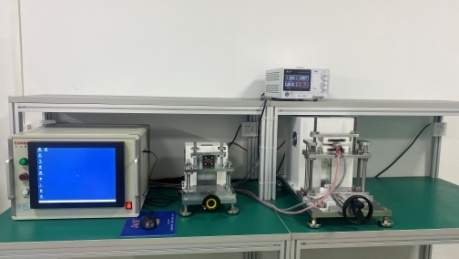
Integrated Motor Characteristics Testing Machine
Motor Testing Machine
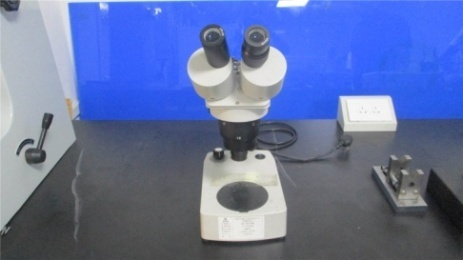
High Power Diagnostic Microscope
Microscope
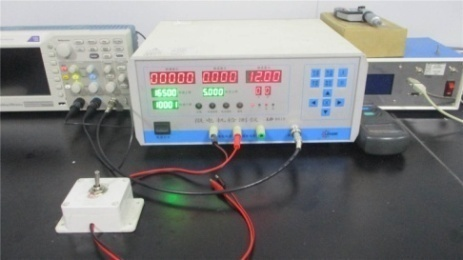
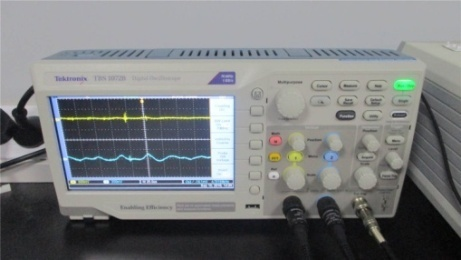
Digital Oscilloscope for Pulse Waveform Analysis
Digital Oscilloscope
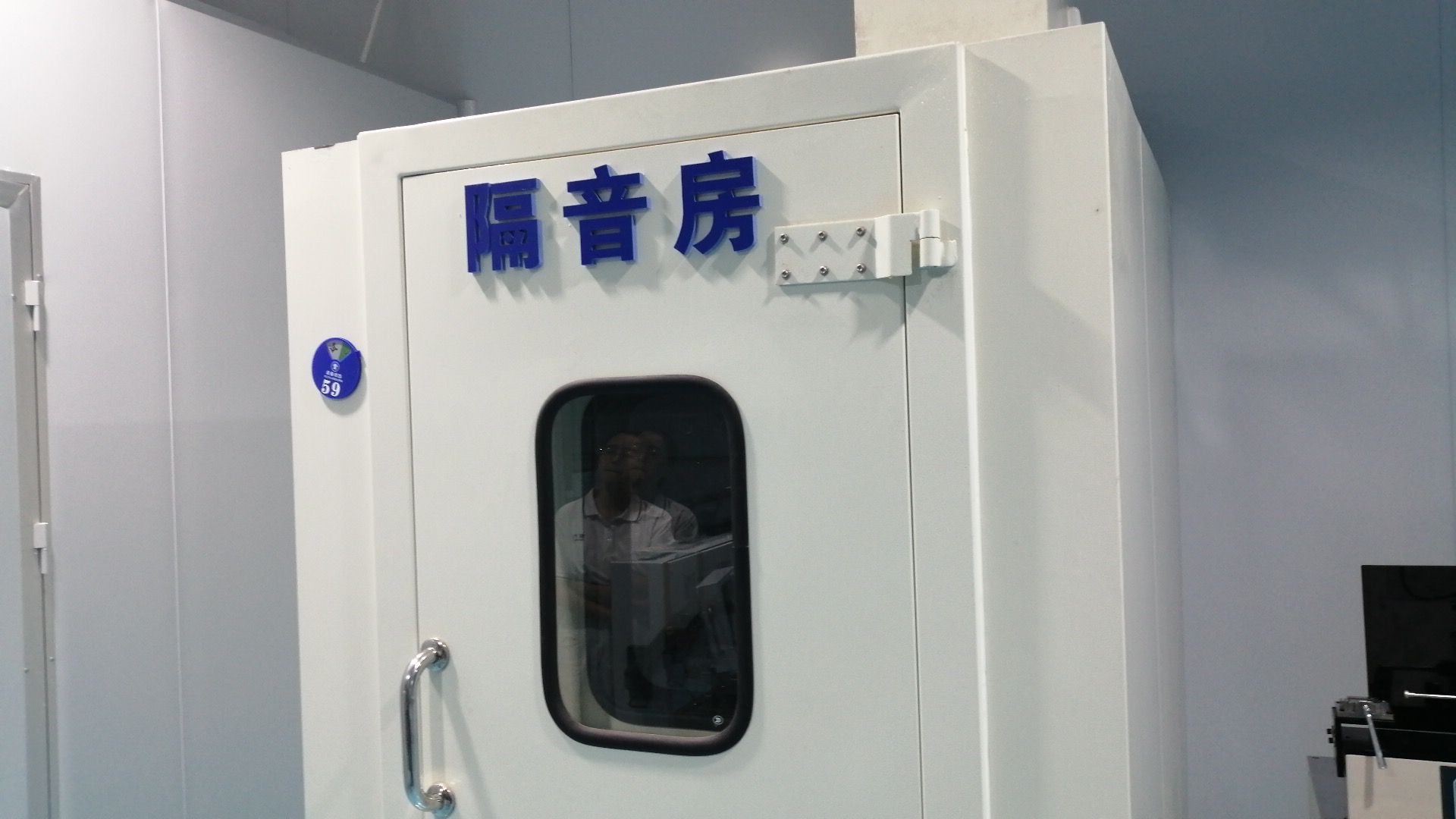
Fully Anechoic Soundproof Testing Room
Soundproof Room
Magnetic Powder Core Defect Testing Machine
Magnetic Powder Testing Machine
Application Engineering

Macro-Industry Solutions & Localized Case Scenarios

Custom engineering solutions tailored for target operations across various international landscapes.

Every application presents unique mechanical and electrical constraints. In North America, the integration of GMP36 planetary gearboxes with high-resolution magnetic encoders has facilitated the deployment of remote diagnostics tools inside surgical robots. The closed-loop control guarantees that surgical arms achieve sub-millimeter positional repeatability, mitigating the risk of drift during delicate medical procedures.
Meanwhile, in European warehouse automation hubs, our low-RPM, high-torque geared hub motors with encoders (12V/24V 100W) are widely integrated into autonomous sorting systems and active shuttle carts. The integrated encoder provides precise displacement feedback, allowing the drive system to calculate vehicle positions on variable-traction floor surfaces. Under these harsh parameters, our dynamic balancing system maintains low noise thresholds (< 40dB inside acoustic chambers), ensuring quiet operating environments inside large-scale distribution facilities.
Knowledge Base

Technical Q&A: Micro Motors with Encoders

Answering the primary technical questions of design engineers, integration specialists, and sourcing departments.

Q1: What is the main structural difference between magnetic and optical encoders in micro motors?
A1: Magnetic encoders utilize a magnetized disk attached to the motor shaft and Hall-effect sensors to register changes in magnetic field lines, producing digital square waves. They are highly resilient to dust, humidity, and mechanical shock. Optical encoders use a photo-emitter, an etched glass disc, and a photo-receiver to count light pulses. Optical encoders offer superior resolution but are susceptible to performance degradation from dust, condensation, and mechanical vibration.
Q2: How does the CPR (Counts Per Revolution) value translate through a reduction gearbox?
A2: The encoder is typically mounted on the high-speed rear shaft of the motor. The resolution at the output shaft is calculated as the base encoder resolution (CPR or PPR multiplied by 4 for quadrature decoding) multiplied by the gear reduction ratio of the gearbox. For example, a 16 CPR encoder paired with a 100:1 planetary gearbox yields 1,600 counts per revolution at the final output shaft, excluding mechanical backlash.
Q3: How does Taunton Motors resolve mechanical backlash inside planetary gearboxes?
A3: We apply precision Swiss-style horizontal hobbing and high-tolerance lathing to match internal sun gears, planetary carriers, and ring gears. By maintaining gear tooth shape errors under 3 microns and utilizing low-wear synthetic lubricants, we minimize tooth-to-tooth spacing errors, keeping backlash under 0.5 degrees for precision applications.
Q4: What parameters dictate whether a brush or brushless motor with an encoder should be specified?
A4: Brushed DC motors with encoders (such as our N20 or GM37 series) provide cost-effective control and simple drive electronics, ideal for intermittent or low-duty cycles (e.g., smart locks, valve actuators). Brushless DC motors (BLDC) with encoders are specified for continuous-duty applications requiring high torque density, long operational life, and minimal maintenance (e.g., AGV drive wheels, medical pumps).
Q5: How can electrical noise from the motor brushes be prevented from corrupting the encoder signals?
A5: We integrate internal EMC suppression components directly on the motor's brush card, including metal-oxide varistors (MOVs) and ceramic capacitors. Additionally, using shielded cabling, separate ground planes for the motor power and encoder power, and utilizing differential encoder signaling (RS422 line driver) reduces EMI in high-noise environments.
Q6: What input voltage options are standard for Taunton Motors encoder systems?
A6: Our standard micro drives operate at 5V, 6V, 12V, and 24V DC. The encoder circuitry typically requires a regulated 3.3V or 5V DC supply, separate from the primary motor driving voltage, to protect the logic chips from voltage spikes.
Q7: Can these miniature encoder motors be utilized in outdoor or high-moisture environments?
A7: Yes, by utilizing secondary potting on the encoder PCBs, sealing the encoder cap housings, and using special shaft seals, we can customize motors up to IP65 or IP67 ratings for exposure to weather, water spray, or chemical washdowns.
Q8: How does temperature change affect encoder performance?
A8: High operating temperatures can cause thermal expansion of magnetic disks or affect the output of the infrared LED in optical configurations. Our programmable constant temperature and humidity chambers allow us to validate our encoders across a standard range of -20°C to +85°C, ensuring stability.
All Motor with encoder Products