Taunton Motors Taunton Motors

How to Choose Ready to Ship Motors for Your Business Needs?

Time:2026-06-30 Author:Madeline
0%

In the competitive landscape of industrial automation, choosing the right "Ready to Ship Motors" can significantly impact business efficiency. According to Dr. Emily Johnson, an expert in motor technology, “Selecting the right motor is pivotal for operational success.” Her insight emphasizes the importance of understanding specific business needs before making a purchase.

Businesses vary widely in their requirements. The type of motor needed often depends on the application, speed, and load. Selecting the wrong "Ready to Ship Motors" can lead to operational inefficiencies and higher costs. It's crucial to ask the right questions: What is the motor's intended use? What are the power and torque requirements?

Additionally, the rapid pace of technological advancements adds complexity to this decision-making process. Companies must continually adapt to new developments. Therefore, leveraging expert consultations and detailed product specifications is essential. Balancing immediate availability with long-term performance is often a challenging endeavor. This decision can define the reliability of your operations in the long run. Exploring all these facets ensures that businesses choose the best motors for their unique applications.
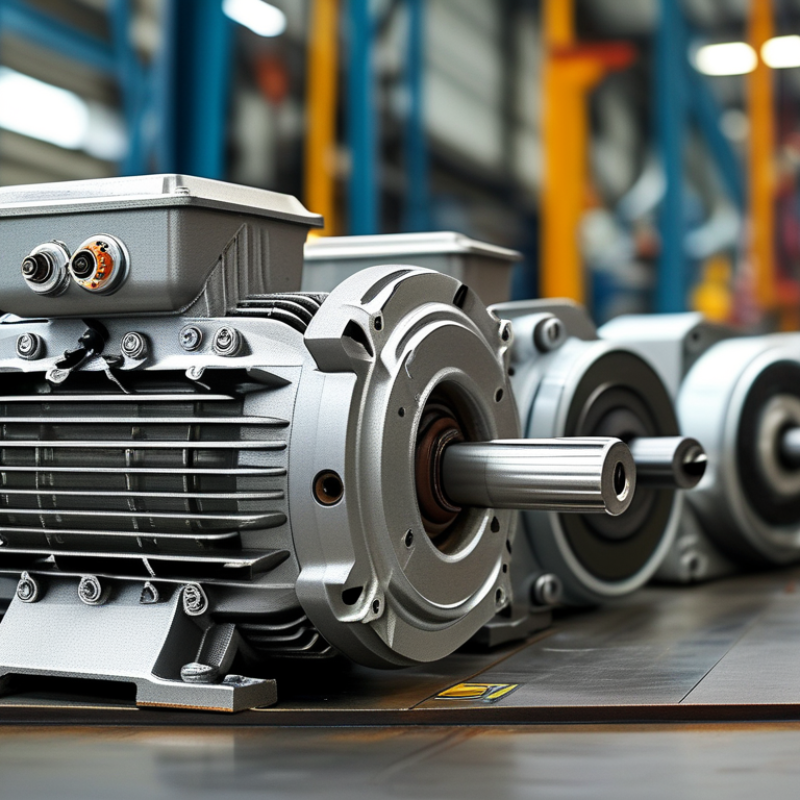
How to Choose Ready to Ship Motors for Your Business Needs?

Factors to Consider When Selecting Ready to Ship Motors

Choosing the right ready to ship motors for your business can be challenging. Various factors come into play, such as motor type, size, and power needs. It's crucial to align these factors with your application requirements. Think about durability and performance. The right motor should withstand demanding conditions. Some motors may look appealing but might not handle heavy loads as you expect.

Tips: Assess your specific application before making a choice. Consider how often the motor will be used. High-frequency operations may need more robust designs.

Another factor to think about is compatibility. Ensure the motor fits seamlessly into your existing system. Check voltage ratings, mounting configurations, and connection types. A mismatch can lead to inefficiencies and increased downtime.

Tips: Prioritize sourcing from reputable suppliers. Research customer reviews and product specifications. Reliability is key; a motor failure can disrupt operations. Remember, a cheaper option today may cost more in repairs later.

Types of Ready to Ship Motors and Their Applications

When selecting ready-to-ship motors, understanding their types and applications is essential. Different motors serve varied industrial needs. DC motors, for example, are widely used in robotics and automation. They offer precise control over speed and position. According to a recent industry report, the demand for DC motors is projected to grow at 6.5% annually over the next five years. This signals a robust shift towards automation in various sectors.

AC motors also play a significant role. They are commonly found in HVAC systems and industrial machinery. Their durability and efficiency make them a preferred choice for many businesses. Reports indicate that over 70% of industrial motors are AC, highlighting their importance in the market. However, selecting the right motor requires careful analysis. Businesses must consider factors like load, environment, and specific application requirements. Anecdotal evidence suggests that many companies overlook these aspects, leading to mismatched motor choices.

In the realm of stepper motors, they are crucial for applications needing high precision and repeatability. Used in CNC machines and 3D printers, their ability to control movement accurately is unmatched. A significant number of manufacturers face challenges in optimizing their motor selection, resulting in operational inefficiencies. Failure to address these factors can lead to increased energy costs and reduced productivity.

How to Choose Ready to Ship Motors for Your Business Needs? - Types of Ready to Ship Motors and Their Applications

Motor Type Power Rating (HP) Voltage (V) Application Efficiency Rating
AC Induction Motor 1.5 HP 230 V Pumps, Fans, Compressors IE3
DC Brushed Motor 0.5 HP 12 V Robotics, Hobby Projects N/A
Stepper Motor 1.0 HP 24 V 3D Printers, CNC Machines N/A
Brushless DC Motor 2.0 HP 48 V Electric Vehicles, Drones IE4

Evaluating the Performance Specifications of Motors

When choosing motors for your business, performance specifications matter immensely. Consider the motor's torque and speed. Torque is essential for the tasks at hand. Higher torque means better performance, especially for heavy loads. Speed, on the other hand, affects efficiency. A motor with the right speed will match your operational needs accurately.

Another crucial aspect is the power rating of the motor. This measurement indicates how much work it can perform effectively. Low power might save costs initially, but it can lead to inefficiencies over time. Evaluate the operating conditions as well. Motors exposed to extreme temperatures or dust may require specific types. Ensure the motor can withstand these conditions without frequent failures.

Don’t overlook the efficiency ratings either. An efficient motor saves energy, impacting long-term costs positively. But be cautious; higher efficiency may come with a higher initial price. Sometimes, it leads to a long payback period that doesn't suit every business. Therefore, weigh the initial investment against potential savings carefully. Making informed choices is essential for sustainable operations.

Understanding Budget Constraints and Cost-Effectiveness

Choosing the right ready-to-ship motors for your business is crucial. Understanding budget constraints can significantly affect your decisions. A recent industry report found that over 30% of companies faced cost overruns in motor procurement. It's essential to balance quality with price.

When evaluating options, consider the total cost of ownership. While a lower initial purchase price can attract interest, maintenance costs may increase your long-term expenses. For instance, high-efficiency motors may have a higher upfront cost, but they often reduce energy consumption by up to 20%, resulting in savings over time.

Tip: Consider lifecycle costing when making your choice. Analyze energy use, maintenance, and operational lifetime to ensure optimal investment.

Another point to consider is the supplier's reliability. Research their track record and customer feedback. A recent survey revealed that nearly 40% of businesses reported issues due to unreliable suppliers. Doing thorough background checks is vital, as it can prevent unexpected costs and downtime.

Tip: Ask for references or case studies from potential suppliers. This provides insights into their capabilities and reliability.

Where to Source Quality Ready to Ship Motors for Your Business

When sourcing quality ready-to-ship motors, it is essential to focus on where to find reliable products. According to a 2022 industry report, the global demand for electric motors is projected to reach nearly $200 billion by 2025. This remarkable growth highlights the increasing need for businesses to procure efficient motors quickly and effectively.

A good starting point is visiting industry trade shows and expos. These events present opportunities to connect with manufacturers and suppliers directly. One study indicates that 65% of companies find their most valuable suppliers at such gatherings. Building relationships in these settings can lead to better deals and insights into product quality. Furthermore, online platforms like marketplaces offer a wide variety of options. However, it’s crucial to verify the seller’s reputation, as not all suppliers provide reliable products.

Forums and industry communities also provide valuable insights. Engaging with peers can reveal personal experiences with specific suppliers. Research shows that referrals from trusted sources significantly impact purchasing decisions. Nonetheless, it’s wise to be cautious. Not every recommendation guarantees quality, and personal biases can exist. Always cross-reference with additional reviews and data before making a decision.

FAQS

: What factors should I consider when evaluating motors?

: Consider torque, speed, and power rating. These affect performance and efficiency.

Why is torque important for motors?

Higher torque improves performance, especially with heavy loads.

How does speed influence a motor's efficiency?

The right speed matches operational needs, enhancing overall efficiency.

What is the significance of the power rating?

It shows how much work a motor can effectively perform.

Should I prioritize initial cost or long-term savings?

Weigh initial costs against potential savings and efficiency benefits.

Why is efficiency rating important?

Efficient motors save energy, but the upfront cost may be higher.

How can I assess the reliability of a motor supplier?

Research their track record and customer feedback to avoid issues.

What are the risks of ignoring maintenance costs?

Low initial costs might mean higher long-term expenses due to maintenance.

How does extreme environment impact motor choice?

Motors in harsh conditions need specific types to avoid failures.

What is lifecycle costing and why is it important?

It analyzes all costs over time, ensuring you make a better investment.

Conclusion

When selecting Ready to Ship Motors for your business needs, it is essential to consider several key factors. These include the specific application requirements, the types of motors available, and their performance specifications. Understanding the different types of Ready to Ship Motors and their respective applications can help in making an informed decision that aligns with your operational goals.

Additionally, evaluating the cost-effectiveness and addressing budget constraints are crucial in ensuring that you choose the right motor without overspending. Finally, sourcing quality Ready to Ship Motors from reputable suppliers will guarantee reliability and performance, ultimately benefiting your business. By following these guidelines, you can confidently select the most suitable motors for your operations.

Madeline

Madeline

Madeline is a dedicated marketing professional with a wealth of expertise in our company's core offerings. With a keen understanding of the industry, she brings a unique perspective to her role, consistently delivering high-quality content that highlights the superior aspects of our products. As......