Taunton Motors
Mini Gear Motors have become increasingly popular in various engineering projects. Their compact design makes them ideal for tight spaces. This is especially useful in robotics and automation. When designing a device, choosing the right type of motor can significantly impact overall function.
Mini Gear Motors offer excellent torque and speed options. This versatility allows them to meet the requirements of diverse applications. However, it is essential to consider the specific needs of your project. Not all Mini Gear Motors are created equal. Some may not provide the necessary performance in demanding situations.
Reliability is another key factor. A quality Mini Gear Motor can enhance the longevity of your project. Selecting a motor from trusted manufacturers is crucial. You want to avoid low-quality options that could fail prematurely. This choice can save time and expenses in the long run. Understanding your project requirements will guide you toward the best Mini Gear Motor for your needs.
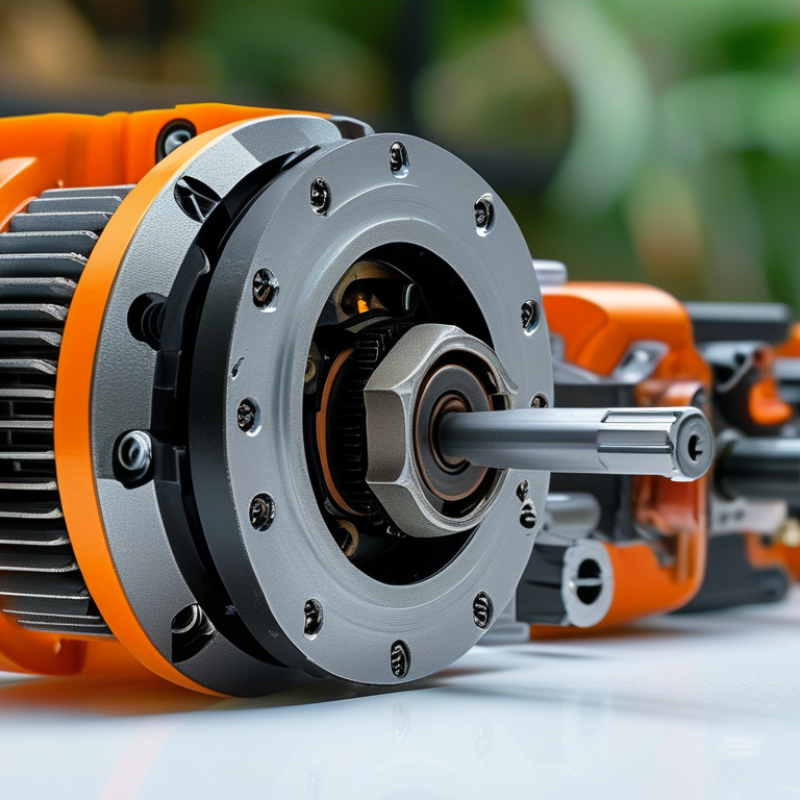
Mini gear motors have become increasingly popular in various applications due to their compact size and efficient performance. Many engineers favor them for projects requiring small footprint solutions. These motors are often used in robotics, automotive systems, and medical devices, where space and precision are critical.
One major advantage of mini gear motors is their ability to provide high torque at low speeds. This characteristic is essential in applications like conveyor systems or robotics, where power and control matter. Additionally, their lightweight design often allows for easy integration into existing systems. However, designers must consider the motor's limitations, such as potential overheating during extended use.
Selecting the right mini gear motor requires understanding your project's specific needs. For example, even small variations in gear ratio can greatly affect performance. Additionally, engineers should evaluate load requirements and operational environment. While mini gear motors offer numerous benefits, it’s vital to balance performance with reliability. Each application might reveal unexpected challenges.
When selecting mini gear motors for your project, consider several key features. The gear ratio is crucial. A higher ratio provides more torque but less speed. This balance is essential for achieving desired operational efficiency. Assess your project requirements carefully. If you’re focusing on precision, opt for motors with fine gear ratios.
The size and weight of the mini gear motor can impact your design. Ensure that the motor fits your space constraints without compromising performance. Compact motors often deliver impressive power despite their small size. Think about the available mounting options too. Compatibility with your existing components can save time and effort.
Think about the power source, too. Some mini gear motors operate on batteries, while others require direct AC power. Each has advantages depending on mobility and application. Experimenting with different configurations can yield surprising results.
Listen to your instincts when it comes to efficiency. Sometimes, a less powerful motor might work better than an over-engineered solution. Always validate your choices against real-world performance. Performance metrics matter, but user experience is invaluable. Explore feedback from peers or forums to avoid pitfalls commonly encountered in projects.
Mini gear motors offer distinct advantages when compared to traditional motors. Their compact size and high torque output make them ideal for projects with space constraints. While traditional motors provide brute power, mini gear motors shine in applications that require precision and control. Engineers often prefer mini gear motors for robotics and automation due to their ability to deliver consistent performance.
It’s important to evaluate the specific needs of your project. Mini gear motors are more efficient in many scenarios. However, they may not handle heavy loads as effectively as larger motors. Understanding the weight and size requirements of your project is vital.
Always consider the gear ratio in mini gear motors. A higher gear ratio translates to more torque but less speed. This can be a double-edged sword. If not configured correctly, your project may suffer from sluggish performance. Prototyping with different gear ratios can help pinpoint the right balance for optimal efficiency.
The chart compares Mini Gear Motors and Traditional Motors based on two key dimensions: efficiency and size. As shown, Mini Gear Motors exhibit greater efficiency, while being significantly smaller in size, making them a preferable choice for compact projects.
When working with mini gear motors, proper installation is crucial. Ensure the motor is mounted securely to minimize vibrations. Use screws or brackets that match the motor’s specifications. Align the motor shaft with the driven component accurately. Misalignment can lead to premature wear and inefficiency.
Routine maintenance is equally important for optimal performance. Regularly check for lubrication, especially in gear systems, to reduce friction. Inspect wiring for wear and ensure all connections are tight. Dust and debris can accumulate, so clean the motor's exterior and ventilation openings often. Keeping an eye on these details can prevent unexpected failures.
Sometimes, you may find the motor operates more loudly than usual. This could signal a need for immediate attention. Overheating might be another concern, indicating insufficient cooling. Regular maintenance checks will help catch these issues early. If problems persist, seeking expert advice may be necessary. Implementing these practices can significantly extend the motor's lifespan.
The field of mini gear motor technology is evolving rapidly. As industries demand more compact and efficient solutions, manufacturers are innovating with new designs. Future trends indicate a rise in smart gear motors. These devices integrate IoT, allowing for remote monitoring and control. This transformation can enhance automation processes significantly.
In robotics, mini gear motors are becoming crucial. Their application in smaller machines is increasing. They provide high torque in a limited space, perfect for intricate designs. However, not all designs achieve optimal performance. Engineers might face challenges in heat management and energy efficiency. Balancing these factors is essential.
Consider experimenting with various materials when selecting mini gear motors. The choice can impact durability and performance. Look for motors with customizable features to suit specific project needs. Regularly reviewing emerging technologies in this sector can also aid in making informed decisions. Staying updated will ensure your project remains competitive and efficient.
| Feature | Description | Applications | Future Trends |
|---|---|---|---|
| Compact Size | Mini gear motors are designed to be small and lightweight, making them ideal for space-constrained applications. | Robotics, drones, and portable devices. | Increased miniaturization and integration with smart technologies. |
| High Efficiency | These motors provide high torque with low power consumption, enhancing overall system efficiency. | Electric vehicles, automation, and home appliances. | Advancements in energy-efficient designs and materials. |
| Customizability | Mini gear motors can be customized for specific speed and torque requirements. | Manufacturing equipment and specialized tools. | Growing trend towards personalized solutions in various industries. |
| Durability | Mini gear motors are built to withstand harsh environments, ensuring a longer lifespan. | Industrial machinery and outdoor applications. | Enhanced materials and protective coatings for robustness. |
| Smart Integration | Enabled with sensors and smart controllers for better performance monitoring. | IoT applications and smart home devices. | Growing integration with IoT technologies for remote operation. |
: Focus on the gear ratio, size, weight, and power source. Higher gear ratios offer more torque but lower speed.
The motor must fit space constraints while delivering required performance. Compact models can still be powerful.
Some run on batteries, while others use AC power. Each type has its own advantages, depending on the application.
Sometimes, less powerful motors are sufficient. Validate choices based on real-world performance rather than specifications alone.
Mount the motor securely to reduce vibrations. Align the motor shaft precisely with the driven component.
It prevents unexpected failures. Check lubrication, wiring, and clean dust often to ensure longevity.
Loud operation or overheating can signal issues. Regular checks help catch problems before they escalate.
Check available mounting options and specifications of all parts. Compatibility can save time and effort in setup.
Yes, feedback can help avoid common pitfalls. Listening to experiences may lead to better project outcomes.
Seek expert advice on the issues. Sometimes, professional input can make a significant difference.
Mini gear motors are increasingly favored in various applications due to their compact size, efficiency, and versatility. They offer numerous benefits, such as high torque output in limited spaces, making them ideal for robotics, automotive, and consumer electronics. When selecting a Mini Gear Motor, key features to consider include gear reduction ratios, motor speed, and load capacity, ensuring optimal performance for specific applications.
In a comparative analysis, Mini Gear Motors are highlighted for their advantages over traditional motors, particularly in terms of size and energy efficiency. Moreover, proper installation and maintenance practices are essential for maximizing their lifespan and functionality. Looking ahead, future trends in Mini Gear Motor technology promise advances in materials and designs, paving the way for even broader applications and improved performance in various industries.
