Taunton Motors
When considering a Coreless DC Motor, global purchasers face unique challenges. Understanding the motor's specifications and applications is crucial. Coreless DC Motors are known for their efficiency and compact design. However, selecting the right one requires careful attention to detail.
Many factors influence the performance of a Coreless DC Motor. These include torque, speed, and size. Buyers must also consider their specific applications. The right choice can enhance product functionality. Yet, with numerous options available, making a decision can be overwhelming. Buyers may feel uncertain about their choices.
Additionally, it is essential to assess the supplier's credibility. A reliable manufacturer ensures quality and durability. Reading reviews and seeking expert advice is beneficial. However, the market is filled with varying opinions. Striking the right balance between features and cost is a constant dilemma. Ultimately, a thoughtful approach will lead to better purchasing decisions.
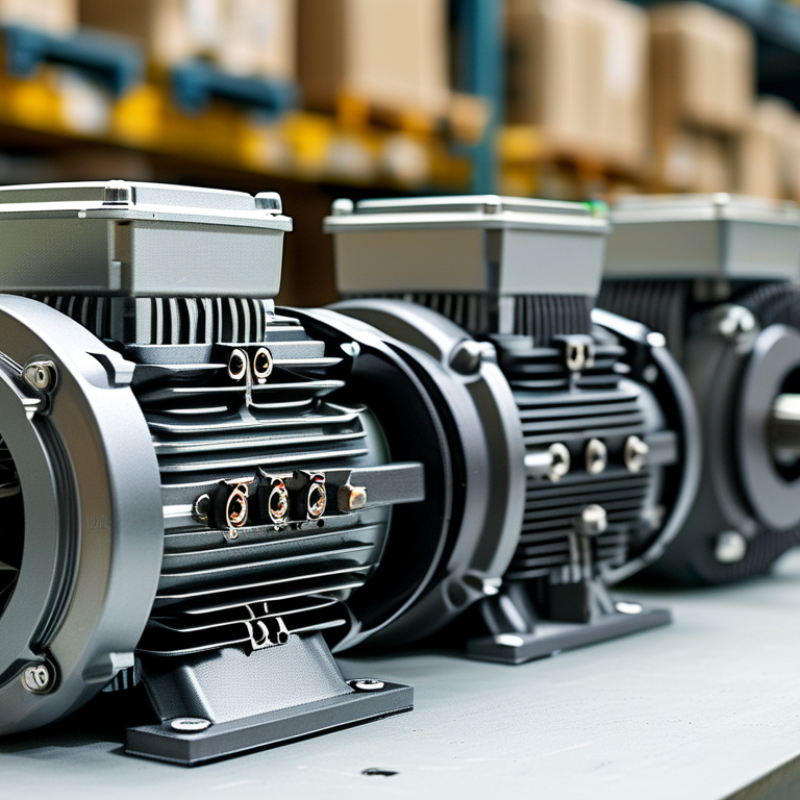
Coreless DC motors are versatile components used in various applications. They lack a traditional iron core, which allows for lighter weight and higher efficiency. This design leads to faster response times and improved torque-to-weight ratios. These motors are commonly found in robotics, medical devices, and precision instruments. Their compact size is essential in applications with limited space.
Understanding the types of coreless DC motors is key for effective selection. There are two main categories: brushless and brushed motors. Brushless motors offer higher efficiency and require less maintenance. They are especially suitable for continuous operation. Brushed motors, on the other hand, have simpler designs and are often more cost-effective. However, they may wear out faster.
When buying coreless DC motors, consider the specific needs of your project. Assess load requirements and performance standards. It's vital to evaluate the motor's operational environment. Conditions like temperature and humidity can impact performance. Remember, even slight miscalculations can lead to inefficiencies. Understanding these nuances is critical for making an informed decision.
When selecting coreless DC motors, key specifications play a vital role. One critical factor is the motor's voltage rating. Most coreless DC motors operate between 3V and 48V. Choosing the right voltage ensures optimal performance and efficiency.
Another important specification is the motor's RPM (revolutions per minute). Coreless motors typically range between 5,000 and 40,000 RPM. Higher RPMs allow for faster operation, but they may also lead to increased wear and tear. It’s essential to balance speed with durability based on your application’s needs.
Torque is equally significant. The torque rating influences the motor's ability to handle loads. A typical coreless motor can deliver torque ratings from 5g.cm to 300g.cm. Many purchasers overlook the impact of torque on system performance. Ignoring this can result in inadequate performance or motor failure. Pay attention to these specifications to ensure you make informed choices for your application.
When choosing a coreless DC motor, understanding torque is paramount. Torque measures the motor's ability to perform work. Higher torque translates to better performance in demanding applications. Evaluate your project requirements carefully. A motor with low torque may underperform, leading to frustration.
Speed is another critical factor. The ideal motor speed aligns with your application's needs. Too fast can lead to reduced control, while too slow may hinder efficiency. Finding the sweet spot requires thorough testing. Monitor how speed affects the overall operation. Sometimes a slower, more controlled setup proves more beneficial.
Efficiency metrics also play a significant role. A motor's efficiency impacts energy consumption and heat production. Look for motors that achieve higher efficiency ratings. This leads to lower operational costs and longer lifespans. Keep in mind, efficiency can vary across different loads. Consider real-world scenarios to ensure the motor meets your expectations. Reflect on these aspects to find the right coreless DC motor for your project.
This chart evaluates the performance factors of coreless DC motors, including torque, speed, and efficiency metrics. The data represents typical values to help global purchasers make informed decisions.
When considering coreless DC motors, the balance between cost and quality is crucial. Many buyers focus solely on price, which can lead to costly mistakes. A cheaper motor might save money initially but can result in reduced efficiency and lifespan. This affects long-term operational costs and reliability.
Quality coreless DC motors often utilize advanced materials and manufacturing techniques. These factors contribute to better performance characteristics. Higher-quality options may initially require a larger investment, but they typically offer improved torque, speed, and mechanical stability. In many applications, this enhanced performance is invaluable.
Potential purchasers should also consider the intended application of the motor. Different designs serve distinct purposes. Overlooking this could lead to the choice of an unsuitable product. A deeper understanding of specifications and requirements is essential to ensure optimal performance. It’s not just about spending less. It's about investing wisely for future reliability and efficiency.
When seeking reliable manufacturers for coreless DC motors, it's essential to prioritize experience and expertise. Look for suppliers with a strong track record in the industry. A reliable manufacturer should have years of experience in producing coreless motors and understanding market needs. This background often correlates with a better grasp of quality control and performance expectations.
It's critical to assess the manufacturer's certifications and compliance with international standards. This can indicate their commitment to quality. A supplier's ability to provide detailed technical specifications and testing data can enhance confidence. Engaging with them directly is beneficial. Ask specific questions about their production processes and quality assurance practices.
However, not all manufacturers will meet expectations. Occasionally, communication may lag. In such cases, reassessment of their responsiveness can be revealing. Supplier reliability is often reflected in how they address inquiries and feedback. Continuous improvement should be a shared goal. Ensuring alignment with your needs may require patience and ongoing dialogue with potential partners.
| Criteria | Details |
|---|---|
| Voltage Range | 3V - 12V |
| Current Rating | 500 mA to 3 A |
| Torque Range | 10 - 100 mNm |
| Efficiency | Up to 80% |
| Lifespan | > 5000 hours |
| Temperature Range | -20°C to +70°C |
| Application Areas | Robotics, Toys, Appliances |
| Customizability | Yes, upon request |
: Coreless DC motors typically operate between 3V and 48V. Choosing the correct voltage is crucial for performance.
RPM ranges from 5,000 to 40,000. Higher RPM offers speed but may increase wear over time.
Torque influences the motor’s load handling. Ratings range from 5g.cm to 300g.cm, affecting performance significantly.
Ideal speed matches application needs. Too fast can reduce control; too slow can hinder efficiency. Balance is key.
Efficiency affects energy use and heat. Higher efficiency means lower costs and longer lifespan. Check load variations.
Look for manufacturers with industry experience. Their track record often reflects quality and performance understanding.
Effective communication indicates reliability. If responses lag, it may be time to reassess their responsiveness.
Request detailed specifications and testing data. This information helps build confidence in their products.
Ignoring torque can lead to performance issues. Inadequate torque may frustrate users and affect your project.
Ongoing dialogue helps align your needs. Patience may be required to reach mutual understanding and goals.
When considering the purchase of Coreless DC Motors, it is essential to understand the various types available and their specific applications. This article outlines key specifications that should be evaluated, including torque, speed, and efficiency metrics, which play a crucial role in determining the motor's performance. Additionally, a comparative analysis of cost versus quality highlights the importance of balancing budget constraints with the need for reliable operation.
Furthermore, insights into selecting trustworthy manufacturers emphasize the significance of sourcing from reputable suppliers to ensure high-quality products. By following these guidelines, global purchasers can make informed decisions when investing in Coreless DC Motors, ultimately optimizing their applications while achieving the desired performance outcomes.