Taunton Motors
When it comes to selecting components for your project, the choice of a Plastic Gear Motor can significantly impact performance. These motors are designed for efficiency and reliability, making them an attractive option. Their lightweight materials reduce the overall weight of your assembly, which is beneficial for compact designs.
Plastic Gear Motors also offer flexibility in gear ratios and sizes, accommodating various applications. While other materials like metal can provide strength, plastic gears reduce noise and vibration during operation. This feature can enhance user experience, especially in consumer products.
However, it's essential to consider potential downsides. Plastic components may wear out faster under heavy loads. Users should assess their specific needs carefully. Finding the right balance is crucial. Understanding the strengths and weaknesses of Plastic Gear Motors can empower you to make an informed decision for your project.
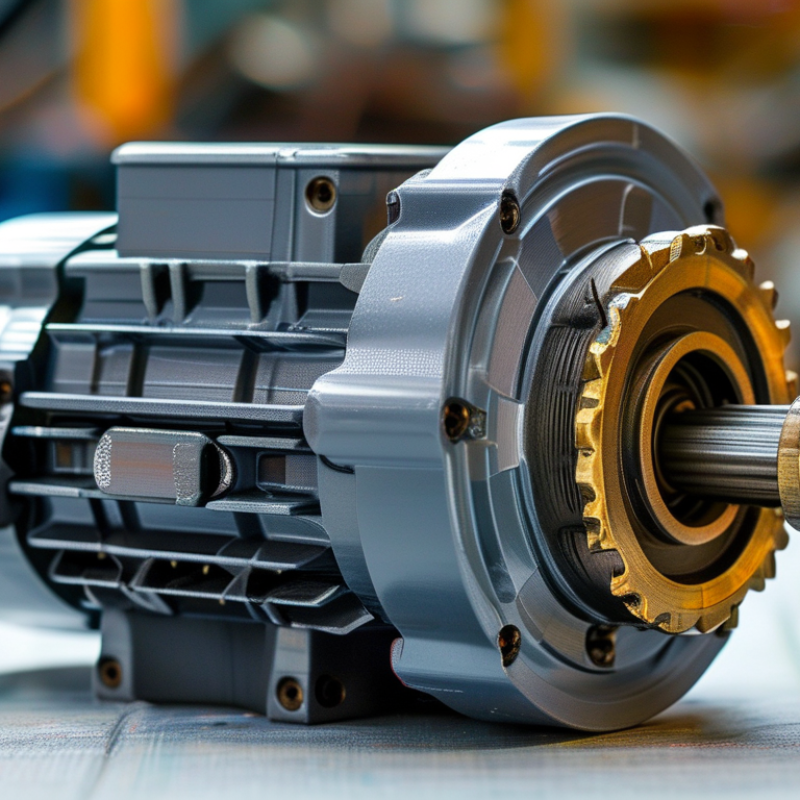
Plastic gear motors offer distinct advantages over traditional metal designs. One major benefit is their lightweight nature. This reduced weight can lead to efficiency in applications where every gram matters, such as in robotics. Additionally, plastic materials resist rust and corrosion. This makes them suitable for environments where exposure to moisture is a concern.
Another advantage is noise reduction. Plastic gear motors often operate more quietly than their metal counterparts. This can create a more pleasant user experience, especially in consumer products. Moreover, they are typically less expensive to manufacture. Lower production costs can translate to savings for project budgets.
However, it’s important to consider some limitations. Plastic gears may not handle high torque or heavy loads as well as metal ones. Over time, wear and tear can affect their durability. Engineers should weigh these factors when selecting materials for their specific needs. Careful analysis is crucial for achieving optimal performance.
Plastic gear motors offer significant cost advantages in various applications. A recent industry report highlights that manufacturers can reduce their machinery costs by up to 30% by opting for plastic gear motors instead of traditional metal counterparts. This decrease in expenditure makes them an appealing choice for businesses operating with tight budgets. The savings don’t just stem from lower material costs; the lightweight nature of plastic components often leads to reduced shipping and handling fees as well.
Additionally, plastic gear motors can simplify production processes. Many of these motors are designed to be easily fabricated and assembled. This flexibility can lead to a faster time-to-market, which is crucial for competitive industries. Some reports suggest that manufacturers can reduce assembly time by about 15%, which directly translates to labor cost savings. However, it’s still important to consider long-term durability. While plastic components may be cheaper, they could be more susceptible to wear and tear, requiring potential replacements sooner than metal options.
Investing in plastic gear motors requires careful evaluation. Analyze the specific application requirements and life cycle costs involved. Even though initial costs may be lower, the long-term performance of these motors must be fully understood. Decisions should be data-driven, ensuring that cost savings do not sacrifice essential durability and efficiency levels in the project's overall scope.
When designing a project, the choice of materials and components plays a crucial role. Plastic gear motors stand out for their lightweight and compact nature. This can significantly enhance design flexibility. With reduced weight, engineers can achieve better performance in applications where every gram matters. Compact dimensions allow for integration into smaller spaces. This is particularly valuable in robotics and consumer electronics.
However, there are considerations to keep in mind. While plastic gear motors offer many advantages, they may not provide the same load-bearing capacity as metal counterparts. For heavy-duty applications, this could be a limitation. Careful assessment of the project's requirements is essential. Balancing weight and strength can lead to more effective designs.
Incorporating plastic gear motors often requires innovative thinking. The design must accommodate specific power and torque needs. Experimenting with configurations can yield better results. It is important to remain open to adjustments based on testing outcomes. Ultimately, the benefits of lightweight and compact design can lead to impressive advancements in efficiency, performance, and usability.
Plastic gear motors are becoming increasingly popular for various applications, especially in harsh environments. One crucial factor is their corrosion resistance. Unlike traditional metal components, plastic gear motors can withstand moisture, chemicals, and other corrosive elements. This quality makes them ideal for industries such as food processing and waste management, where exposure to harsh conditions is frequent.
A study published by the Society of Plastics Engineers shows that plastic gear motors can maintain performance integrity even after prolonged exposure to corrosive substances. In fact, they demonstrate over 30% better resistance to rust and corrosion compared to their metal counterparts. This durability translates into lower maintenance costs and longer service life, essential for any project requiring reliability in challenging settings.
Despite these advantages, choosing plastic gear motors isn't without challenges. Designers must carefully consider load capacity and torque requirements. Some plastics may not handle heavy loads as effectively as metals. Additionally, temperatures beyond certain thresholds can affect their structural integrity. Therefore, a thorough analysis of project needs alongside material properties is vital to ensure optimal performance.
Plastic gear motors are becoming increasingly popular due to their operational advantages. One significant benefit is noise reduction. These motors are designed to run quietly, which enhances the user experience in various applications. Imagine a workplace where traditional motors create a constant hum. In contrast, plastic gear motors can significantly lower that noise level, making an environment more comfortable and focused.
Quieter operations are not just about comfort. They play a crucial role in applications like robotics and medical equipment. In these cases, a silent motor can make interactions smoother and less intrusive. Users might appreciate a motor that doesn't disrupt concentration. However, it’s essential to recognize that manufacturing processes can still lead to some variability in noise levels. The reduction in noise is impressive, yet occasional outliers may occur.
The construction of plastic gear motors contributes to this noise reduction. The materials absorb vibrations more effectively than metals. This absorption can result in less mechanical noise, benefiting sensitive applications. Nonetheless, users should remain aware that some plastic types may yield uneven sound performance. It is vital to evaluate the specifications before full implementation. The balance between noise reduction and realistic expectations allows for informed decision-making in project planning.
: Plastic gear motors are lightweight and resist rust and corrosion, making them ideal for many applications.
They operate more quietly, providing a better experience in consumer products.
Their corrosion resistance allows them to perform well in harsh environments, like food processing.
Yes, they are typically less expensive to manufacture, contributing to overall project savings.
They may struggle with high torque and heavy loads compared to traditional metal gears.
Studies show they can maintain integrity better than metals, showing over 30% resistance to corrosion.
Load capacity and torque requirements are crucial when choosing materials for their applications.
Yes, extreme temperatures can affect their structural integrity, requiring careful analysis.
It ensures optimal performance by matching material properties with project needs.
They can face wear and tear over time, which might affect their durability.
Plastic gear motors have emerged as a highly advantageous option for various projects due to their unique features. One of the most significant benefits is their cost-effectiveness, making them budget-friendly solutions that do not compromise on performance. Additionally, their lightweight and compact design enhances design flexibility, allowing engineers to create more innovative and efficient systems.
Furthermore, plastic gear motors offer excellent corrosion resistance, ensuring durability even in harsh environments, which is essential for longevity and reliability. Another notable aspect is their ability to reduce noise during operation, resulting in a quieter user experience. Overall, the combination of these advantages makes plastic gear motors a worthy consideration for any design or engineering project.
