Taunton Motors Taunton Motors

Top 5 Tips for Choosing the Right Stepper Gear Motor?

Time:2026-07-28 Author:Mason
0%

Choosing the right stepper gear motor can be a daunting task. According to industry expert Dr. Emily Roberts, "The right motor can significantly enhance precision and efficiency." This statement underscores the importance of making informed decisions in motor selection.

Stepper gear motors are widely used in various applications. They offer excellent torque and precise control. However, not all motors are created equal. Factors such as size, power requirements, and control systems can drastically influence performance. It’s essential to understand these details when selecting a stepper gear motor.

Many users overlook the critical specifications of a motor. They may focus on cost alone, which can lead to complications later. Without a clear understanding of the motor’s capabilities, projects can face delays. The goal is to ensure that the chosen stepper gear motor aligns with both current needs and future expansion.
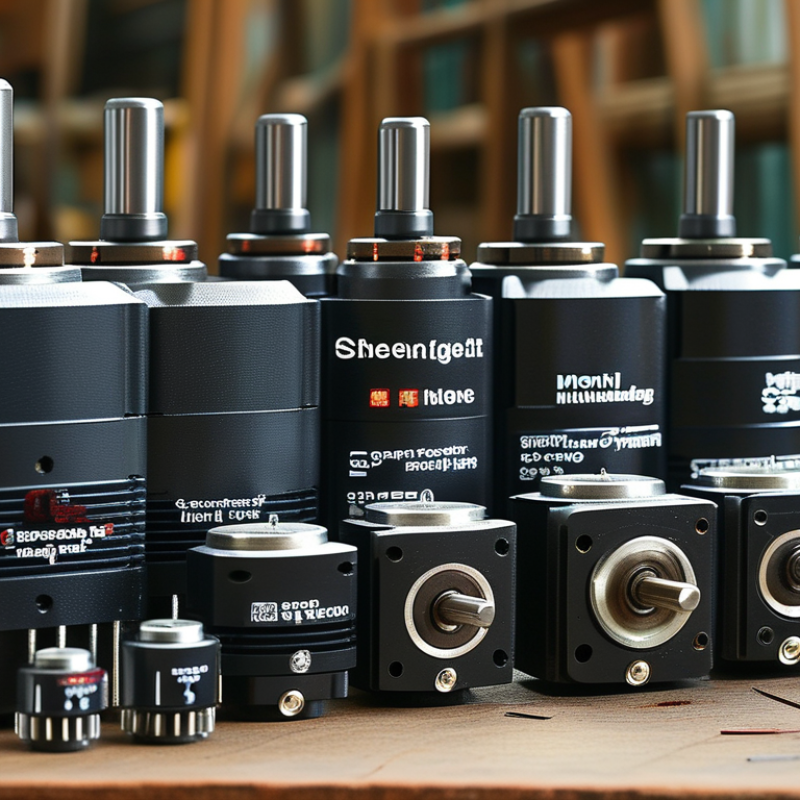
Top 5 Tips for Choosing the Right Stepper Gear Motor?

Understanding the Basics of Stepper Gear Motors

Stepper gear motors are crucial in various applications. Understanding their basics helps when selecting the right one. These motors combine the precision of stepper motors with the torque benefits of gears. This combination allows for accurate positioning and improved performance.

When choosing a stepper gear motor, consider your application’s requirements. Think about speed and torque demands. Assess if you need high precision or more power. This evaluation will shape your decision process significantly. Finding balance becomes challenging. Each project has unique needs, and there's no one-size-fits-all.

Understanding the motor's steps per revolution is important. More steps mean finer control, but it may limit speed. Also, evaluate gear ratio correctly. A higher ratio can increase torque, but it may decrease speed. Experimenting with different configurations can lead to unexpected results. Awareness of these factors guides better choices.

Identifying Your Application Requirements for Stepper Motors

When selecting a stepper motor, it's essential to identify your application requirements accurately. Start by understanding the type of movement needed. Will your project require precise positioning or simple rotational movement? Knowing this will guide your choice of motor specifications.

Next, consider the torque needed for your application. Different tasks demand different torque outputs. If your project involves lifting
heavy objects, for instance, you must ensure your motor can handle that load. If it doesn't, you'll risk stalling or damaging components.

Another aspect to address is the environmental conditions the motor will face. Will it be exposed to dust, moisture, or temperature extremes? If so, select a motor that is designed for those specific conditions. Lastly, take into account the control system you'll use. Compatibility with your existing hardware is crucial to ensure seamless integration. Thoughtful consideration of these factors can greatly influence your project's success.

Evaluating Torque and Speed Specifications for Performance

When selecting a stepper gear motor, torque and speed specifications are crucial. Torque determines the motor's ability to start, stop, and hold loads. Higher torque typically means better performance in heavy applications. It is essential to match torque with the requirements of your project to ensure efficiency. If the torque is too low, the motor might struggle, resulting in overheating or malfunction.

Speed is also important for optimal performance. A high-speed motor works well for applications that require fast movements. However, speed should not compromise torque output. Balancing both aspects often requires careful calculations. Testing different configurations can lead to better results. In some cases, users might overestimate their needs, only to find that the motor lacks adequate control at higher speeds.

It's vital to consider the application's nature. For instance, applications with frequent stops need motors with good torque at low speeds. Factors like inertia and load profile further complicate the selection. Reflection on your requirements will lead to informed decisions. Careful measurement and analysis can help avoid common pitfalls in the selection process.

Considering Size, Weight, and Compatibility Factors

When selecting a stepper gear motor, size and weight are critical factors. A motor that is too large can increase costs and complicate assembly. According to industry reports, motors account for about 60% of a system's operational footprint. Choosing a compact motor can streamline design and improve efficiency, particularly in applications requiring meticulous space management, like robotics and medical devices.

Weight considerations cannot be overstated. Lighter motors can enhance the performance of mobile systems. A study from the National Institute of Standards depicts that weight reductions of 10% can lead to a significant increase in energy efficiency. Designers should assess not only the mechanical specifications but also the thermal and electrical performance. Compatibility with existing systems must be evaluated meticulously.

Compatibility affects how well the motor integrates with other components. One poorly matched part can derail an entire project. It's essential to validate all specifications, including shaft dimensions and torque ratings. Reports show that issues stemming from compatibility lead to delays in 30% of engineering projects. This highlights the importance of detailed planning and thorough research when choosing the right stepper gear motor.

Analyzing Cost, Reliability, and Support Options When Choosing

Choosing the right stepper gear motor requires careful analysis of cost, reliability, and support options. Cost is a critical factor. Balance the price with the motor's performance specs. Sometimes, a cheaper option may compromise quality. Research shows that investing in reliable components often pays off in reduced downtime.

Reliability is paramount when selecting a motor. Review user experiences and reliability ratings. An unreliable motor can lead to unexpected failures. It's essential to consider the operating environment. Conditions like temperature and humidity may affect performance. Not all motors perform well under stress.

Support options are also vital. Check the manufacturer's customer service reputation. Accessibility to technical help can save time and resources. Consider a provider that offers good documentation and responsive support. Such factors can ease installation and troubleshooting. When you're faced with issues, having the right support makes a difference.

Lastly, remember that every choice has its complexities. Reflect on past experiences; they shape your decisions today. Each motor has strengths and weaknesses. Analyze these before finalizing your choice.

FAQS

: What are stepper gear motors used for?

: Stepper gear motors are used in various applications requiring accurate positioning and improved performance.

How does torque affect motor performance?

Torque determines a motor's ability to start and hold loads. Higher torque typically results in better performance.

Why is speed specification significant?

Speed is crucial for applications needing quick movements. However, it should not compromise torque output.

What should I consider when choosing a motor?

Consider your application's speed, torque demands, and whether you need high precision or more power.

How can gear ratio impact performance?

A higher gear ratio can increase torque but may decrease speed, affecting the motor’s overall performance.

Why is reliability important in motor selection?

An unreliable motor can cause failures and downtime. Assess user experiences and reliability ratings before choosing.

What role do support options play?

Good support options can ease installation and troubleshooting, saving time and resources during use.

How can I avoid common pitfalls in my selection process?

Carefully measure your project's needs and test different configurations to ensure your choice aligns with requirements.

Can a cheaper motor be a good choice?

Sometimes, a cheaper motor may compromise quality. Investing in reliable components often leads to long-term benefits.

Why should I reflect on past experiences?

Past experiences shape current decisions. Each motor has strengths and weaknesses that need careful consideration.

Conclusion

Choosing the right stepper gear motor involves several critical considerations to ensure optimal performance for your specific application. First, it's essential to understand the basics of stepper gear motors, including their operational principles and common uses. Once you have a foundation, you should identify your application requirements, such as load capacity and operational environment, which will guide your selection process.

Additionally, evaluating torque and speed specifications is vital for ensuring that the stepper gear motor meets your performance needs. Don't overlook size, weight, and compatibility factors, as these can affect installation and operational efficiency. Lastly, consider the cost, reliability, and the support options offered by manufacturers, as these factors will impact both your initial investment and long-term satisfaction with the stepper gear motor. By carefully analyzing these elements, you can make an informed decision that aligns with your project goals.

Mason

Mason

Mason is a seasoned marketing professional with a deep expertise in the company's offerings and a passion for driving brand awareness. With a strong background in digital marketing strategies, he has an innate ability to connect with diverse audiences and effectively communicate product benefits.......