Taunton Motors
The future of electric motors is bright, especially in 2026. The demand for "Top Sale Electric Motor" options is rising among industries. According to a McKinsey report, the electric motor market is expected to reach $166 billion by 2026. This growth reflects the increasing shift towards sustainable energy solutions. Industry expert Dr. Emily Carter states, “Innovation in electric motors is driving efficiency like never before.”
Companies are focusing on performance and energy efficiency. Customers now prioritize motors that provide durability and reliability. These factors play a crucial role in the choice of electric motors. The report from the International Energy Agency suggests that electric motors account for about 45% of global electricity consumption. This statistic highlights the need for high-performing electric motors.
However, not all options meet these emerging demands. There remains a gap in understanding the best choices. Many brands claim to offer the best performance, yet don’t deliver on efficiency. It's essential to critically examine these offerings. Identifying true top performers is challenging yet necessary for sustainable progress in this field.
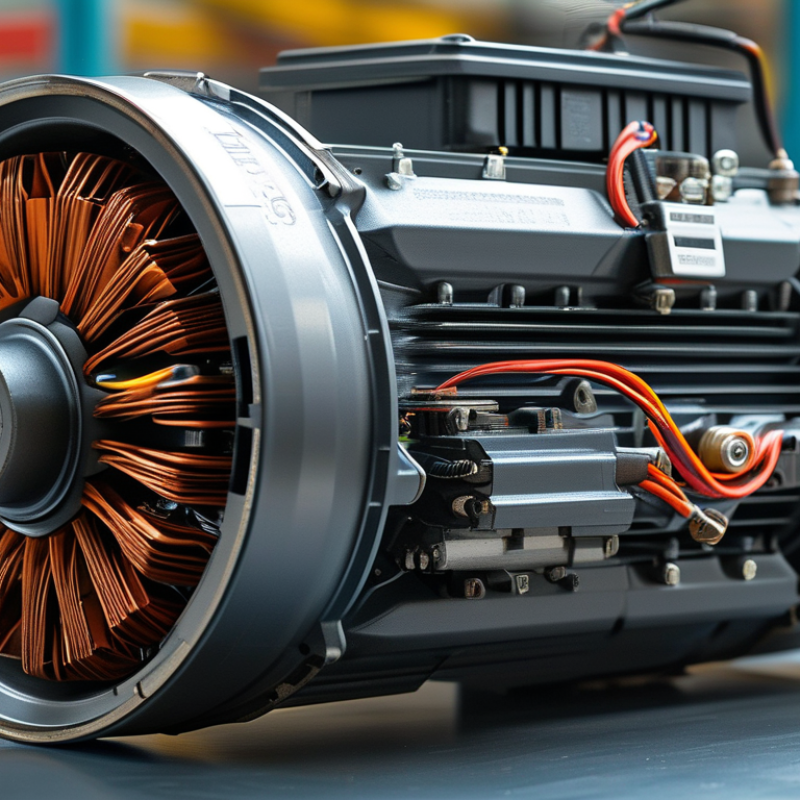
The electric motor market in 2026 is expected to witness transformative trends. Innovations in energy efficiency are leading the way. Manufacturers are now focusing on high-performance electric motors, which consume less energy while delivering more power. This focus reflects a growing demand for sustainable technologies in various industries.
Technological advancements are also shaping consumer preferences. Compact designs and lightweight materials are becoming common. These design changes not only enhance performance but also increase flexibility in applications. However, challenges remain. The transition to electric motors requires significant investment. Many companies struggle to balance immediate costs with long-term benefits.
As we look toward 2026, electric motors will likely play a pivotal role. The integration of smart technology could change operational dynamics. There is potential for discrepancies in consumer understanding of these advancements. Education will be crucial for maximizing the benefits of new technologies. Adapting to these trends will take time and effort from all stakeholders involved.
When selecting the best electric motor for performance, focus on key metrics: efficiency, torque, and speed. Efficiency indicates how well an electric motor converts electrical energy into mechanical energy. A higher efficiency rating translates into lower energy consumption, which is essential for cost-effectiveness and environmental impact.
Torque is another critical element. It determines an electric motor's ability to perform tasks, especially under heavy loads. High torque is vital for applications like electric vehicles and industrial machinery. However, achieving high torque often means sacrificing speed, leading to a delicate balance between the two metrics.
**Tip**: Consider your specific application when choosing a motor. If high torque is essential, ensure the motor can maintain adequate speed under load.
Motor speed defines how quickly tasks can be completed. A motor with optimal speed enhances productivity. Yet, it may lead to overheating if not managed properly. Always evaluate cooling system requirements based on the desired performance.
**Tip**: Look at different operational conditions and their impact on motor performance. Reflect on how varying speed requirements influence your operational costs. Adjusting speeds can be just as crucial as selecting the right motor.
| Model | Efficiency (%) | Torque (Nm) | Speed (RPM) | Power (kW) |
|---|---|---|---|---|
| EM-500 | 95 | 30 | 1800 | 15 |
| EM-600 | 92 | 50 | 1500 | 25 |
| EM-700 | 90 | 75 | 1200 | 35 |
| EM-800 | 93 | 60 | 1600 | 30 |
| EM-900 | 87 | 40 | 2000 | 20 |
When considering electric motors, understanding the differences between brushless and brushed technologies is crucial. Brushless motors have gained popularity due to their efficiency and longevity. They feature electronic controllers that reduce wear and tear. This design enhances performance in various applications like robotics and electric vehicles.
On the other hand, brushed motors are simpler and often less expensive. They rely on physical brushes to transfer electricity. This design can lead to increased maintenance needs and shorter lifespans. However, they deliver strong torque at lower speeds. This makes them suitable for certain low-cost applications.
Tips: When choosing a motor, consider the application. Brushless motors are ideal for demanding environments. Evaluate your budget and maintenance capabilities. Understanding your needs will guide your choice. Remember, not every motor suits every task. It’s essential to weigh the pros and cons based on your specific requirements.
The electric motor industry in 2026 is rapidly evolving. Leading manufacturers are pushing boundaries, focusing on efficiency and sustainability. Innovations in design and materials are key trends driving this market. Lightweight components and advanced technologies enhance performance while reducing energy consumption.
Companies are competing for market share fiercely. They are investing heavily in research and development. Electric motors now incorporate smart technologies, offering enhanced control and monitoring capabilities. This shift is not without challenges. Balancing cost, performance, and sustainability remains a complex task for manufacturers. There are instances where new technologies do not meet expectations, prompting a reconsideration of their approaches.
Quality assurance is a priority for many manufacturers. Rigorous testing and certification processes are in place to ensure reliability. However, some products still face issues related to long-term performance. In a marketplace that demands perfection, even minor flaws can impact reputation. Continuous improvement and adaptation remain essential for staying ahead in this competitive field.
The rise of electric motors presents both opportunities and challenges for sustainability. As their adoption increases, so does the focus on their environmental impact. According to the International Energy Agency, the use of electric motors accounts for nearly 45% of global electricity consumption. This places significant pressure on manufacturers to innovate while adhering to sustainability goals.
Regulatory frameworks are evolving. Many countries now impose stricter emissions standards on electric motor production. These standards aim to reduce carbon footprints and promote cleaner technologies. The European Union’s Ecodesign Directive, for example, mandates improved energy efficiency for motors by 2026. This will likely push industries towards more sustainable practices, but the transition is not without its difficulties.
The lifecycle impact of electric motors is another area to consider. From raw material extraction to end-of-life disposal, each stage poses environmental challenges. A report by the United Nations emphasizes that recycling rare earth materials is essential for minimizing waste. Yet, this process remains complex and underdeveloped in many regions. Therefore, there is a critical need for better recycling technologies to recover valuable components without harming the environment.
: The main metrics are efficiency, torque, and speed.
Higher efficiency means less energy consumption, reducing costs and environmental impact.
Torque indicates the motor's ability to handle heavy loads and perform tasks effectively.
Yes, achieving high torque can lead to a trade-off with speed.
Ensure the motor maintains adequate speed under load for your application.
Optimal speed allows tasks to be completed quickly, enhancing overall productivity.
The motor may overheat, affecting its performance and longevity.
Companies are using lightweight materials and smart technologies to improve efficiency and control.
Balancing cost, performance, and sustainability while meeting market demands can be difficult.
Even minor flaws can harm reputation, so rigorous testing is essential for reliability.
The "Top Sale Electric Motor for 2026: Best Performance Options" article provides an insightful overview of the electric motor market, highlighting key trends and expectations for the upcoming year. As industries increasingly seek efficiency, the focus will be on performance metrics such as torque, speed, and energy efficiency.
The article also delves into the differences between brushless and brushed motors, emphasizing their respective advantages in various applications. Furthermore, it examines the leading manufacturers in the electric motor sector, concentrating on market share and innovative advancements. Finally, the environmental impact of electric motors is explored, stressing the importance of sustainability and adherence to regulations, positioning the top sale electric motor as not only a performance-centric choice but also a responsible one for the future.
