Taunton Motors Taunton Motors

Why Choose Low Voltage Gear Motors for Global Sourcing?

Time:2026-09-26 Author:Mason
0%

A Low Voltage Gear Motor can help equipment makers balance controlled motion, practical installation, and dependable operation. In conveyors, packaging lines, and compact handling systems, a motor’s speed and torque affect more than production rates. They also shape noise, heat, and maintenance needs. Small details matter. A mounting pattern that matches the machine frame can reduce adaptation work. Clear voltage and duty-cycle specifications help buyers compare products across suppliers.

Global sourcing offers access to broader product ranges and manufacturing capabilities. It can also create gaps between a catalog specification and the conditions on a real production floor. Buyers should check rated voltage, gearbox ratio, output torque, protection rating, and operating cycle. They should also request dimensional drawings and confirm how performance data was tested. These steps make supplier discussions more useful. They do not remove every risk.

A reliable sourcing decision considers the complete application, not just the unit price. For example, a gear motor driving a loaded conveyor may need different torque margins from one used for intermittent positioning. Confirming sample performance, production consistency, packaging, and technical support can reveal issues before a larger order. Yet comparisons are not always tidy; suppliers may describe ratings differently, and test conditions can vary. That deserves a closer look. Careful questions, clear acceptance criteria, and realistic evaluation help buyers choose a Low Voltage Gear Motor suited to both the machine and the sourcing plan.
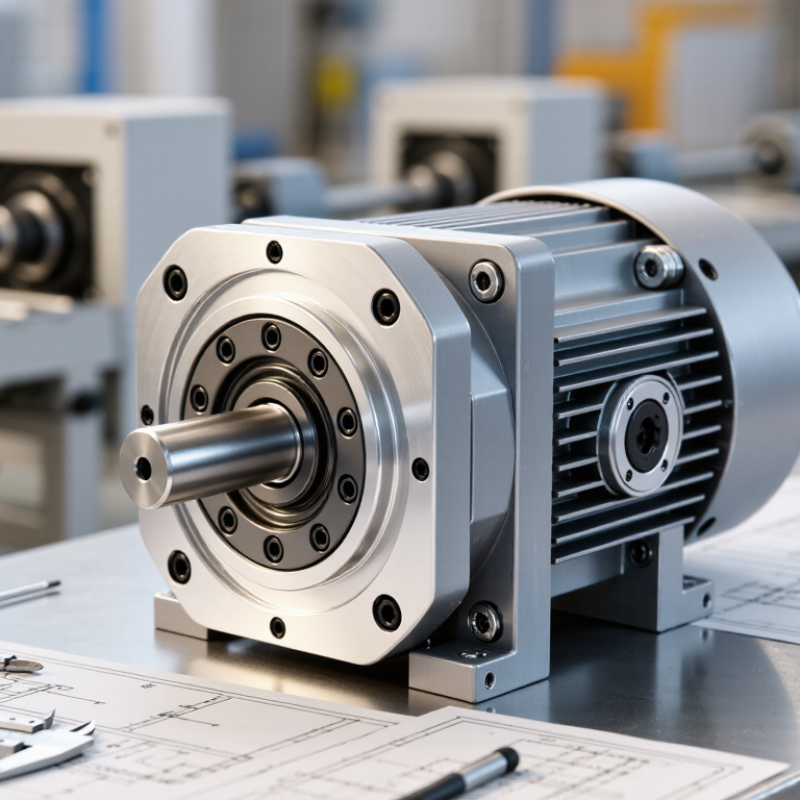
Why Choose Low Voltage Gear Motors for Global Sourcing?

What Are Low Voltage Gear Motors?

A low voltage gear motor combines an electric motor with a gearbox in one drive unit. The motor converts electrical energy into rotation; the gearbox reduces output speed and increases torque. “Low voltage” commonly refers to systems rated up to 1,000 volts AC, though the exact classification depends on the applicable standard and equipment specification.

In practice, the gearbox may use spur, helical, bevel, or worm gearing. Each design affects efficiency, noise, mounting, and the direction of the output shaft. Picture a conveyor moving cartons: the motor may spin quickly, while the gearbox delivers slower, steadier movement at the roller. Compact integration can simplify installation and alignment. Still, one size does not fit every duty.

Efficiency matters. The International Energy Agency’s 2011 report, Energy-Efficiency Policy Opportunities for Electric Motor-Driven Systems, estimates that motor-driven systems use about 46% of global electricity. That figure covers many types of motor systems, not gear motors alone. It does, however, show why matching speed, torque, and operating time deserves careful attention. A poorly matched gear ratio can waste energy. Real operating conditions are easy to underestimate.

Why Choose Low Voltage Gear Motors for Global Sourcing?

A gear motor combines an electric motor with a gearbox to deliver lower speed and higher output torque. For AC equipment, low voltage generally refers to systems up to 1,000 V. The chart shows examples of common nominal AC supply voltages; availability and local standards vary.

When sourcing internationally, confirm the motor nameplate voltage, frequency, phase, and wiring requirements match the installation. A suitable low voltage gear motor can simplify integration with local power systems, but the chart values are examples, not a guarantee of compatibility.

How Low Voltage Gear Motors Operate

A low-voltage gear motor combines an electric motor with a reduction gearbox. When electrical power energizes the motor windings, magnetic forces turn the rotor and output shaft. Meshing gears then reduce shaft speed and increase available torque. A higher reduction ratio usually produces slower output, though the result depends on motor design and load. A useful distinction. On a small packaging conveyor, steady belt movement may matter more than raw shaft speed. At startup, the motor must overcome friction and the inertia of the belt and its boxes.

The supply voltage affects the motor’s operating range, while a controller may regulate speed by adjusting voltage or switching power. Gear teeth transfer force, bearings support rotating shafts, and lubricant helps reduce friction. Too much load can raise current and temperature. That warning gets missed. A motor may keep turning while operating beyond its comfortable thermal range, which can shorten service life. Mounting alignment matters too: a slightly twisted bracket can add noise and wear. For sourcing, compare rated voltage, gear ratio, output torque, duty cycle, and ambient conditions with the actual machine. Catalog figures rarely tell the whole story. A sample test under representative load can reveal problems, though it cannot replace long-term operating data.

Key Benefits of Low Voltage Gear Motors

Low-voltage gear motors combine a motor and gearbox to deliver controlled speed and useful torque in one compact unit. They are commonly used in conveyors, packaging lines, pumps, and material-handling equipment. Their low-voltage supply can simplify integration with standard industrial control panels. Check the actual voltage, duty cycle, and drive compatibility before ordering; low voltage alone does not ensure a drop-in fit.

Efficiency depends on the whole drive system, not just the motor. The International Energy Agency’s Energy-Efficient Motor Systems report estimates that motor-driven systems account for about 45% of global electricity consumption. The U.S. Department of Energy’s 2014 Improving Motor and Drive System Performance sourcebook reports that motor systems use roughly 70% of industrial electricity in the United States. Small improvements matter. Correct gear ratios and motor sizing can reduce wasted energy, while undersizing may cause overheating or poor performance.

For global sourcing, standardized voltage options and integrated gearboxes can make specifications easier to compare across suppliers. Ask for rated torque, output speed, efficiency data, mounting dimensions, and allowable operating temperatures. A practical check: confirm the gearbox lubricant and service requirements for the intended environment. Specifications can look complete on paper, yet noise, heat, and frequent starts may change real-world performance. Test a sample under the actual load where possible.

Why Choose Low Voltage Gear Motors for Global Sourcing? – Key Benefits of Low Voltage Gear Motors

Benefit or Factor What It Means Why It Matters in Global Sourcing What to Verify
Reduced output speed with increased torque A gearbox reduces the motor’s output speed and can increase available output torque. Actual torque depends on the gear ratio, motor characteristics, and gearbox efficiency. One motor-and-gearbox assembly can provide a compact drive solution for conveyors, feeders, actuators, and other equipment requiring controlled, lower-speed motion. Confirm the required output speed, continuous and peak torque, duty cycle, and service factor.
Flexible power-source options Low-voltage gear motors are available in different electrical configurations, including DC and AC designs. The available voltage and frequency depend on the specific model. More configuration choices can help match a drive to local power systems, battery-powered equipment, or a machine’s existing electrical design. Check rated voltage, AC frequency or DC supply type, current, starting method, and compatibility with the control system.
Suitable for controlled-speed applications Depending on motor type and drive electronics, speed may be controlled through a compatible controller, inverter, or other motor drive. Speed adjustment can support different production rates and operating conditions without changing the mechanical transmission. Verify the permitted speed range, control method, feedback requirements, and whether the motor and drive are compatible.
Potentially simpler integration An integrated gear motor combines a motor and gearbox into one assembly, with mounting arrangements and output-shaft options that vary by design. A matched assembly may reduce separate component selection and simplify machine layout, installation, and replacement planning. Compare mounting dimensions, shaft type, rotation direction, terminal or connector arrangement, and available drawings.
Broad application range Gear motors are used in many light- and medium-duty systems, including small conveyors, packaging equipment, access mechanisms, and material-handling devices. Common application patterns can make it easier to define performance requirements and evaluate equivalent products from multiple suppliers. Assess load profile, starts per hour, shock loads, ambient temperature, ingress protection, and required operating life.
Electrical safety depends on the complete installation Lower operating voltage can reduce electric-shock risk compared with higher-voltage circuits, but it does not eliminate electrical, thermal, or mechanical hazards. Requirements for safe use, wiring, guarding, and product approvals can differ by destination market and application. Confirm applicable local regulations, required certifications, protective devices, grounding or isolation needs, and installation instructions.
Efficiency varies by configuration Overall efficiency depends on the motor, gearbox type, gear ratio, load, speed, and operating conditions. Gearbox losses mean output power is lower than input power. Comparing complete assemblies at the intended operating point helps avoid sourcing solely on headline motor ratings. Request efficiency or input-power data at the expected load and speed, and consider thermal limits and energy-use targets.
Specification-based supplier comparison Products should be compared by measurable electrical, mechanical, environmental, and performance requirements rather than by voltage alone. A clear specification helps assess technically equivalent options across suppliers and reduces the risk of mismatched replacements. Document rated power, output speed and torque, duty, mounting, dimensions, protection rating, tolerances, and required documentation.

Note: “Low voltage” specifications and available configurations vary by product and destination market. Confirm all ratings and compliance requirements against the specific motor, gearbox, drive, and intended application.

How to Select Motors for Global Sourcing

When selecting low-voltage gear motors for global sourcing, begin with the actual load, not a catalog headline. Record supply voltage, required output speed, starting torque, duty cycle, and mounting position. A small conveyor may run smoothly at no load but stall when cartons accumulate. Check the gear ratio and rated torque against that real operating condition.

Compare complete technical data sheets, and ask suppliers to clarify missing values. Confirm whether ratings apply to continuous or intermittent operation. Review insulation class, enclosure protection, allowable ambient temperature, gear backlash, and expected service life. Also check input frequency for AC models, or the power supply and connector requirements for DC models. A spreadsheet can make these choices look simpler than they are. It may not capture a warm enclosure or frequent starts.

For international orders, verify that documentation and product configurations match the destination market’s requirements. Request test records, dimensional drawings, spare-parts information, and realistic lead times. If possible, evaluate a sample under the intended voltage and load before placing a larger order. Measure temperature, noise, speed, and current after sustained operation. One detail is easy to miss: ask how performance changes near the motor’s operating limits, not just at its ideal test point.

Supplier, Compliance, and Quality Considerations

When sourcing low voltage gear motors across borders, evaluate the supplier’s process, not just the quoted price. Ask for motor drawings, gear ratios, rated voltage, duty cycle, and thermal limits. A reliable supplier can explain how these values were tested and provide traceable lot records. Request samples made with production tooling, not specially prepared prototypes. Small details matter.

Compliance depends on the destination and the finished motor assembly. Confirm applicable electrical safety, electromagnetic compatibility, and material documentation before approving a purchase order. Check that certificates cover the exact model, voltage range, and accessories; paperwork for a similar unit may not be enough. Keep labels, manuals, and test reports aligned. Paperwork can drift.

Quality checks should reflect actual use. Run motors under expected load and ambient temperature, then record current, noise, gearbox backlash, and case temperature. Agree on sampling rules, defect limits, corrective-action timing, and packaging tests in writing. Review how the supplier controls changes to magnets, bearings, or lubricants. Incoming inspection cannot replace process control. Leave room to revise specifications when field data exposes a mistaken assumption.

FAQS

What is a low-voltage gear motor?

It combines an electric motor and gearbox in one drive unit. The motor creates rotation; the gearbox lowers speed and raises torque.

What does “low voltage” usually mean?

It commonly refers to systems rated up to 1,000 volts AC. Exact limits depend on the relevant standard and equipment specifications.

How does the gearbox change motion?

Meshing gears reduce shaft speed and provide more torque. A conveyor roller may turn slowly while cartons move steadily. That is the practical idea.

Which gearbox types are commonly used?

Designs include spur, helical, bevel, and worm gears. They differ in efficiency, noise, mounting needs, and output-shaft direction.

What details should be checked when choosing a gear motor?

Compare rated voltage, gear ratio, output torque, duty cycle, and ambient conditions with the machine’s real requirements. Catalog figures can miss things.

Why can startup demand more power?

The motor must overcome friction and the inertia of the moving parts. A loaded belt with boxes may need more effort than an empty one.

Can a motor be overloaded while still turning?

Yes. Excessive load can increase current and temperature, even when the shaft keeps moving. That can shorten service life.

Why does mounting alignment matter?

A twisted bracket can create extra noise and wear. Small misalignments are easy to overlook, but they may matter over time.

Is a sample test enough to confirm performance?

A test under representative load can reveal issues. It cannot replace long-term operating data, so some uncertainty remains.

Conclusion

A Low Voltage Gear Motor combines a low-voltage electric motor with a gearbox to deliver controlled speed and increased torque. Electrical energy drives the motor, while the gearbox adjusts its output to suit the demands of equipment such as conveyors, compact machinery, and automated systems. This combination can offer efficient operation, straightforward integration, and dependable performance when the motor is correctly matched to its application.

For global sourcing, compare operating voltage, power, torque, speed, duty cycle, mounting, and environmental requirements before selecting a model. Consider total operating costs, availability of technical support, and consistency between product specifications and actual production needs. Evaluate suppliers for documented quality-control processes, clear product data, and appropriate safety and compliance information for the intended market. Careful selection and supplier review can help reduce compatibility issues and support reliable operation across different applications and regions.

Mason

Mason

Mason is a seasoned marketing professional with a deep expertise in the company's offerings and a passion for driving brand awareness. With a strong background in digital marketing strategies, he has an innate ability to connect with diverse audiences and effectively communicate product benefits.......