Taunton Motors
Taunton Motors
Taunton Motors
At Taunton Motors, we measure our success in micrometers and decibels. We understand that inside a premium robotic joint, a medical dosing pump, or a high-end smart lock, space is the ultimate luxury. Our mission is to pack maximum torque, unyielding durability, and near-silent acoustics into the most compact footprints imaginable.
Our expertise lies in the harmony of miniature engineering. From precision-wound rotors and high-purity copper commutators to custom-designed planetary gearheads, every component inside a Taunton Motors micro motor is optimized for low energy consumption and a friction-free lifespan. We constantly push the limits of micro-drive tech, utilizing advanced automated Swiss-style hobbing and Japanese dynamic balancing to ensure that our internal gear trains operate with zero-backlash precision. When the integrity of your high-tech device hangs on repeated mechanical perfection, Taunton Motors delivers the silent power that anchors your design.

The global shift toward hyper-automation, surgical robotics, and autonomous logistics has catalyzed a massive surge in demand for micro-actuation systems. As industrial robots move from heavy fencing to collaborative workspaces, the hardware components driving their joints must undergo a revolution in torque density and safety metrics.
In highly regulated regions such as the European Union and North America, compliance with CE (Conformité Européenne) certification is no longer optional—it is a baseline entry requirement. Modern robotic gear motors must achieve strict electromagnetic compatibility (EMC), low voltage directives, and environmental standards (RoHS/REACH) before they can be integrated into medical instruments, food processing units, or consumer service robots.
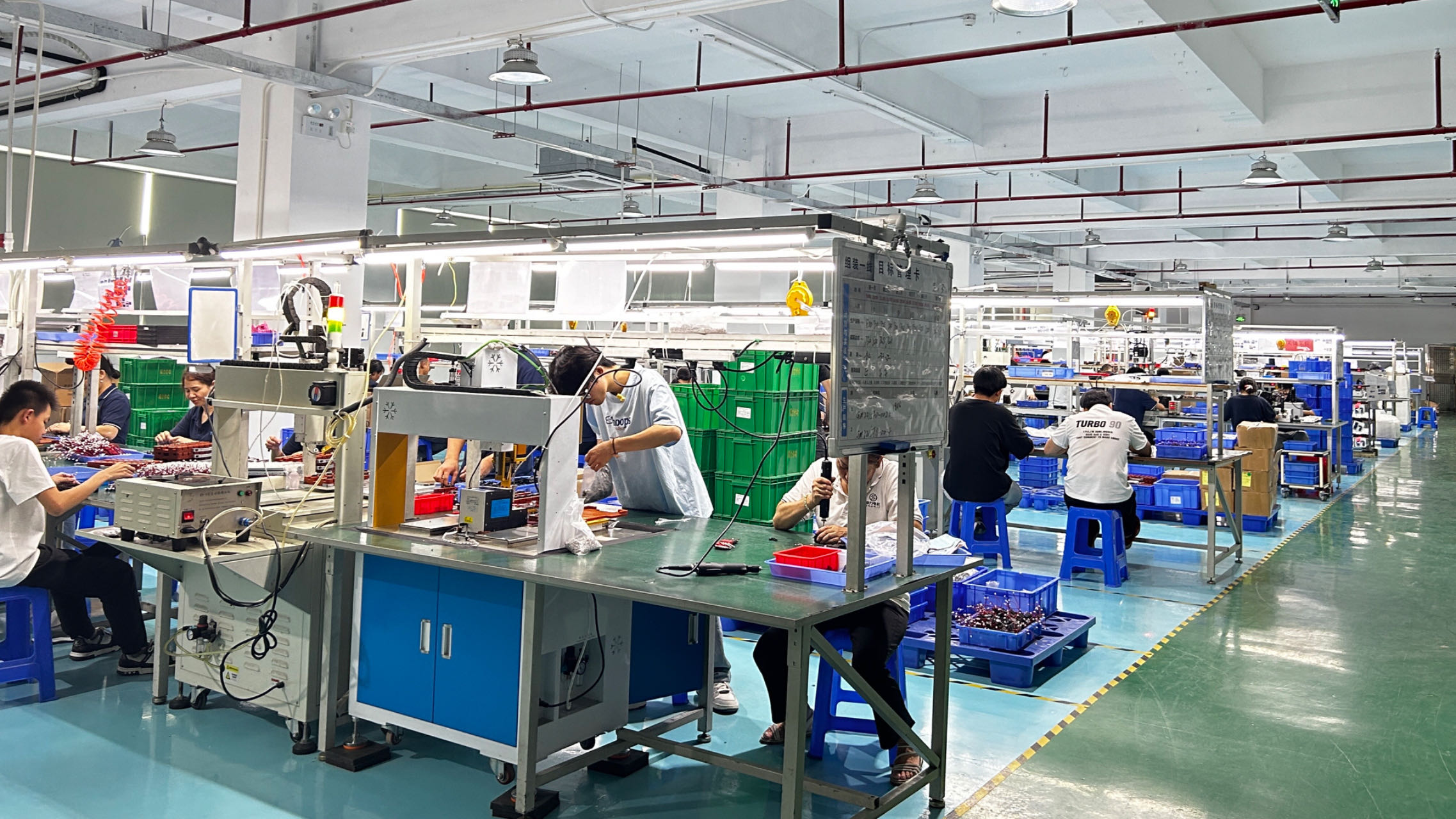
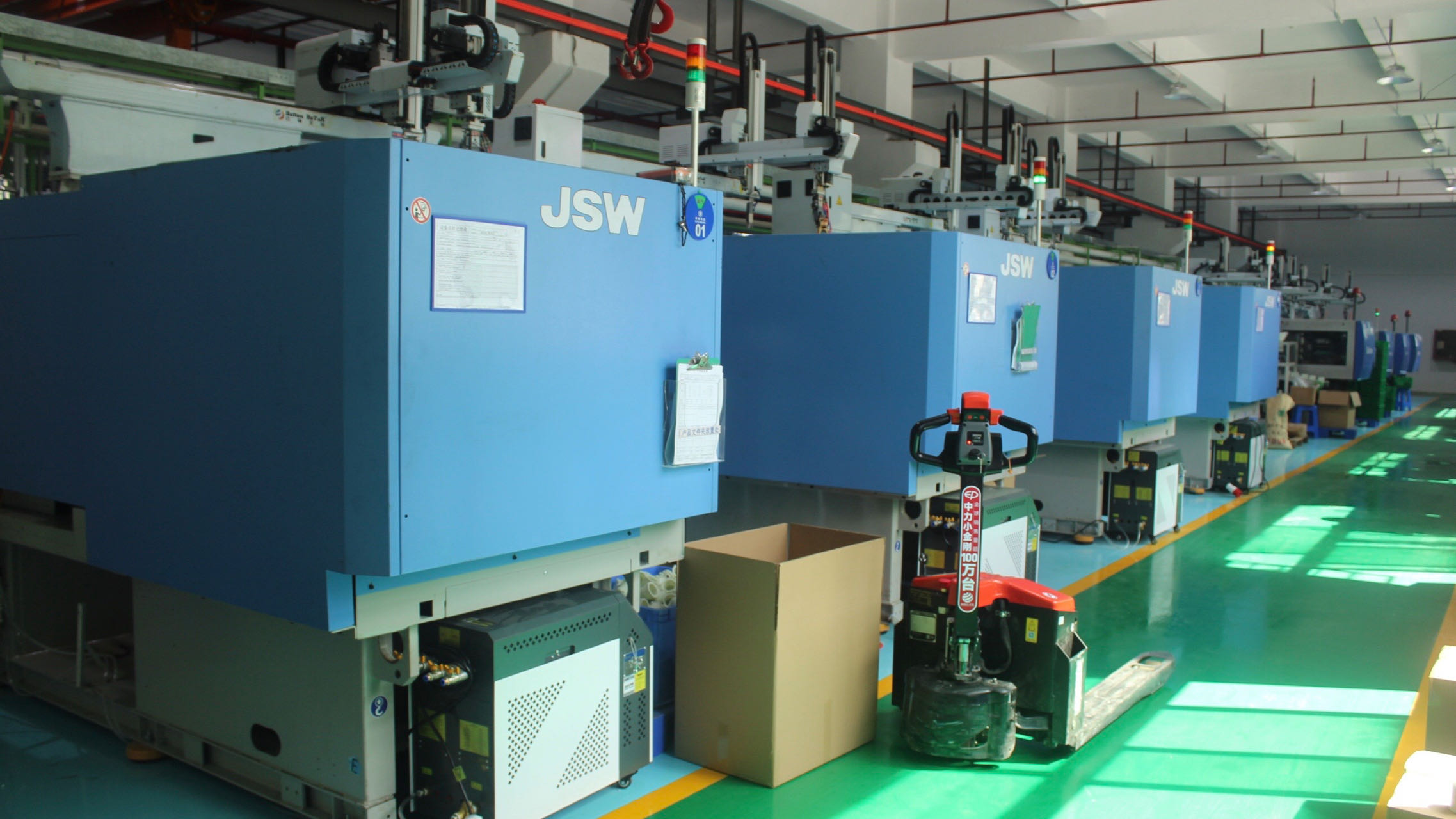
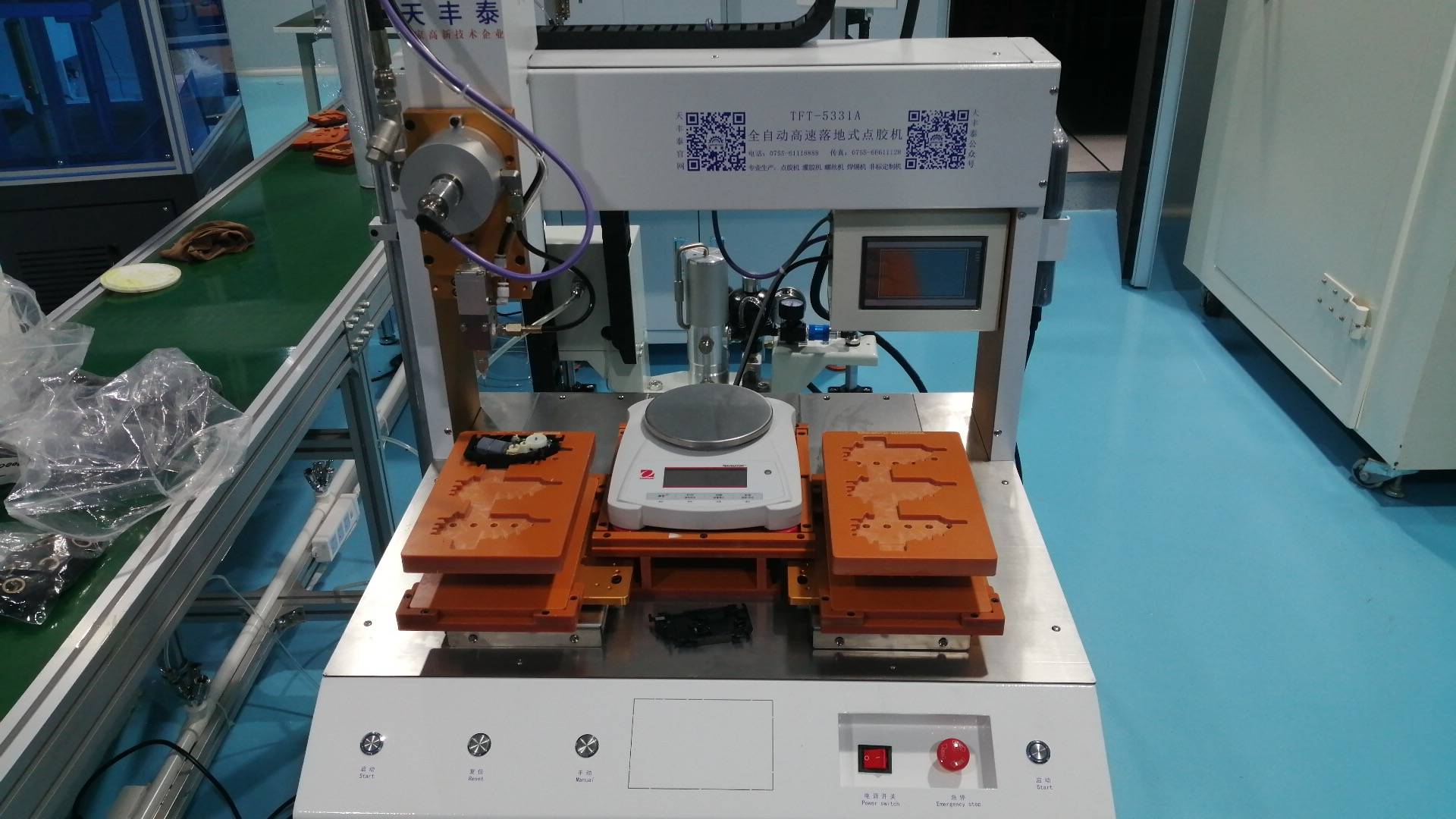
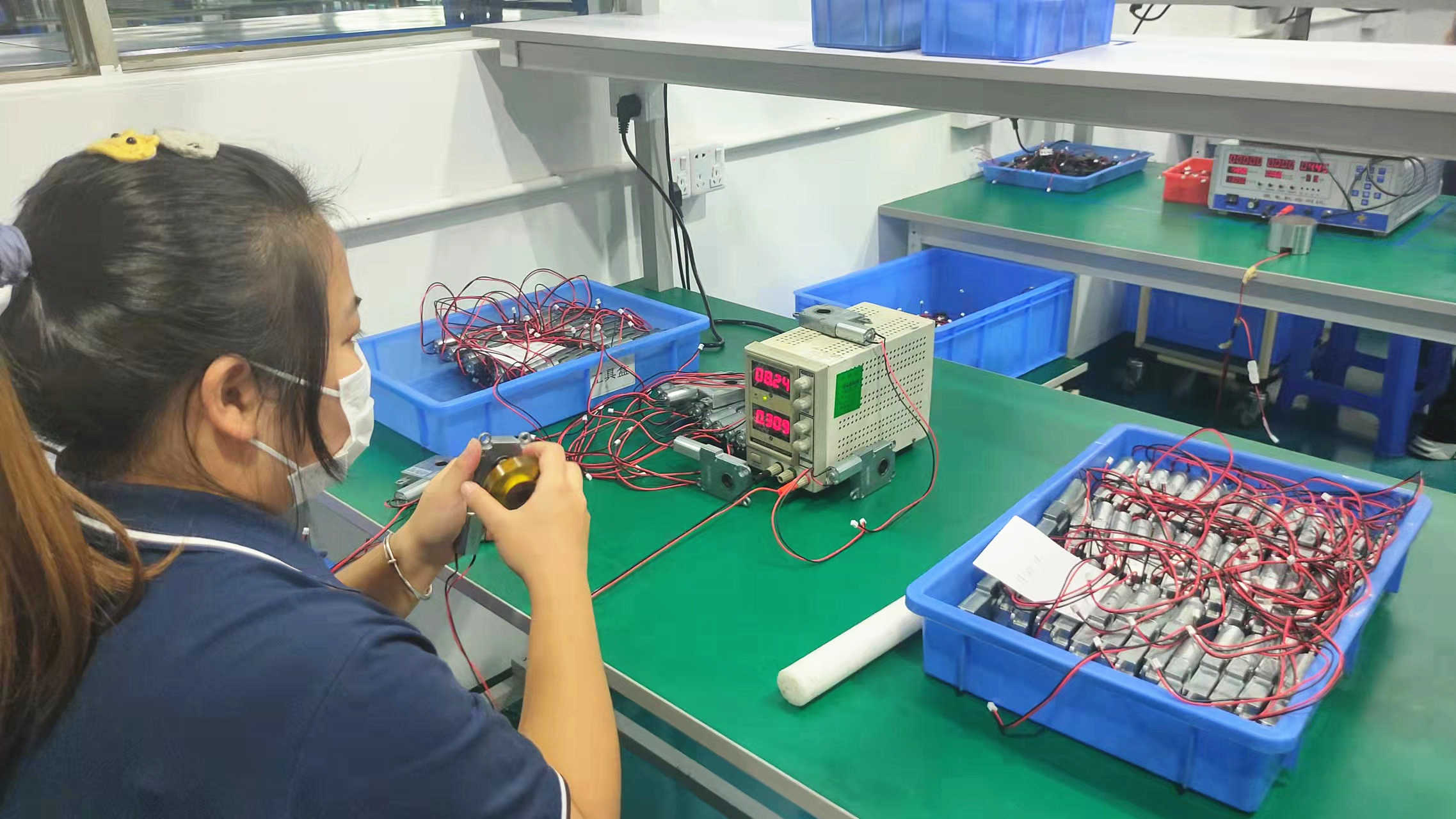
Every micro gear motor follows a highly structured production lifecycle. From raw material intake inspection to final dynamic load testing, we enforce strict trace control to maintain compliance with international CE certification requirements.
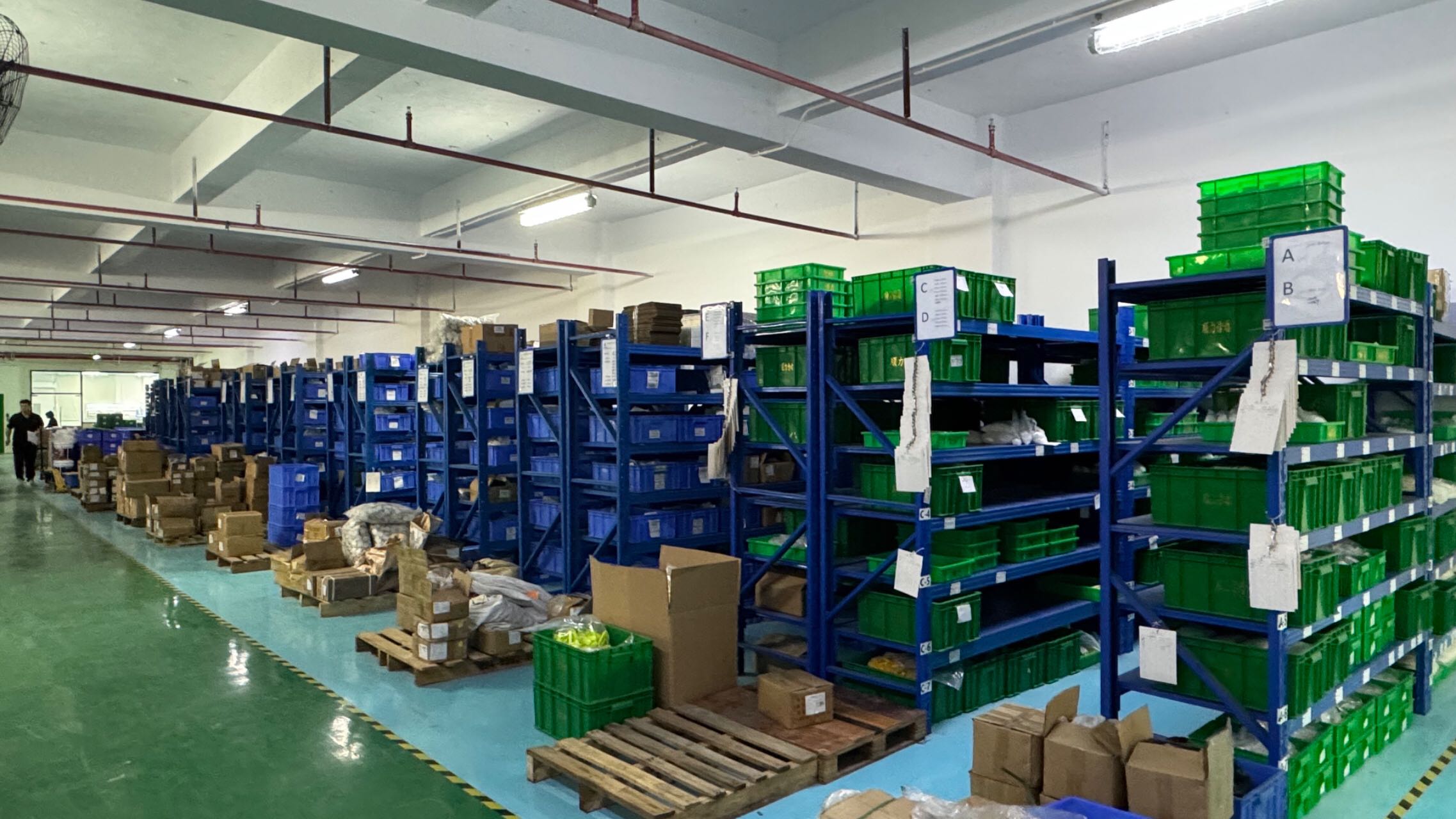

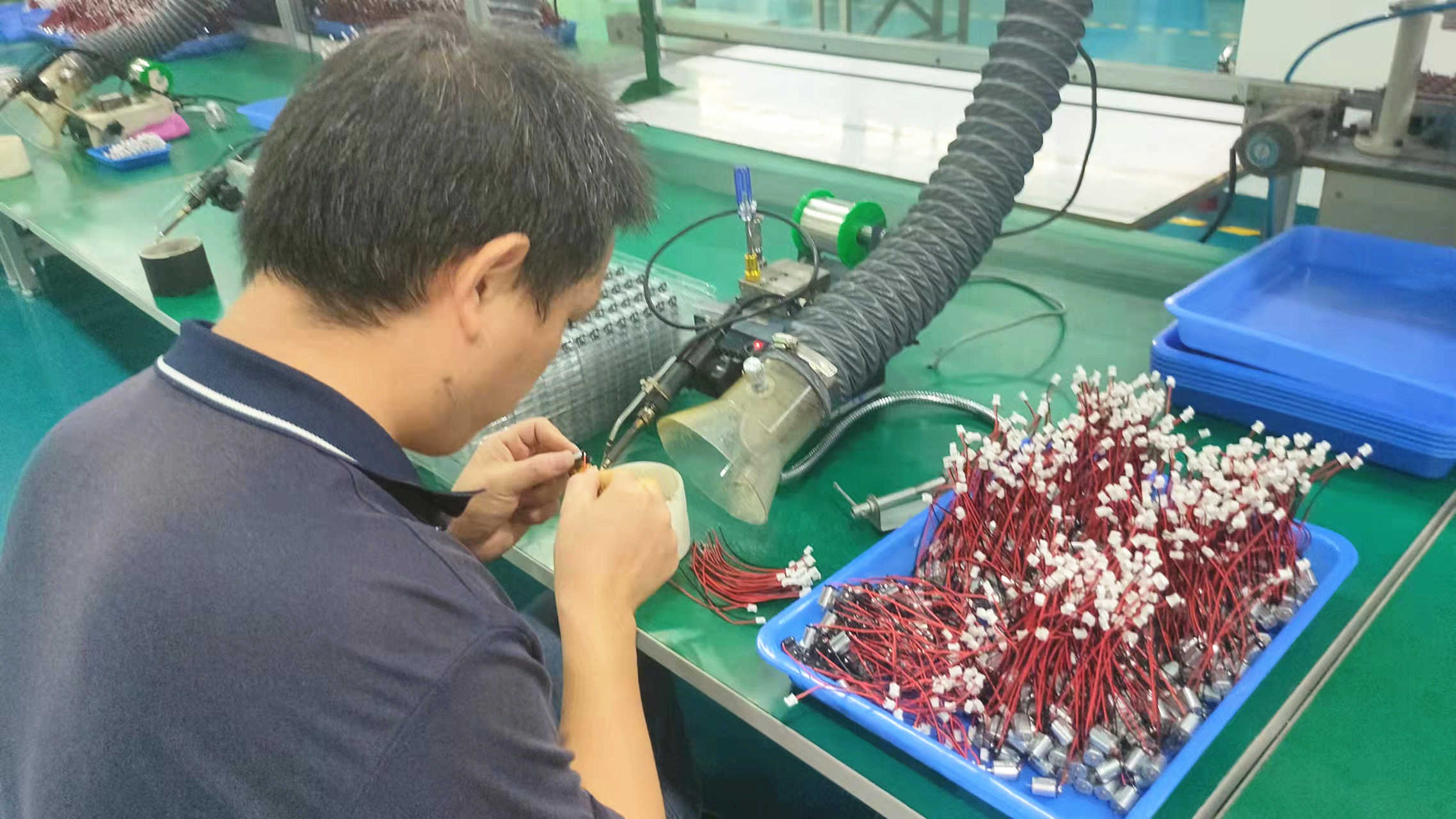
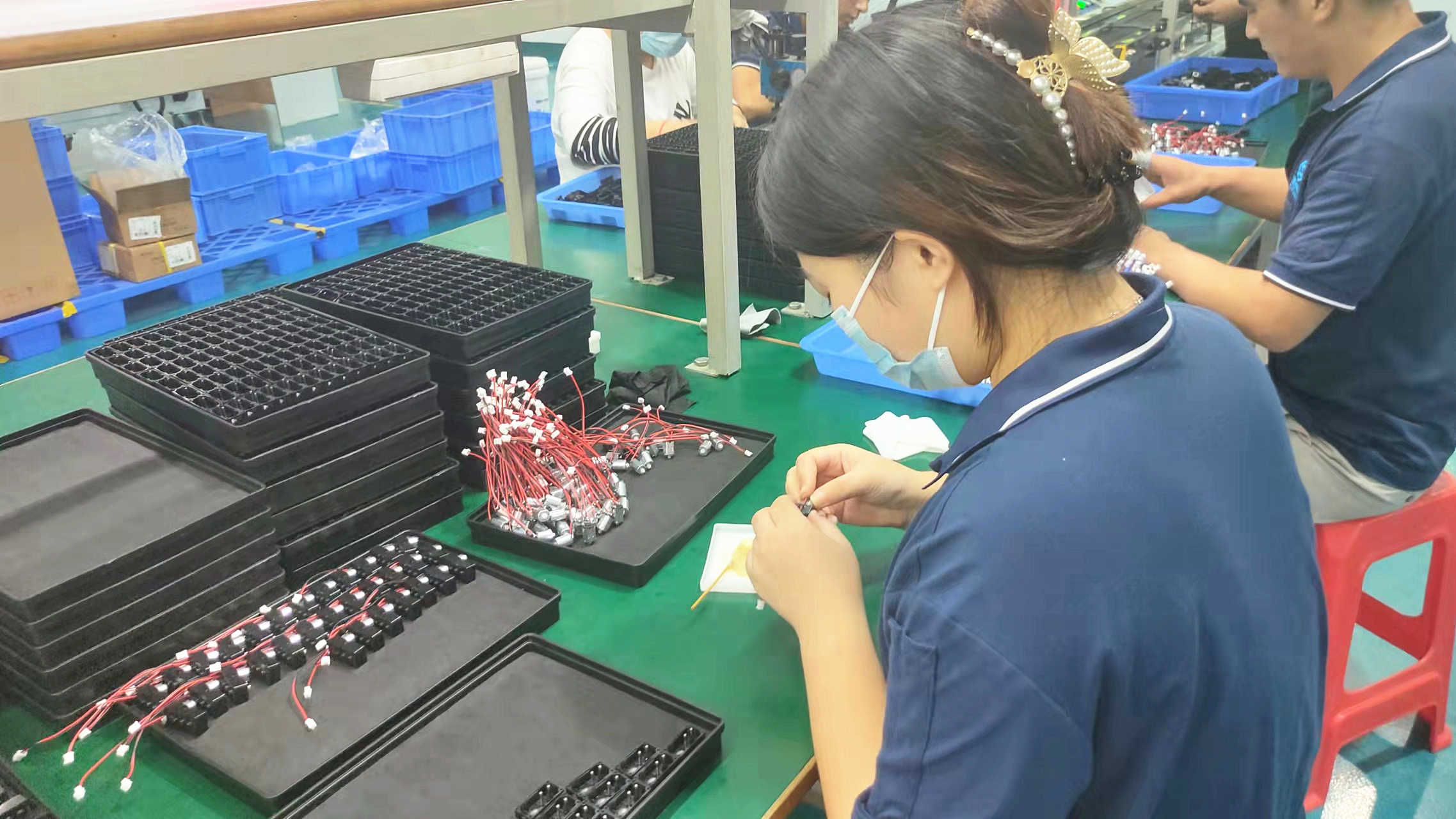
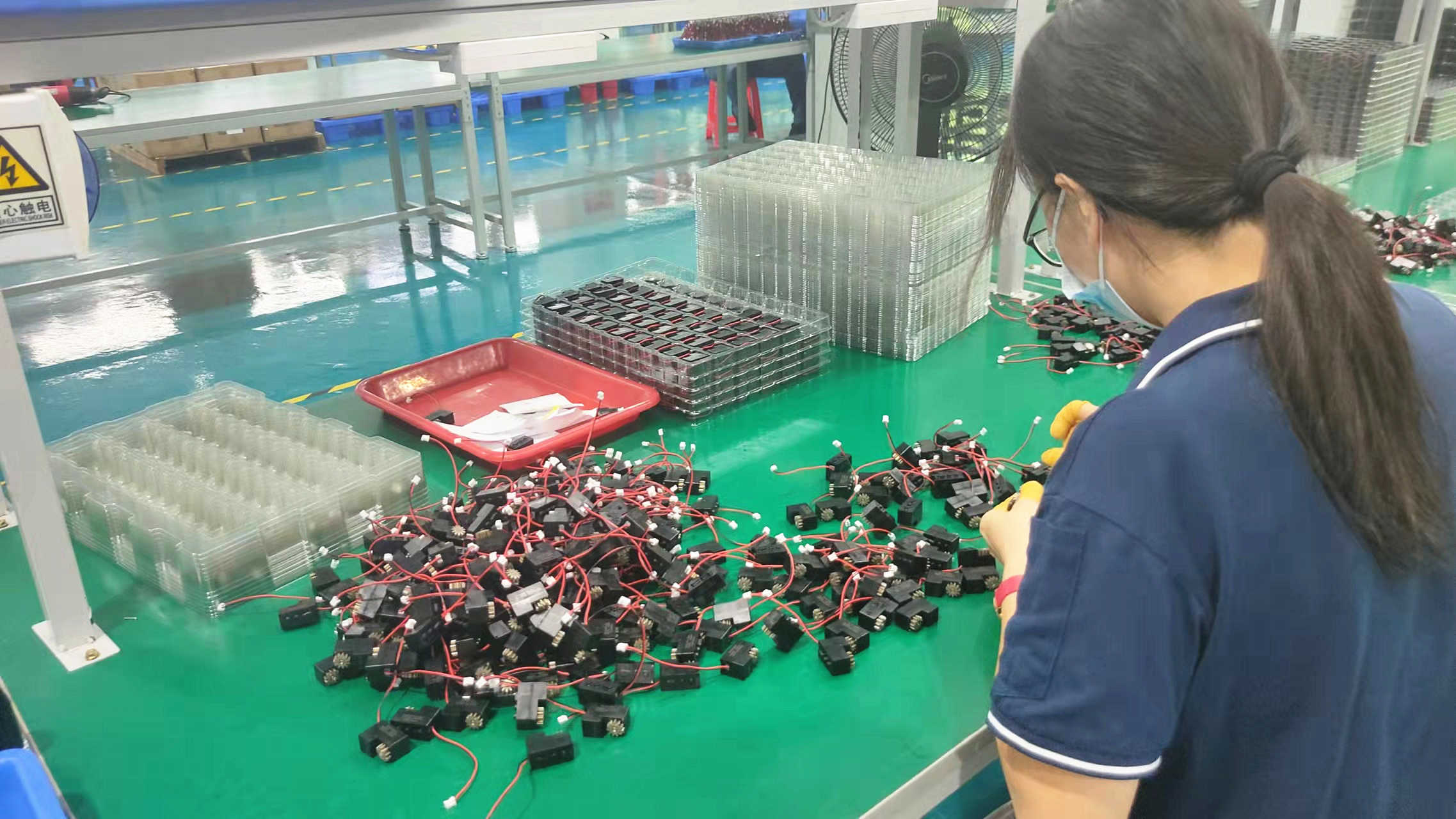
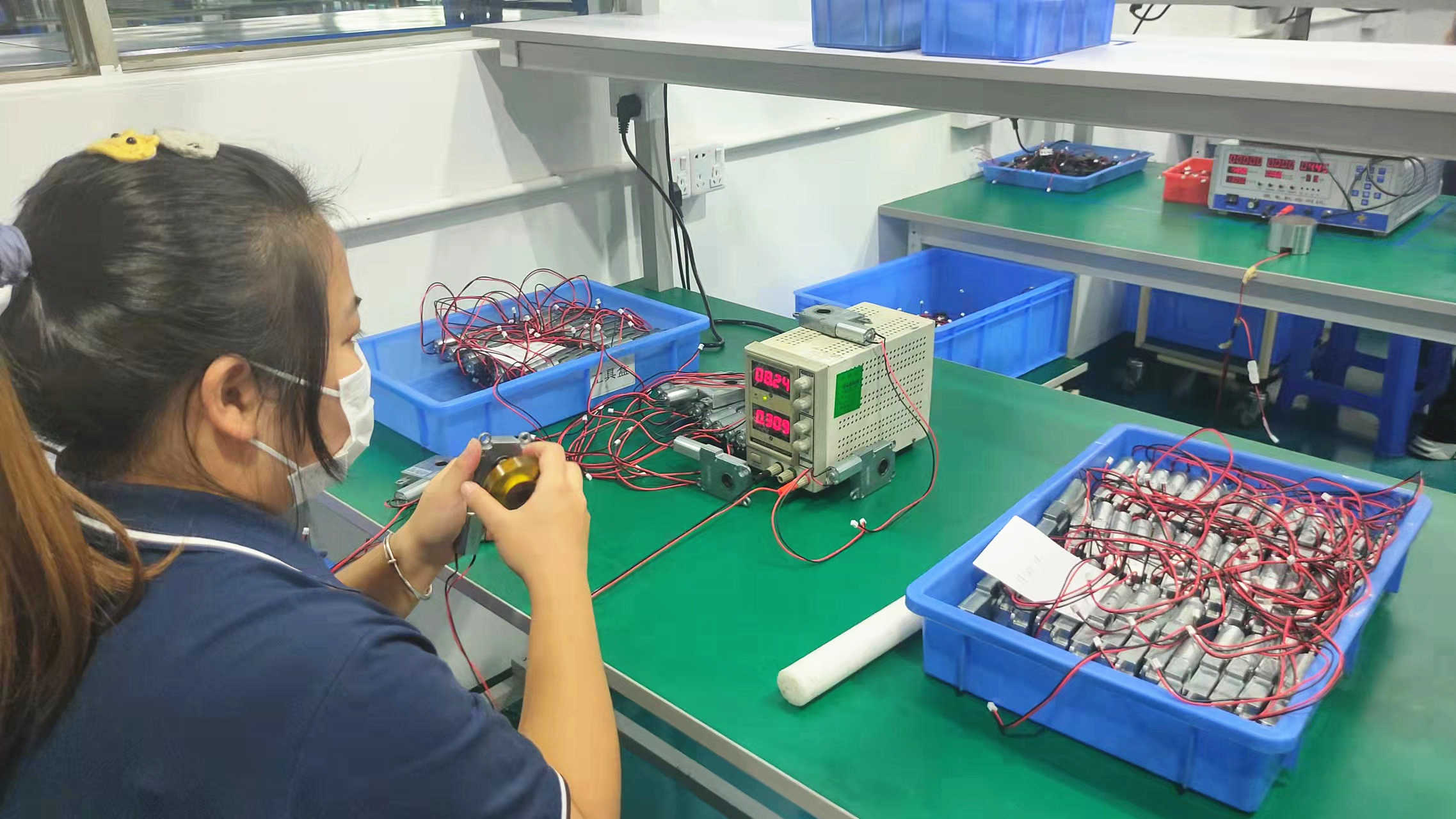
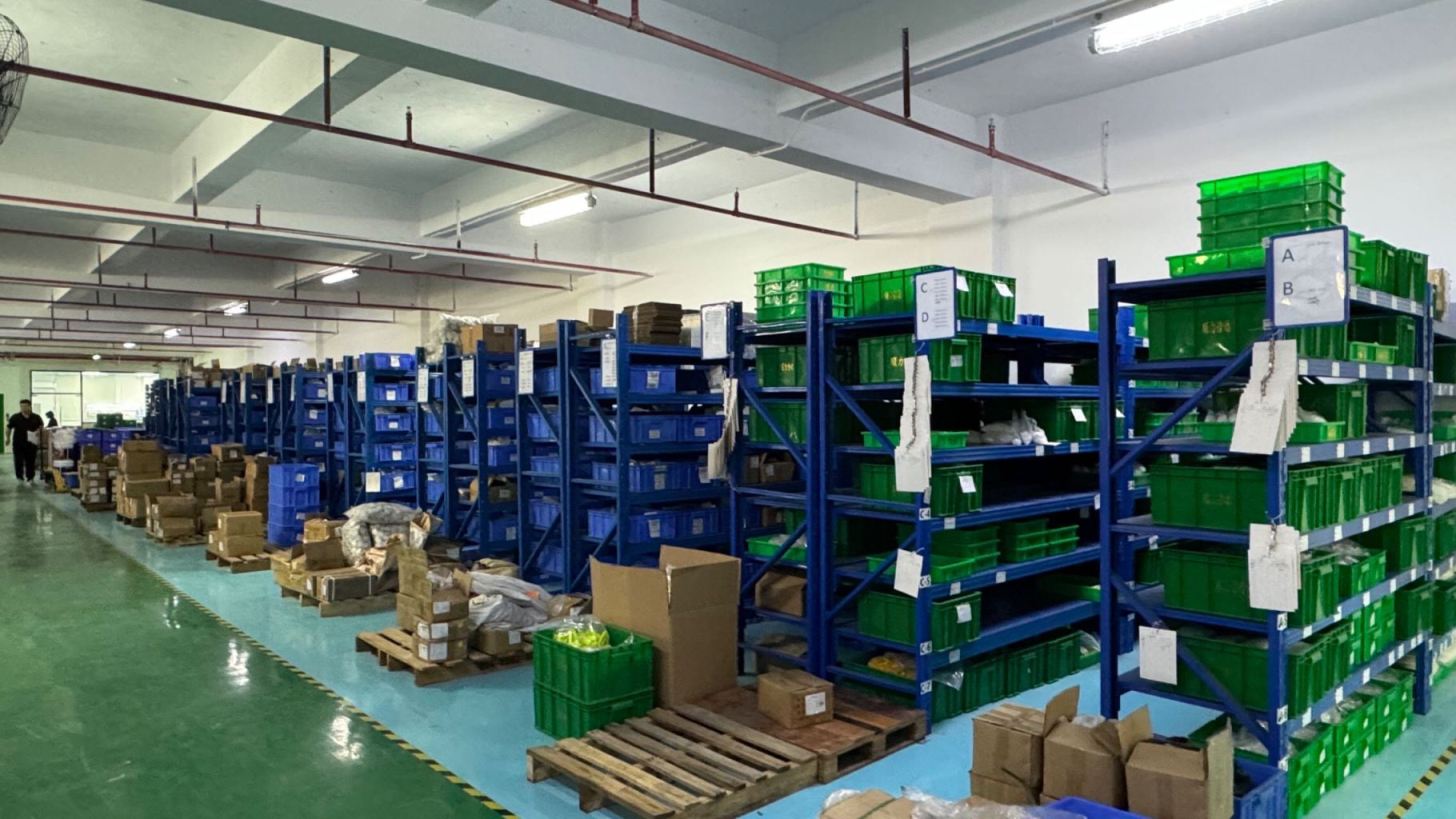
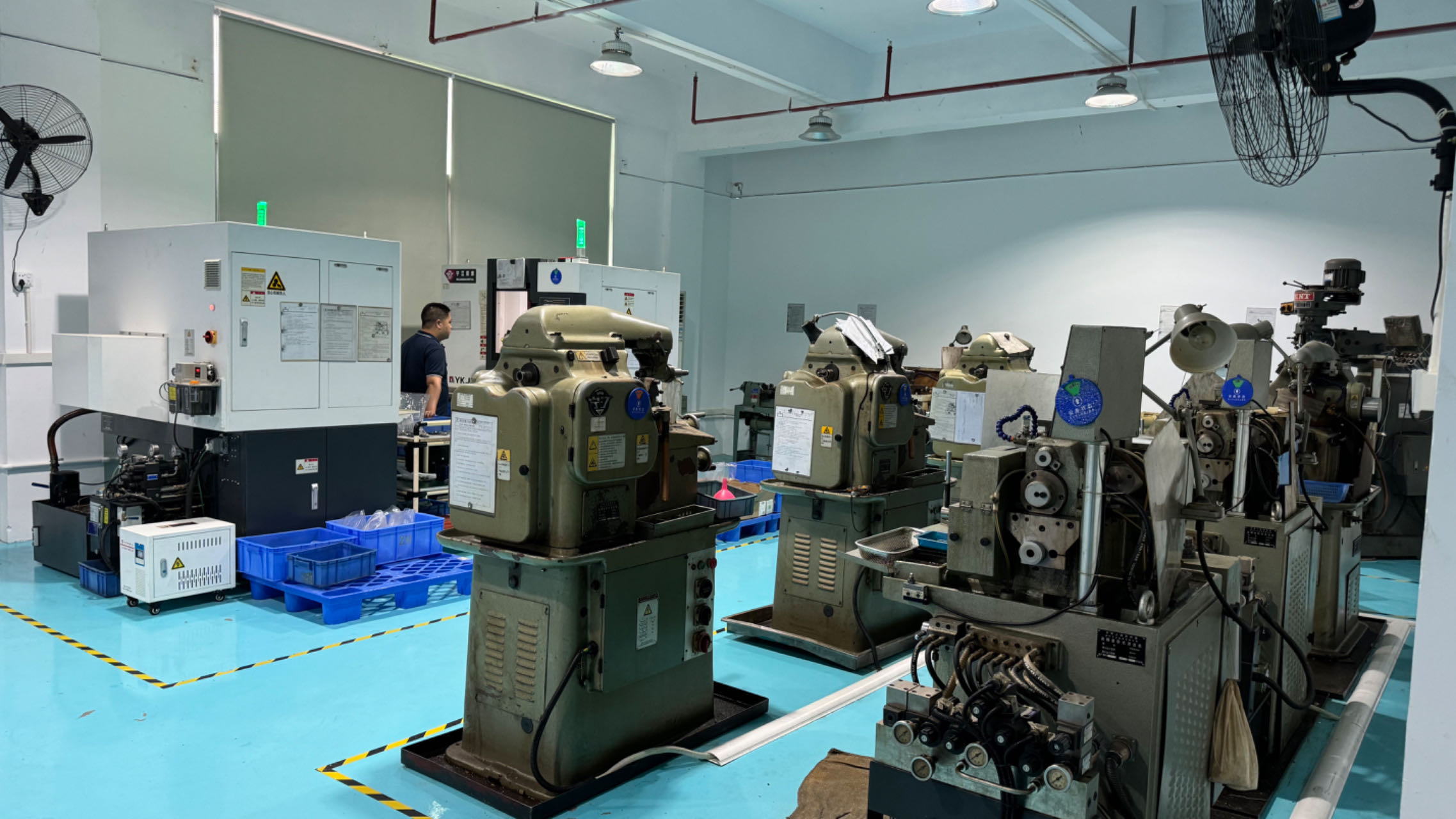
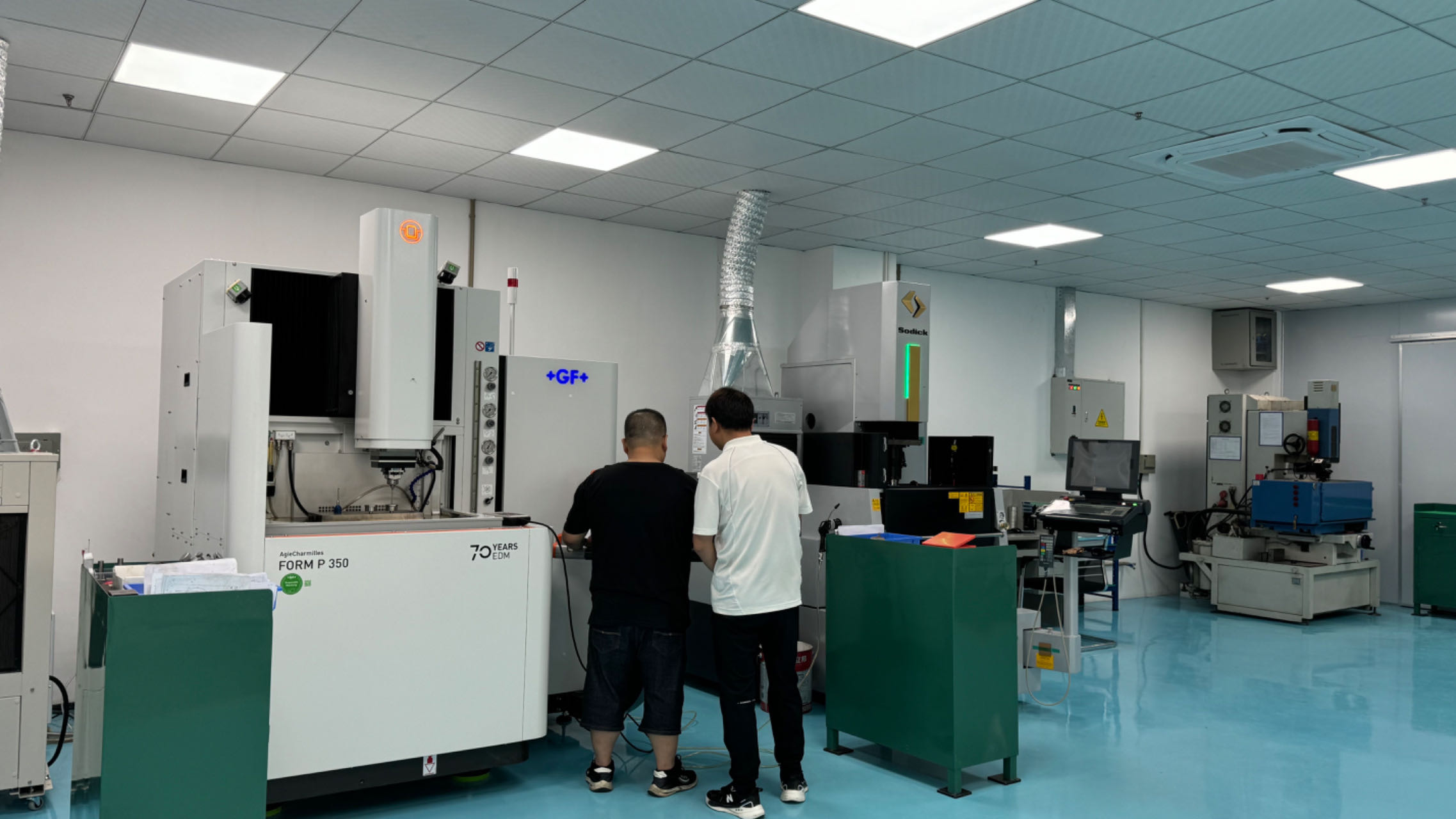
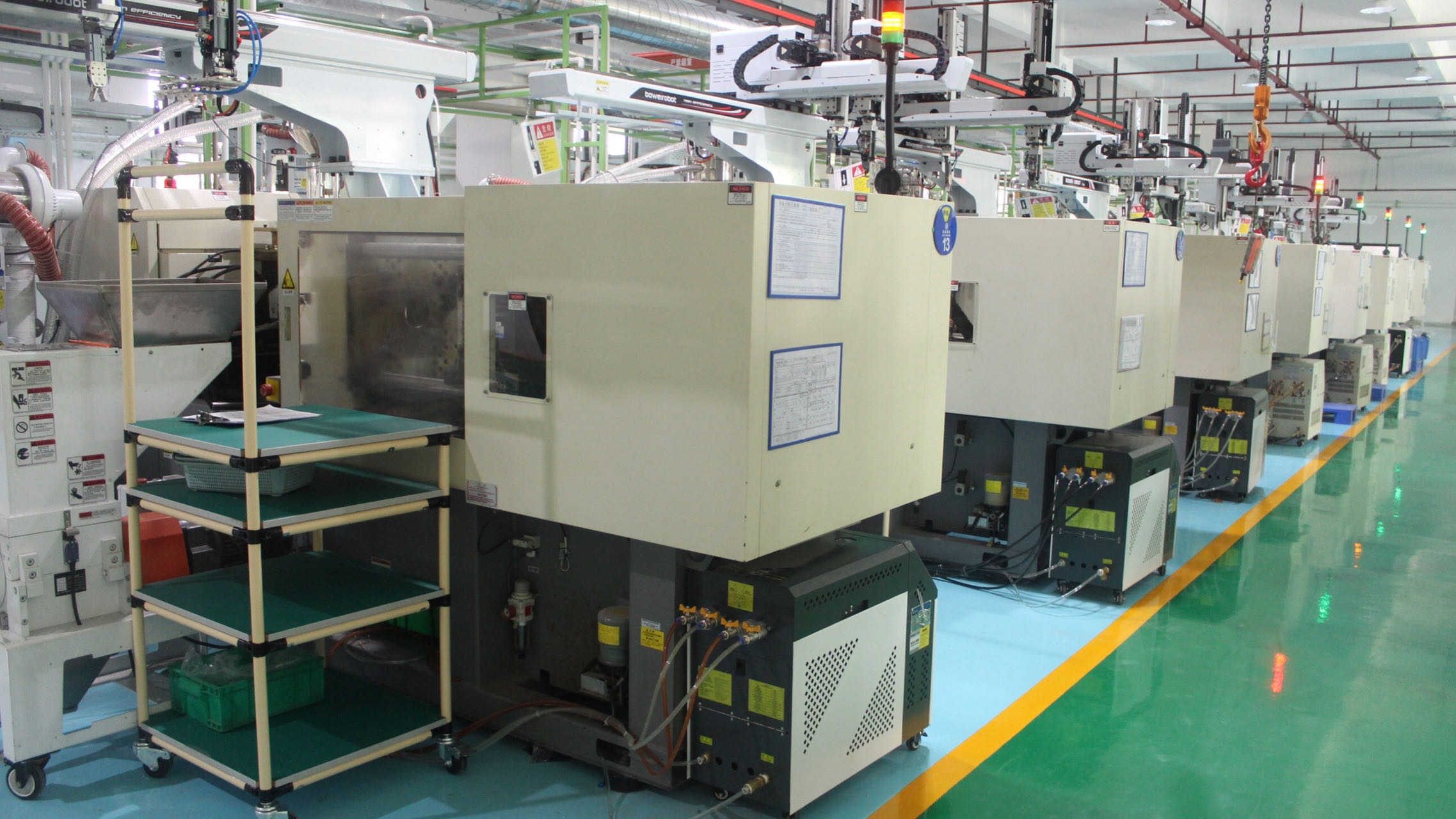
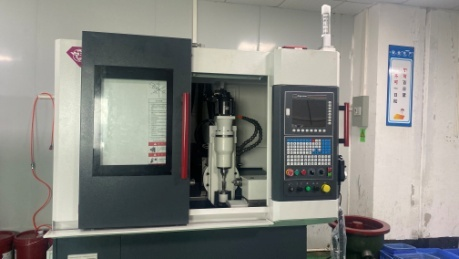
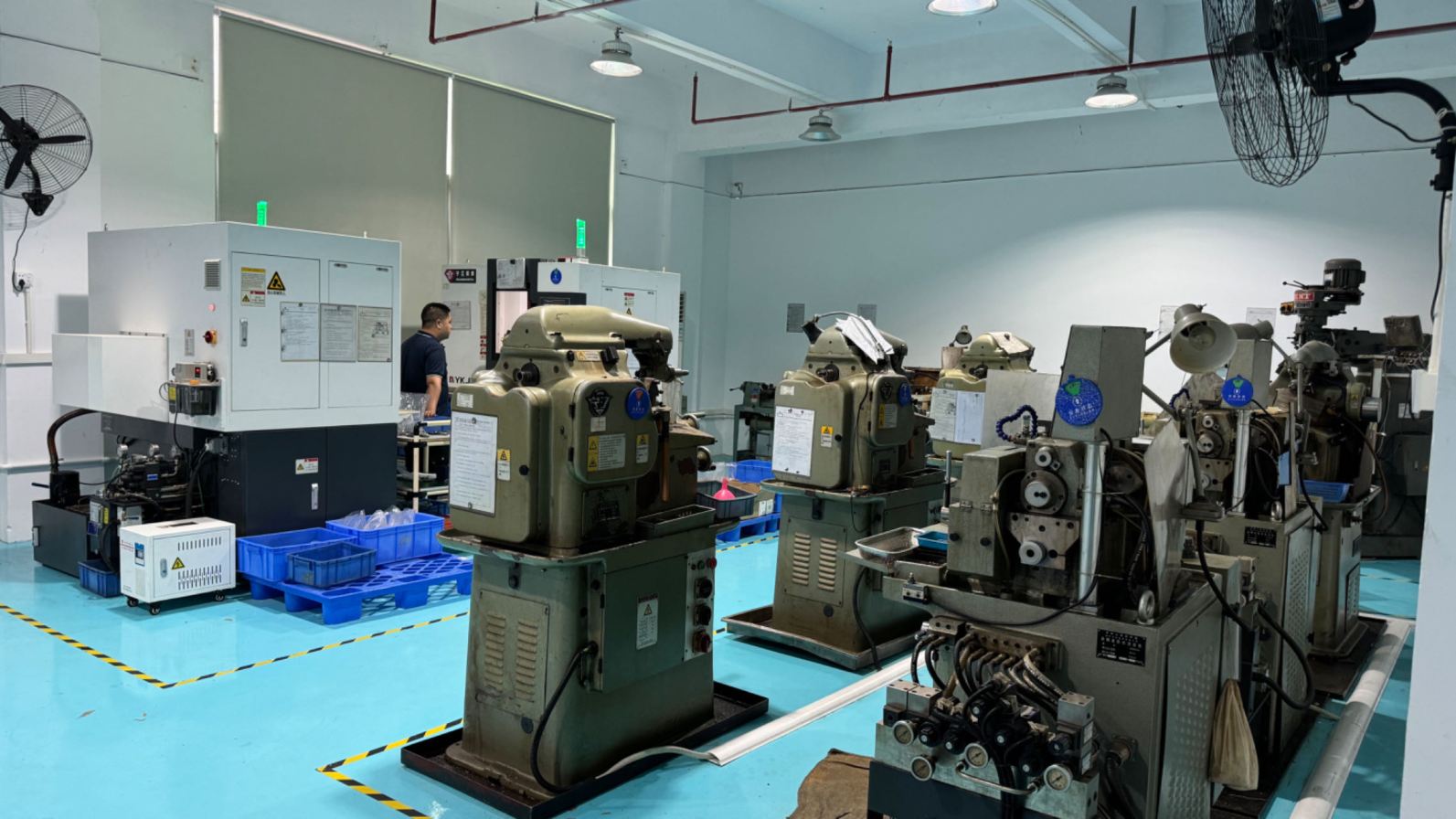
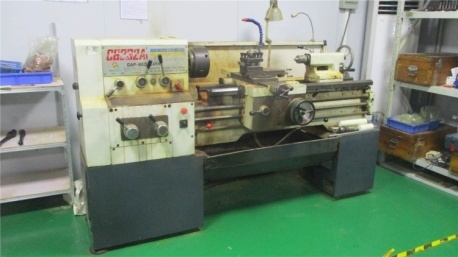
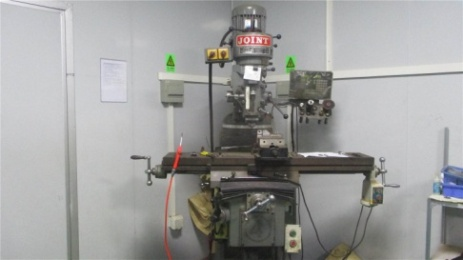
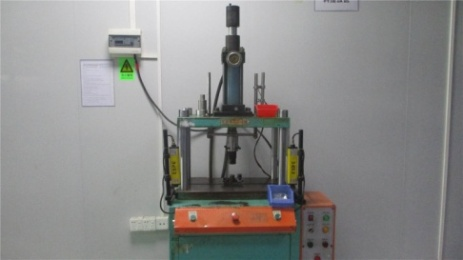
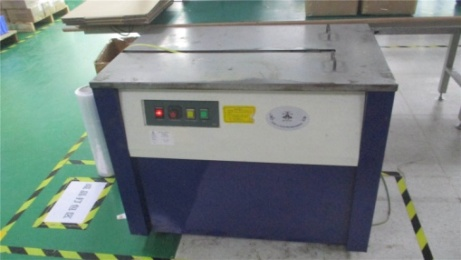
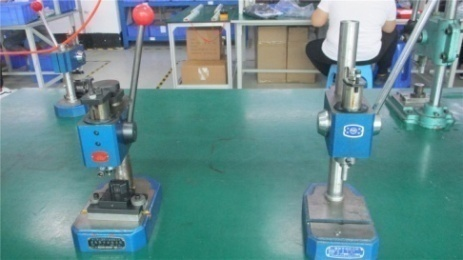
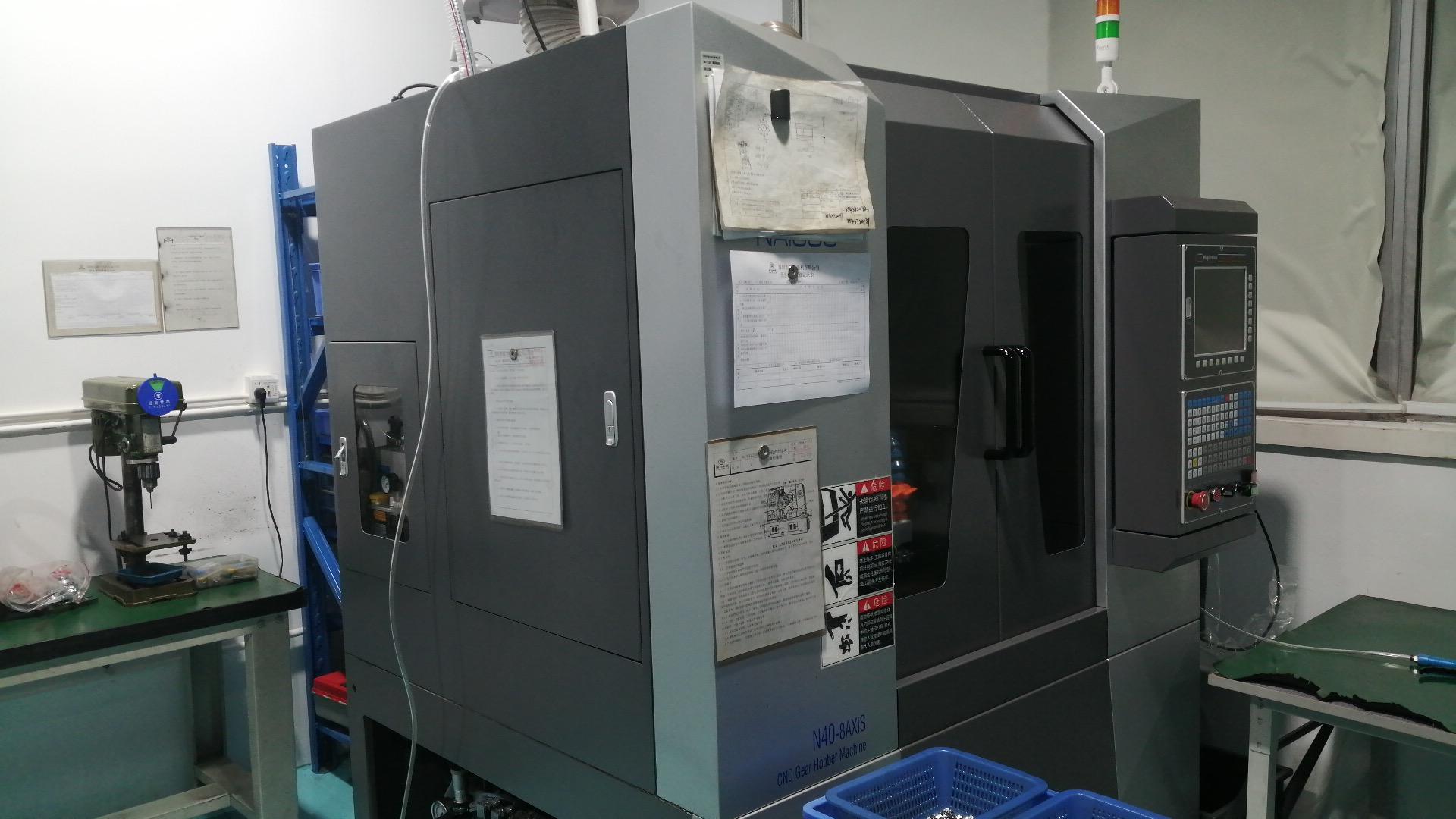
Our capital equipment pool comprises precision machinery from Japan and Switzerland, ensuring that we achieve gear dimensional stability within sub-micron parameters.
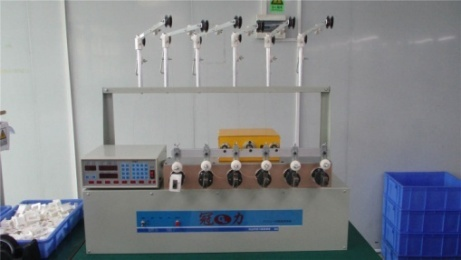
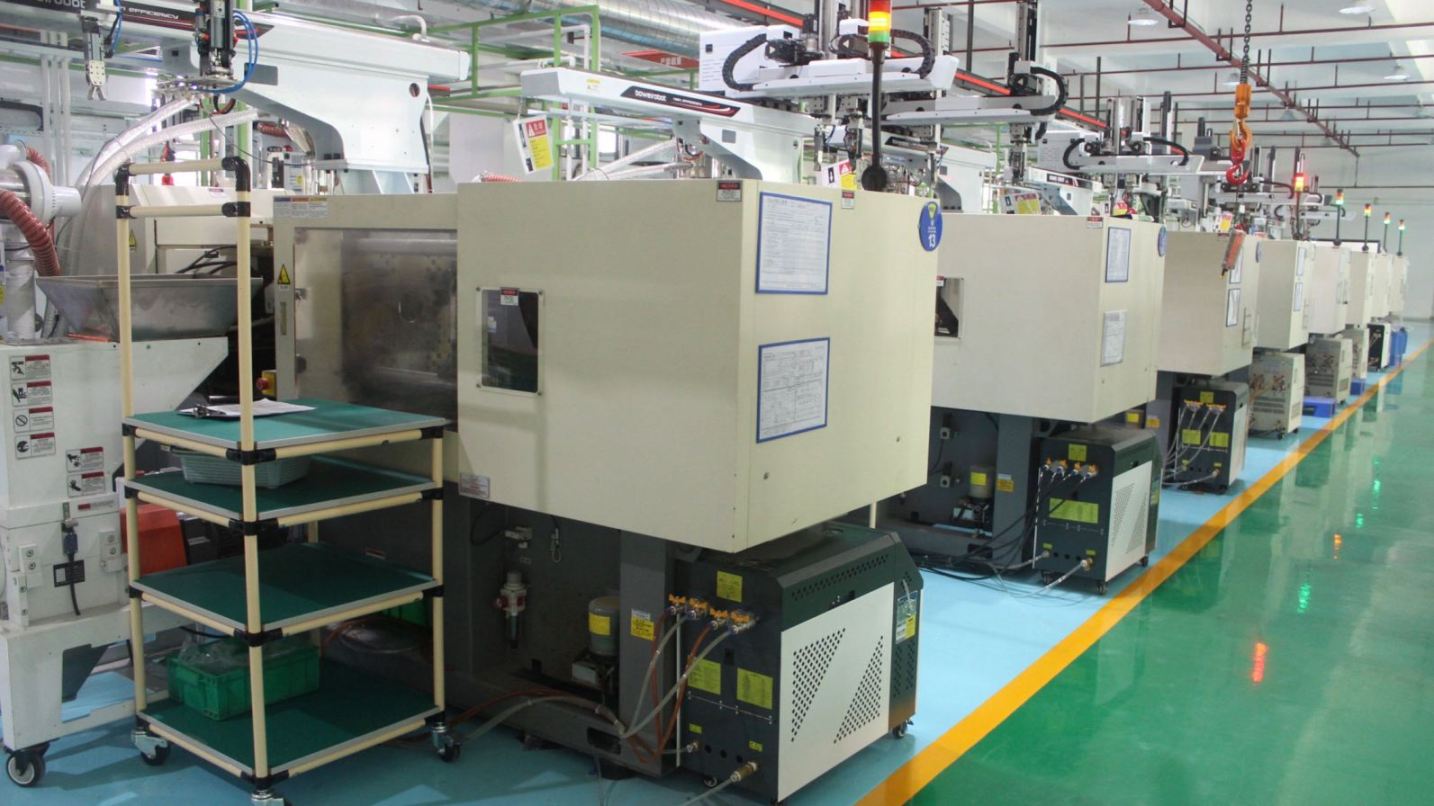
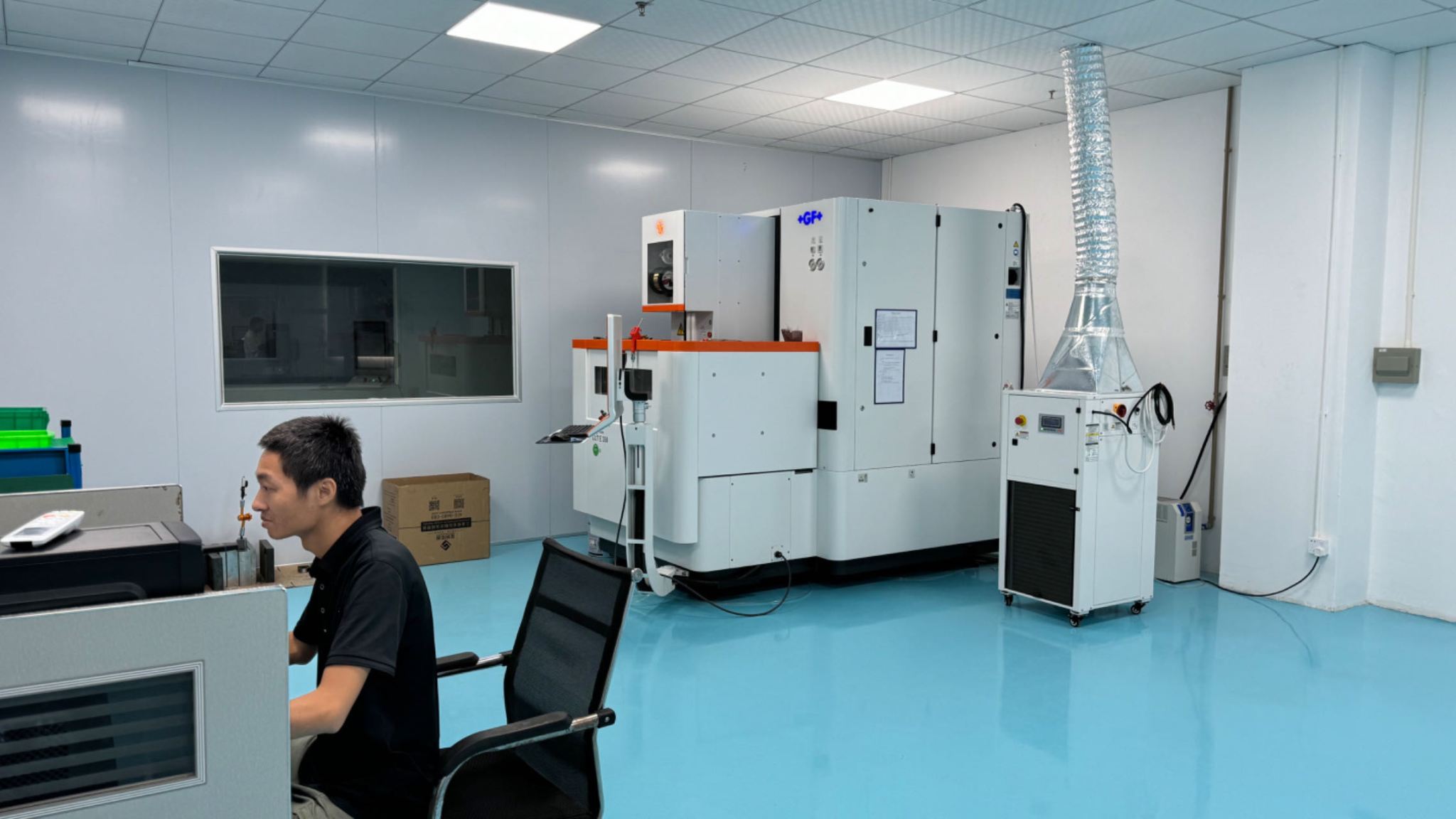
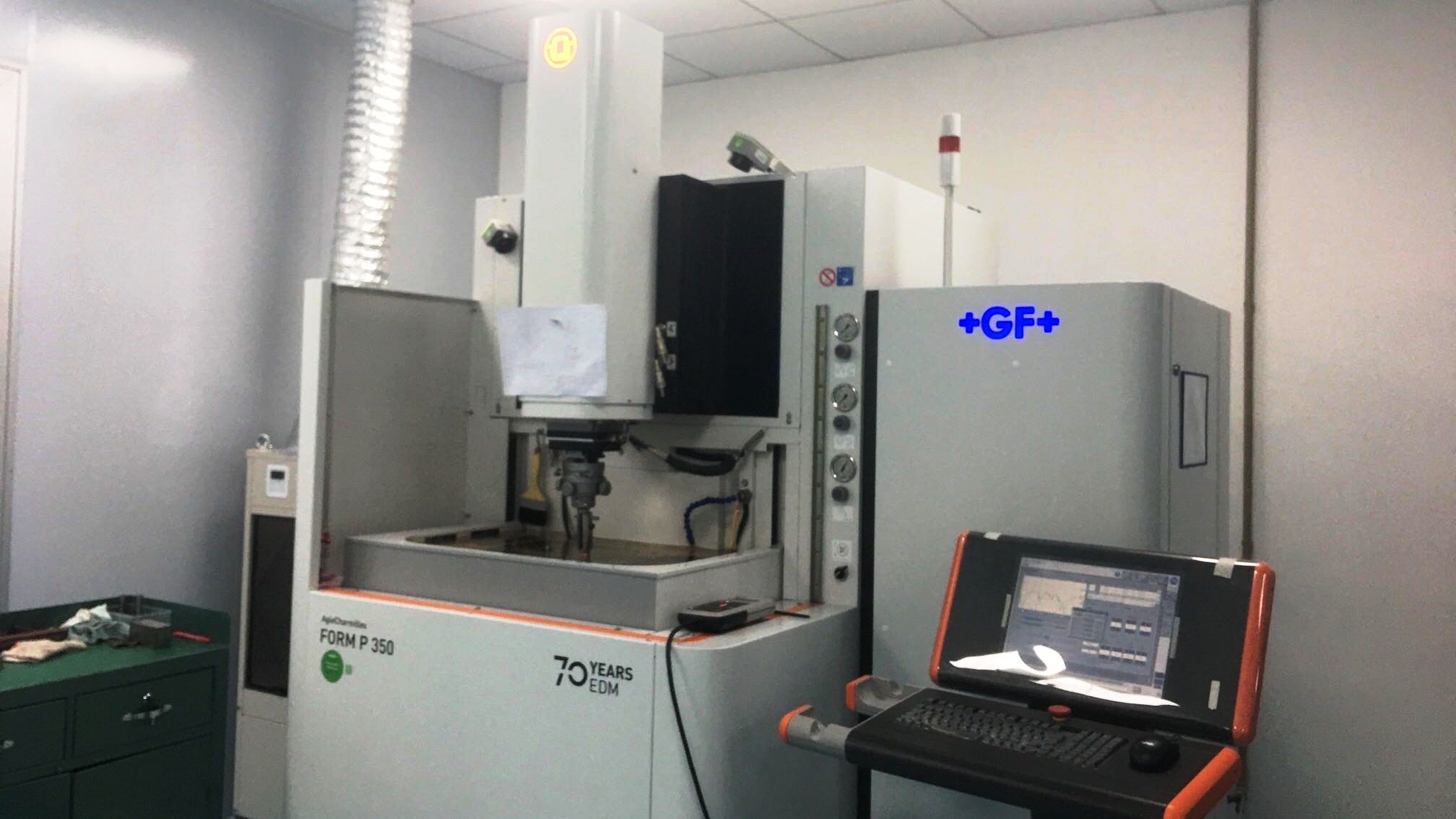
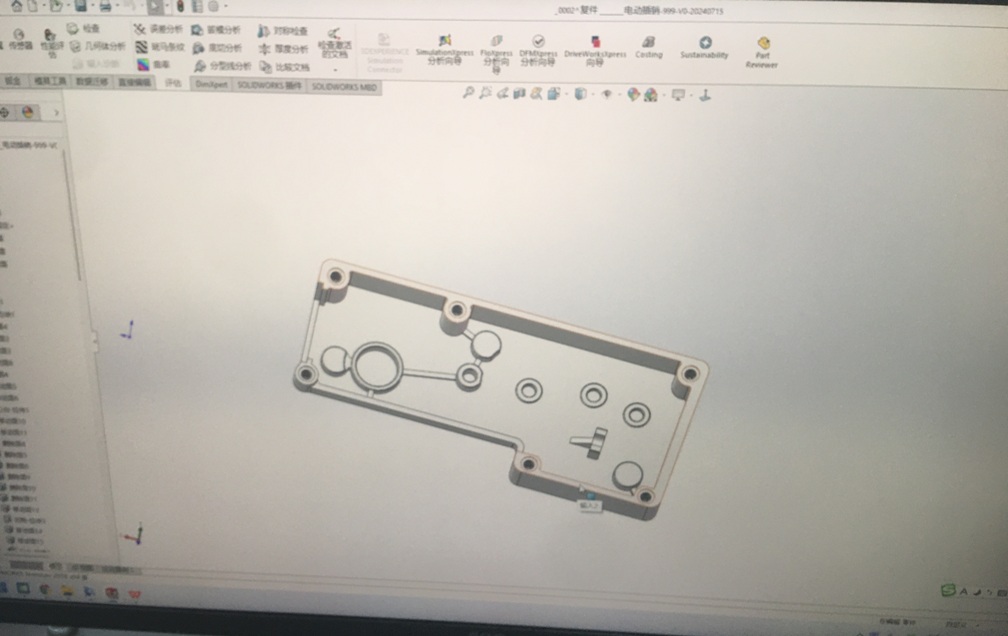
When selecting a miniature robotic actuator, mechanical engineers must weigh electromagnetic dynamics against mechanical reduction efficiencies. Our product design strategy spans three primary core topologies, each engineered for distinct robotic applications:
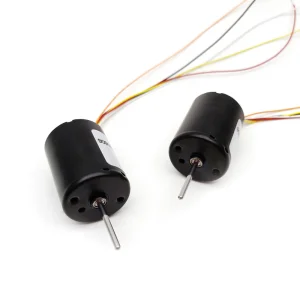
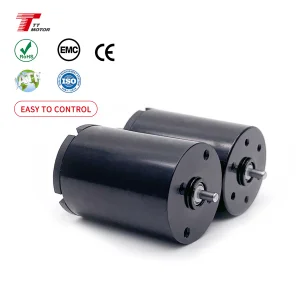
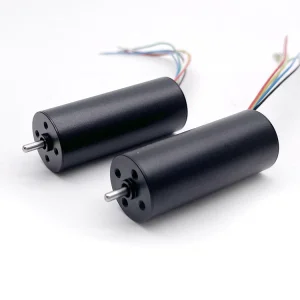
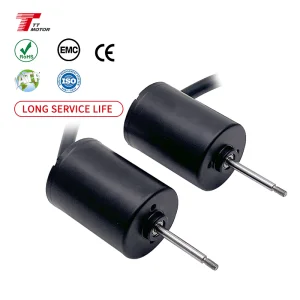
By eliminating the traditional laminated iron core rotor, our coreless motors (e.g., the 1640 series) exhibit zero cogging torque. This means extremely smooth rotation even at ultra-low speeds, and exceptionally fast dynamic acceleration. This makes them the premier choice for surgical devices and tattoo equipment, where tactile feedback and vibration reduction are critical to performance.
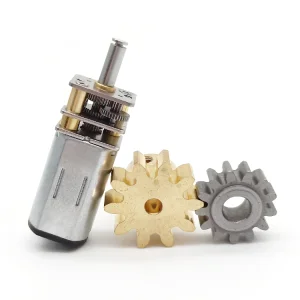
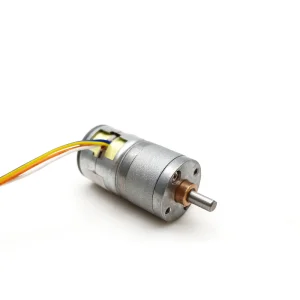
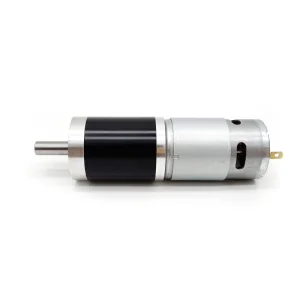
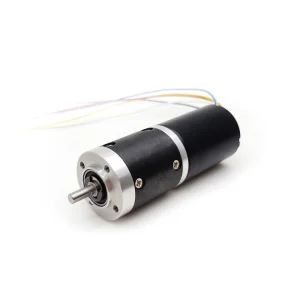
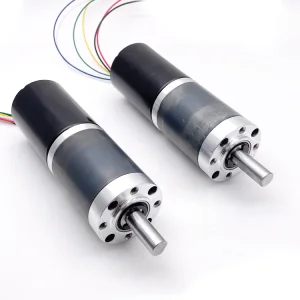
Unlike standard spur gearboxes, planetary gear systems distribute mechanical loads across multiple planet gears. This allows for significantly higher torque transmission in a compact radial footprint. Our 20mm and 28mm planetary gear reducers feature hardened carbon-steel gear trains with internal high-viscosity synthetic grease, enabling maintenance-free service intervals exceeding 5,000 operational hours.
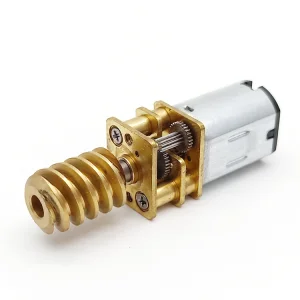
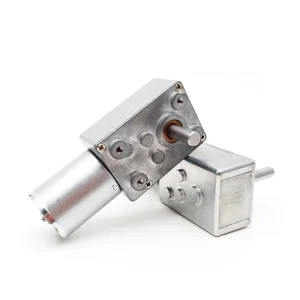
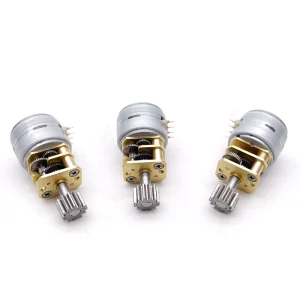
For applications demanding a perpendicular output shaft and safety-critical mechanical holding, our right-angle worm gear motors (such as the RF-370 series) offer integrated self-locking characteristics. When power is lost, the worm drive blocks reverse back-driving, protecting sensitive robotic arms or automated gate locks from mechanical collapse.
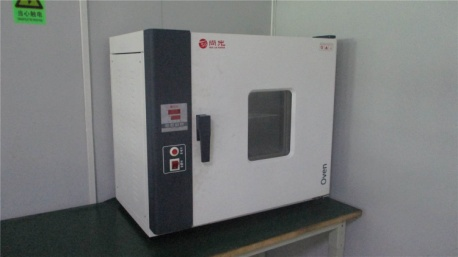
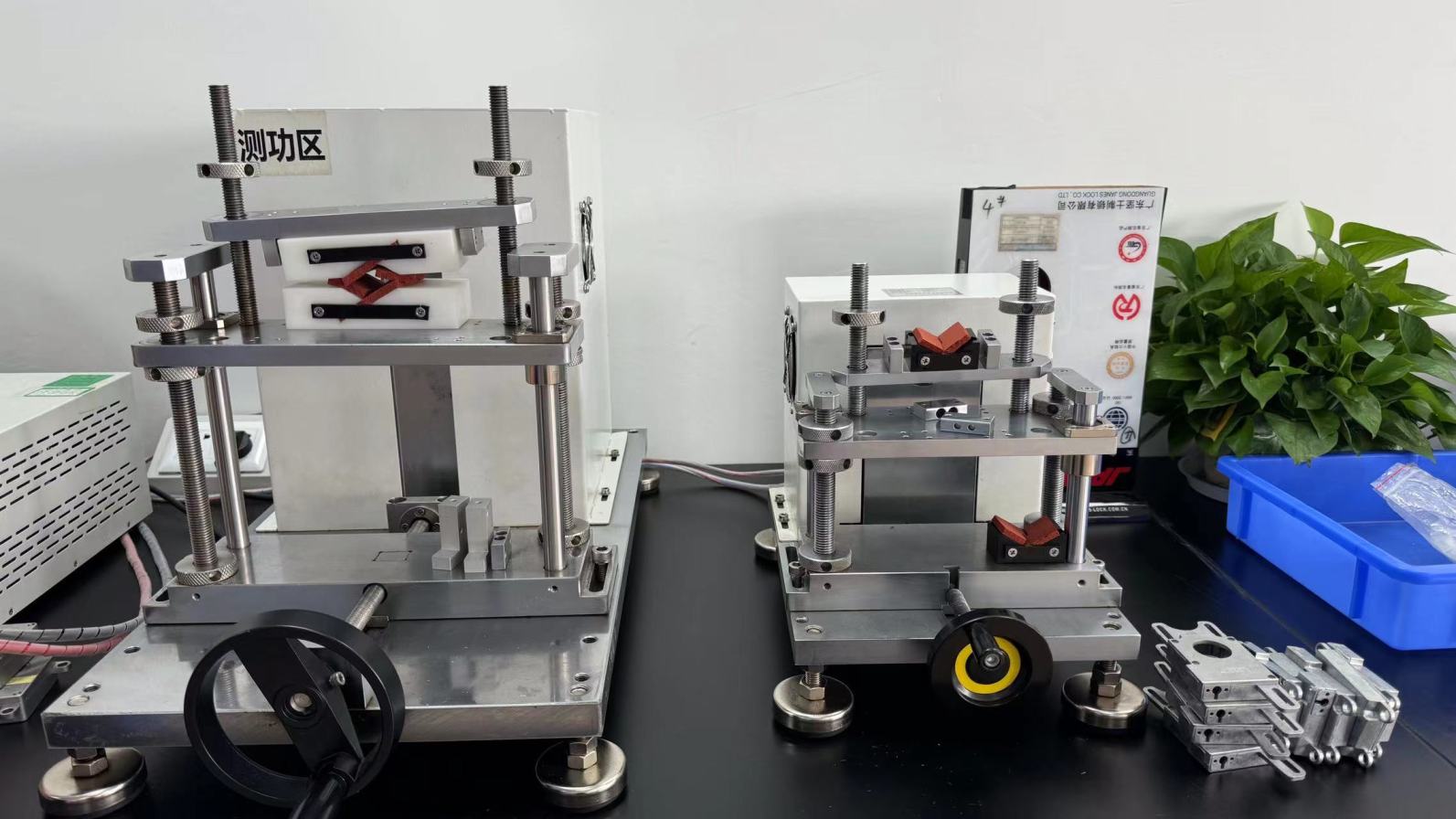
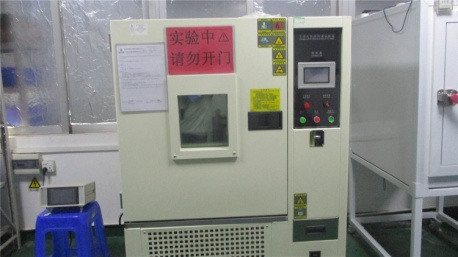
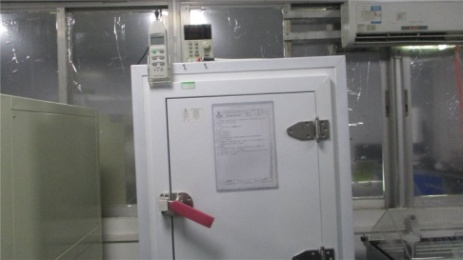
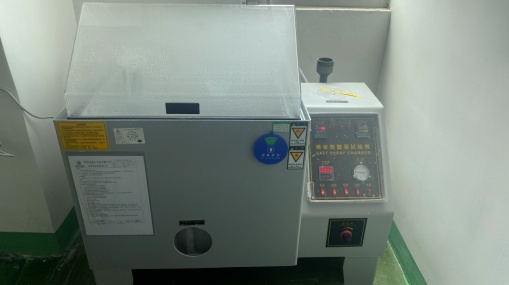
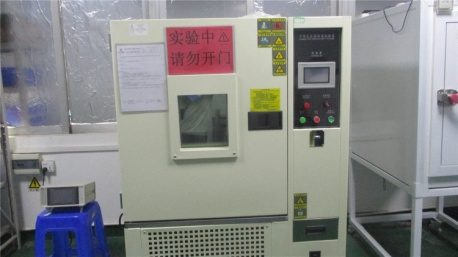
Before any batch of gear motors is cleared for shipment, it undergoes comprehensive environmental stress testing and mechanical verification. Below is our array of analytical and testing equipment:
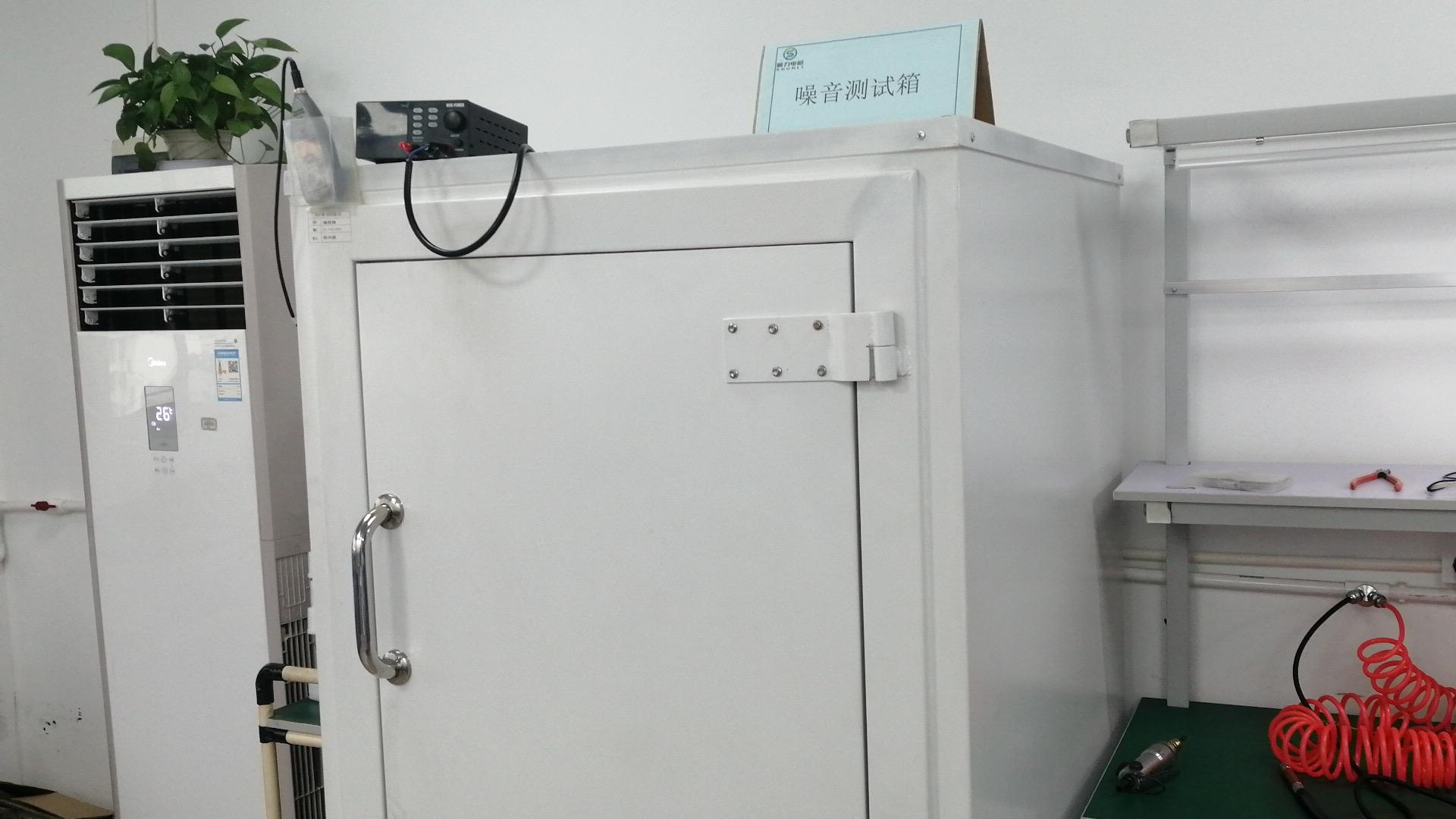
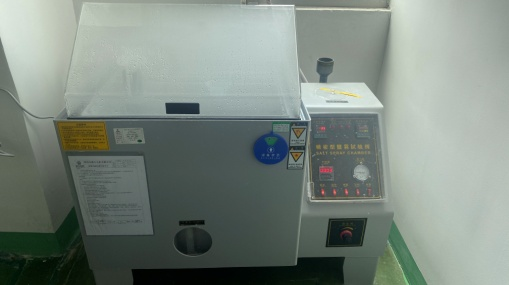
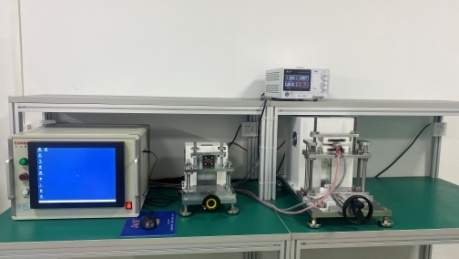
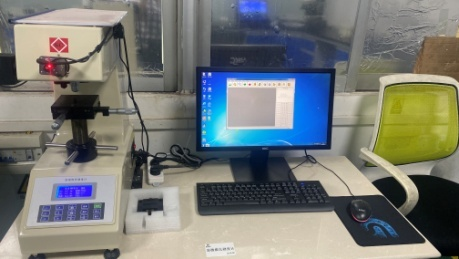
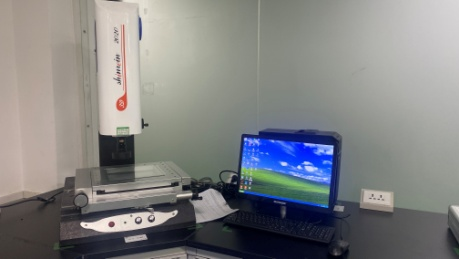
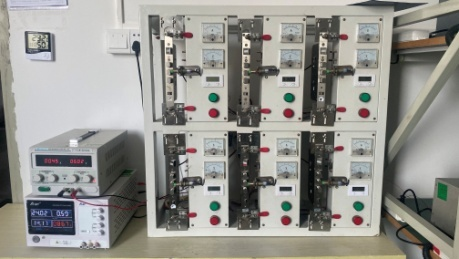
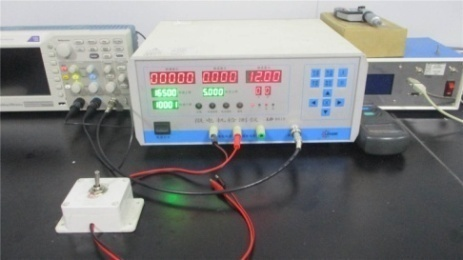
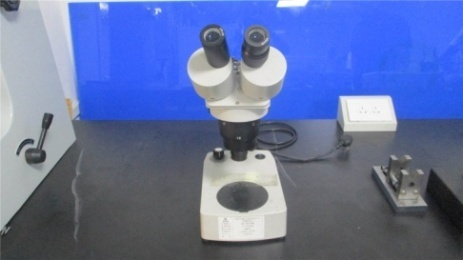
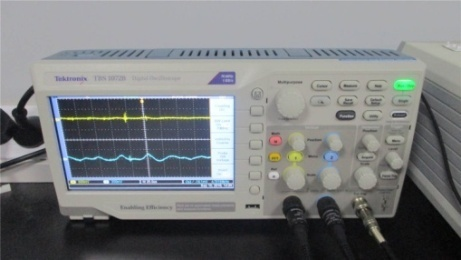
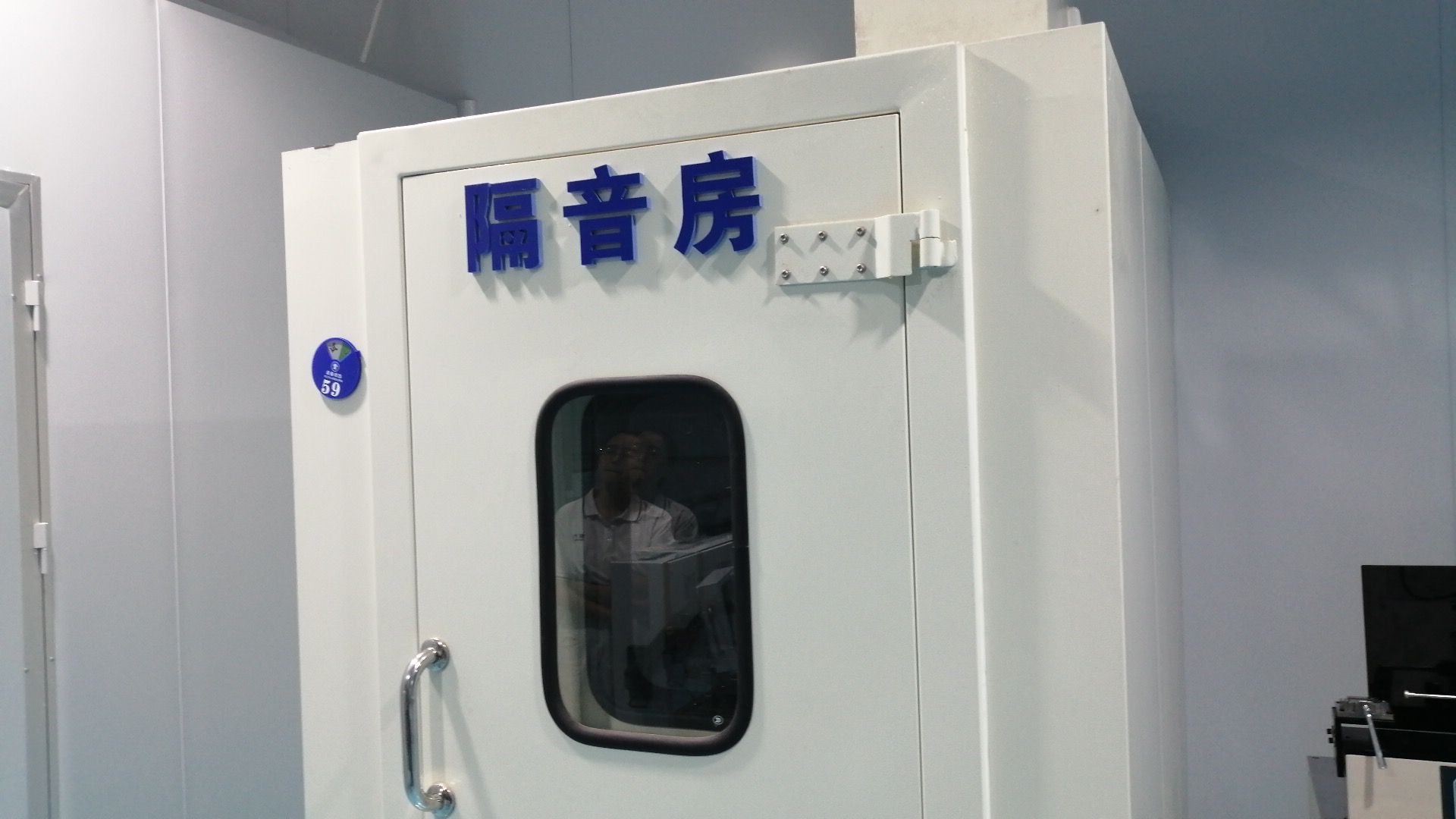
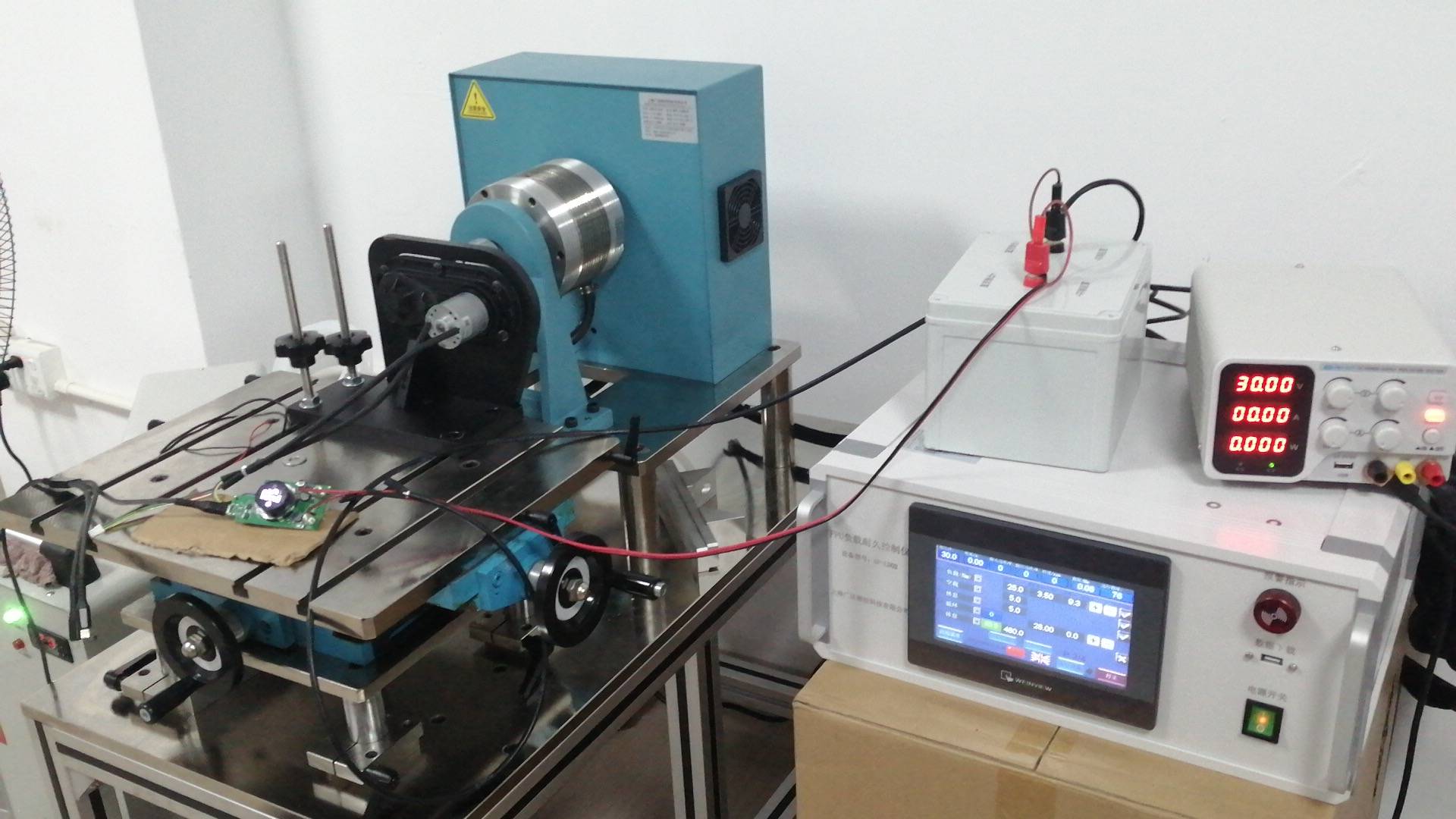
As micro-actuation systems undergo integration changes, the Taunton Motors R&D roadmap focuses on two high-growth sectors:
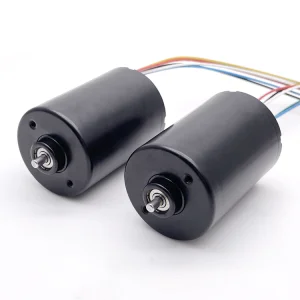
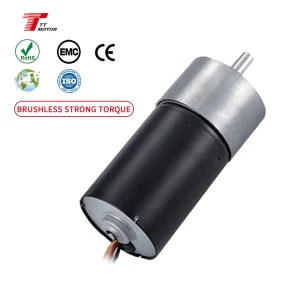
Modern collaborative robot (Cobot) joints demand real-time feedback loops. By integrating high-resolution optical and magnetic encoders directly onto the rear shaft of our brushless DC motors (12V-24V), we supply robotic system developers with plug-and-play servo actuators capable of sub-millimeter positional control.
To reduce system size while scaling torque capacity, we are shifting planetary gear development to 3D metal powder injection molding (MIM) and advanced gear shaving. This technology yields denser gear structures, reducing operational friction by 15% and increasing peak torque tolerance by nearly 30% compared to traditional hobbed gear configurations.
CE compliance ensures the motor meets basic health, safety, and electromagnetic compatibility requirements. Robotic components operate adjacent to humans; therefore, shielding against electromagnetic interference (EMC) is crucial to prevent controller instability or failure in industrial settings.
Coreless motors eliminate iron cores, bypassing cogging torque entirely. This ensures smooth, consistent rotation across all speeds, lowers rotor inertia, and dramatically improves transient response times—ideal for robotic grippers and delicate surgical joints.
Planetary gearboxes share load forces across multiple planet gears, boosting torque density within a compact shell. They also resist high impact forces and support higher reduction ratios with minimal mechanical backlash.
We conduct dynamic rotor balancing using specialized Japanese hardware, employ custom gear shaving in our Swiss hobbing machines, and test every production batch inside our dedicated acoustic testing chambers to guarantee noise levels stay below 35 dB.
Yes. By using advanced thermal test chambers, we qualify our motors to run reliably from -20°C to +85°C. For damp environments, we offer optional IP65/IP67 ingress coatings to protect critical winding circuits.