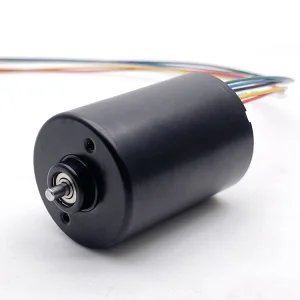
Taunton Motors Taunton Motors

Top 10 Vibration Motor Manufacturers & Suppliers

A Comprehensive Technical Whitepaper on Industrial Haptic Actuators, Global Sourcing Criteria, and Micro-Drive Manufacturing Capabilities

Global Vibration Motor Industry Landscape

The industrial and commercial landscape for vibration motors is undergoing a significant transformation driven by advancements in haptic feedback systems, wearables, medical devices, automotive interfaces, and smart home appliances. At their core, vibration motors—ranging from Eccentric Rotating Mass (ERM) actuators to Linear Resonant Actuators (LRA) and high-torque brushless DC (BLDC) configurations—serve as the mechanical interface between user interfaces and digital signals. According to recent market analysis, the global demand for micro-vibration components is scaling rapidly, fueled by the deployment of haptic touch screens in modern automotive infotainment dashboards, high-fidelity gaming systems, and clinical diagnostics equipment.

Historically, vibration motors were basic, low-precision indicators used primarily in cell phones and pagers. Today, industrial designers and electromechanical engineers require high-frequency accuracy, low power consumption, minimal acoustic footprints, and exceptional life expectancy. In demanding scenarios such as surgical tools or aerospace instrumentation, a failure in vibration feedback is not just an inconvenience—it is a critical system failure. Consequently, global procurement teams are shifting away from commoditized suppliers, focusing instead on manufacturers with advanced engineering standards, strict QA testing, and resilient material supply chains.

20M+
Annual Unit Output
< 0.05%
Defect Rate (PPM)
150+
CNC Hobbing Centers
100%
Acoustic Testing Passed

Directory of the Top 10 Vibration Motor Manufacturers

An authoritative analysis of leading global suppliers, ranked by engineering capacity, R&D infrastructure, and quality control capability.

01

Nidec Corporation

Headquartered in Japan, Nidec is a global giant in micro-motor technology. They specialize in high-efficiency brushless DC motors and lead the market in high-volume, premium LRA actuators used in smartphones and advanced touchpads.
Key Specialization: Linear Resonant Actuators, Ultra-thin Haptic Motors.
02

AAC Technologies

AAC Technologies is a premier supplier of acoustic and haptic components globally. Known for their deep integration with high-end smartphone OEMs, their linear actuators offer unmatched G-force feedback and latency control.
Key Specialization: High-performance X-axis Linear Motors.
03

Precision Microdrives

Based in the UK, Precision Microdrives provides comprehensive testing and validation capabilities, focusing on medical-grade vibration devices and highly reliable industrial-grade haptics.
Key Specialization: Medical equipment, customized industrial testing.
04

Taunton Motors

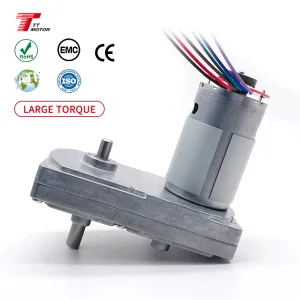
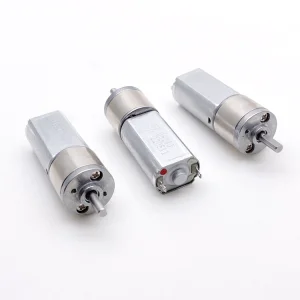
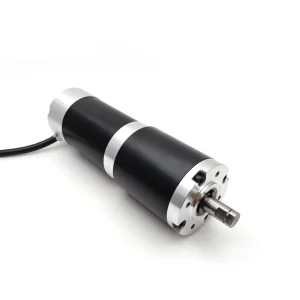
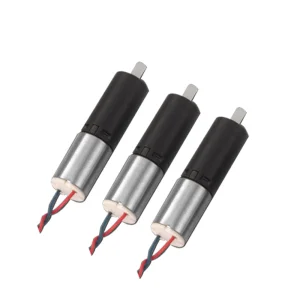
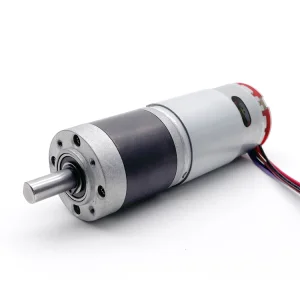
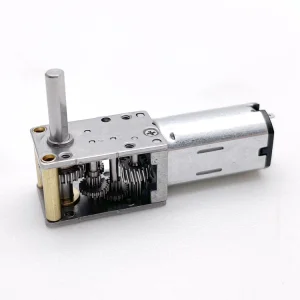
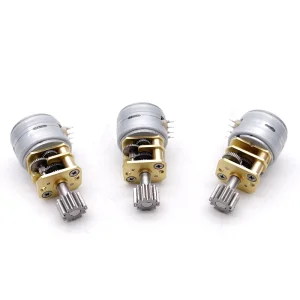
A leader in precision miniature drive systems and planetary gearboxes. Taunton Motors excels in packing high torque, silent acoustics, and zero-backlash engineering into micro configurations.
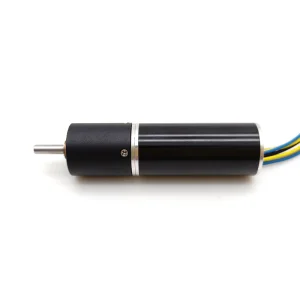
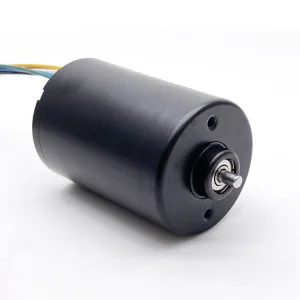
Key Specialization: Low-Noise Micro Geared Motors, High-Torque BLDC.
05

Jinlong Machinery & Electronics

One of China's largest manufacturers, Jinlong produces millions of cylindrical and coin-type vibration motors monthly, supporting massive automotive and wearable industries.
Key Specialization: Coin-type ERM Motors, Automotive SMT Actuators.
06

Vybronics

Specializing solely in haptic feedback devices, Vybronics has deep expertise in standard ERM, LRA, and piezoelectric actuators for industrial handhelds and medical devices.
Key Specialization: Low-cost, high-reliability ERM coin motors.
07

MinebeaMitsumi

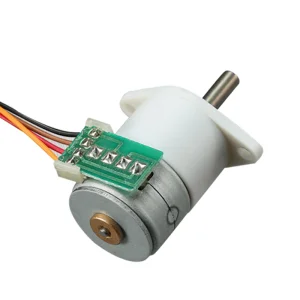
A diversified manufacturer that produces highly accurate micro-ball bearings and stepping motors, critical for heavy-duty industrial vibrator units and aerospace instruments.
Key Specialization: High-end industrial bearings and stepper haptics.
08

Johnson Electric

A global leader in micro-motion subsystems, Johnson Electric offers robust vibration motor designs built for heavy automotive use-cases and smart HVAC damper controls.
Key Specialization: Automotive infotainment actuator integration.
09

Sankyo Seiki (Nidec Sankyo)

Nidec Sankyo provides specialized motors featuring high structural rigidity, ensuring that vibration feedback is maintained consistently over hundreds of thousands of duty cycles.
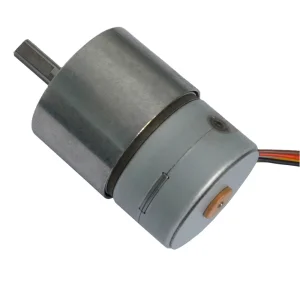
Key Specialization: Stepper motors with integrated eccentric masses.
10

Kotl (KOTL Micro Motor)

A key supplier in the smart wearable ecosystem, Kotl specializes in low-profile, ultra-compact vibration components optimized for smartwatches and IoT tracking tags.
Key Specialization: Ultra-miniature coin-type LRA motors.

The Chinese Factory Advantage: Scaling Efficiency and Engineering Precision

When analyzing supply chains for micro mechanical motors, China remains the epicenter of cost efficiency, scalability, and technical innovation. Over the past decade, Chinese factories have transitioned from simple low-cost manual assembly lines to state-of-the-art automated manufacturing ecosystems. This evolution has created an unparalleled vertical integration advantage: raw materials, magnetic materials, precision tooling machines, CNC centers, and advanced quality assurance instrumentation are located within the same industrial cluster hubs, such as Zhejiang and Guangdong provinces.

Moreover, Chinese manufacturers have heavily invested in high-precision automated systems. The integration of Swiss-style gear hobbers, automatic winding machines, and multi-axis lathing machinery minimizes the human-error vector. The result is a dramatic increase in manufacturing yield and uniformity. Procurement departments globally leverage Chinese manufacturing for:

  • Massive Economies of Scale: Ability to ramp up production from small test runs to millions of units per week without quality degradation.
  • Deep Supply Chain Integration: Instant sourcing of high-grade copper wires, rare-earth magnets, and precision plastic components.
  • Rapid Prototyping: Turnaround cycles for custom shaft lengths, eccentric masses, or tailored gear ratios are measured in days rather than months.
  • Cost-to-Value Ratio: Highly competitive unit pricing while meeting international compliance structures (CE, RoHS, REACH).

Localized Application Scenarios: Where Vibration Tech Matters

Modern applications require distinct vibration profiles. From silent alerts to high-amplitude mechanical movement, micro-drives must adapt.

Automotive Cockpit & Haptics

Modern vehicles use tactile feedback on infotainment touchscreens, steering wheels, and accelerator pedals to alert drivers of lane drift or confirm input actions. High-temperature tolerance (-40°C to +85°C) and robust physical housing are critical parameters for these applications.

Wearable Health Trackers

Devices like smartwatches, sleep monitors, and vital-sign trackers require ultra-small coin-type vibration motors or tiny LRAs. Energy efficiency is vital, as power draw directly limits the standby time of battery-constrained mobile products.

Industrial Smart Locks

High-security locking mechanisms rely on micro geared dc motors with integrated vibration dampeners. These assemblies must deliver high startup torque to actuate physical deadbolts and provide clear tactile feedback to the end-user.

Mastering the Micro-Universe: The Taunton Motors Standard

At Taunton Motors, we measure our success in micrometers and decibels. We understand that inside a premium robotic joint, a medical dosing pump, or a high-end smart lock, space is the ultimate luxury. Our mission is to pack maximum torque, unyielding durability, and near-silent acoustics into the most compact footprints imaginable.

Our expertise lies in the harmony of miniature engineering. From precision-wound rotors and high-purity copper commutators to custom-designed planetary gearheads, every component inside a Taunton Motors micro motor is optimized for low energy consumption and a friction-free lifespan. We constantly push the limits of micro-drive tech, utilizing advanced automated Swiss-style hobbing and Japanese dynamic balancing to ensure that our internal gear trains operate with zero-backlash precision. When the integrity of your high-tech device hangs on repeated mechanical perfection, Taunton Motors delivers the silent power that anchors your design.

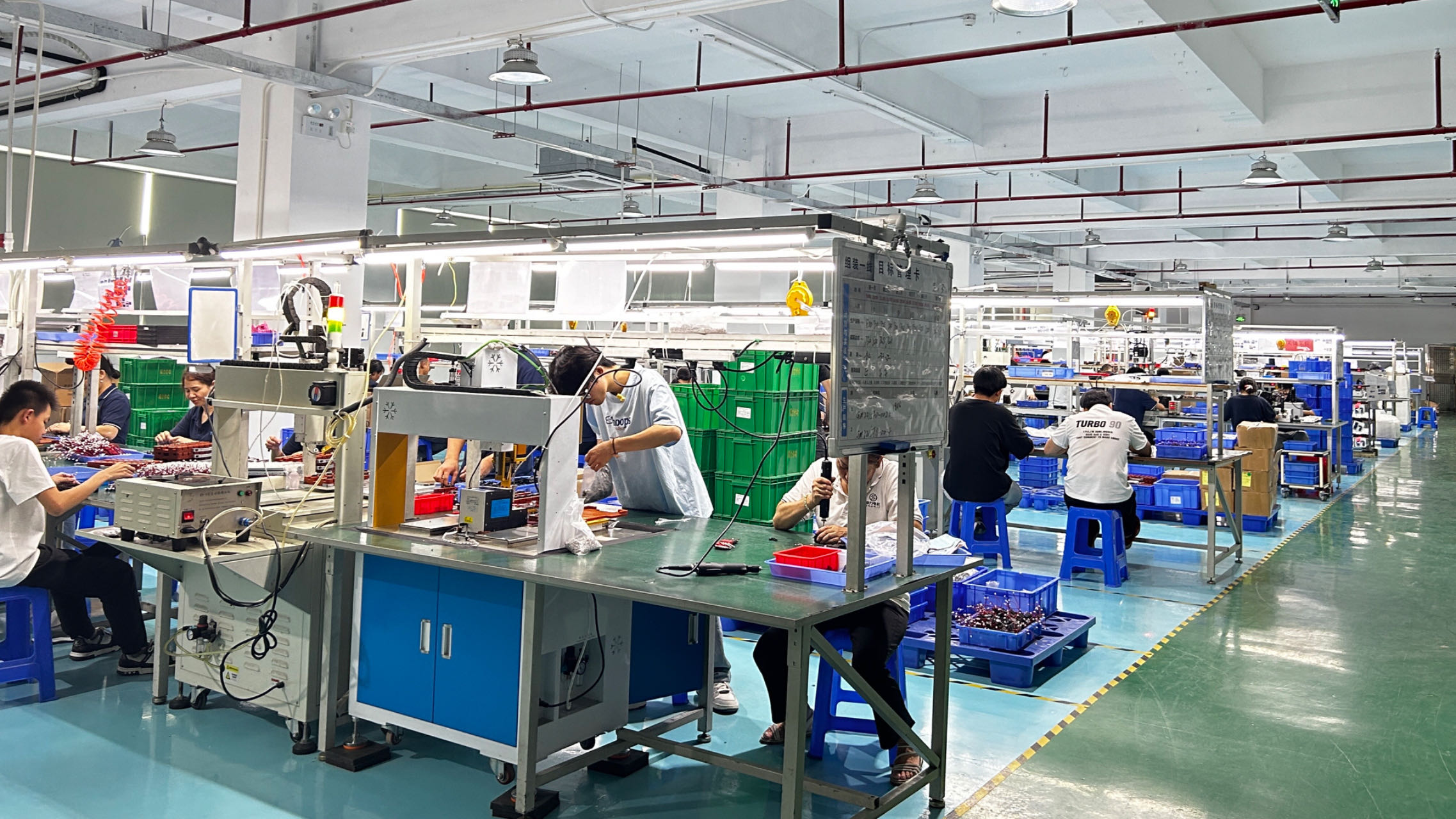
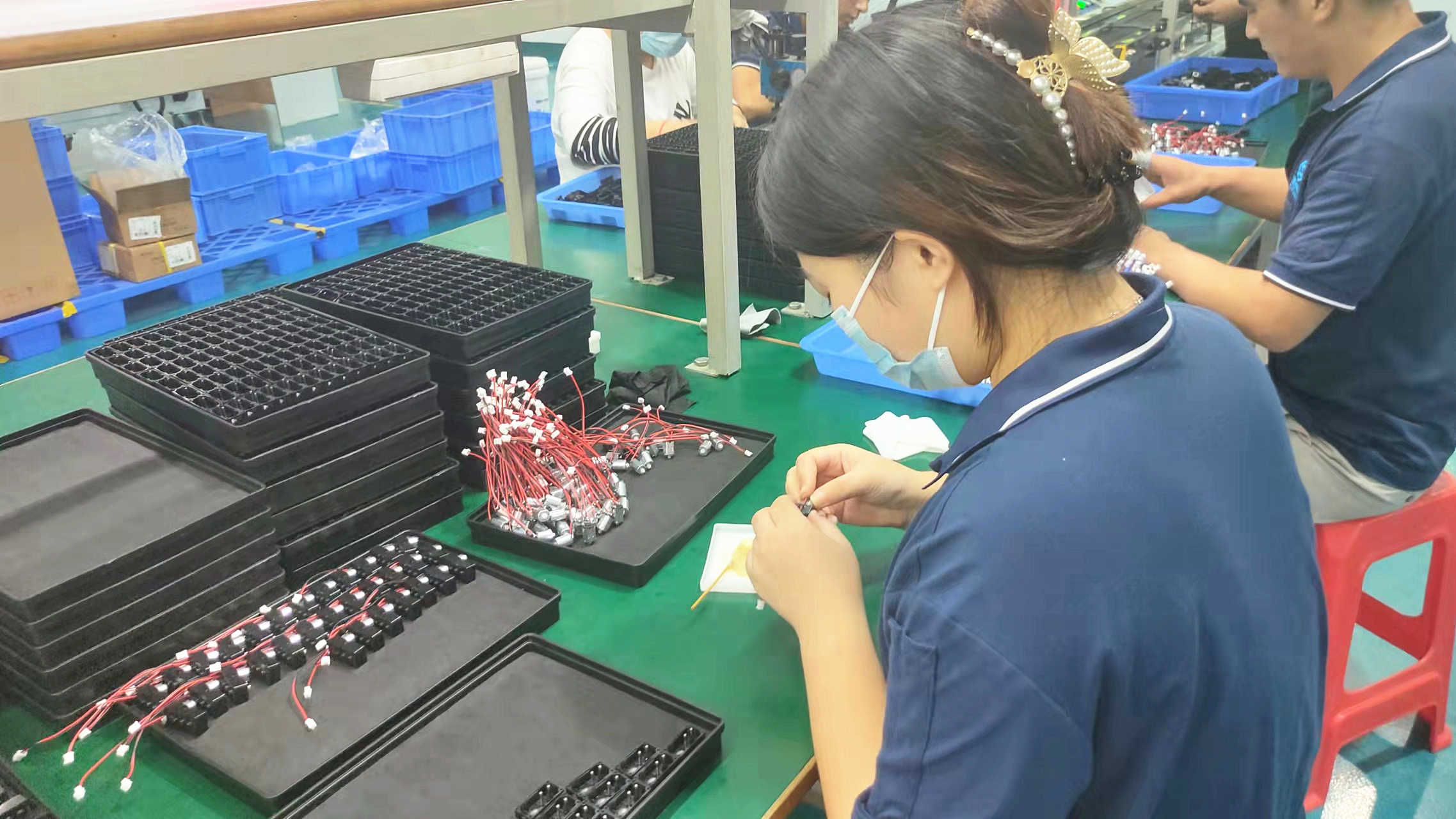
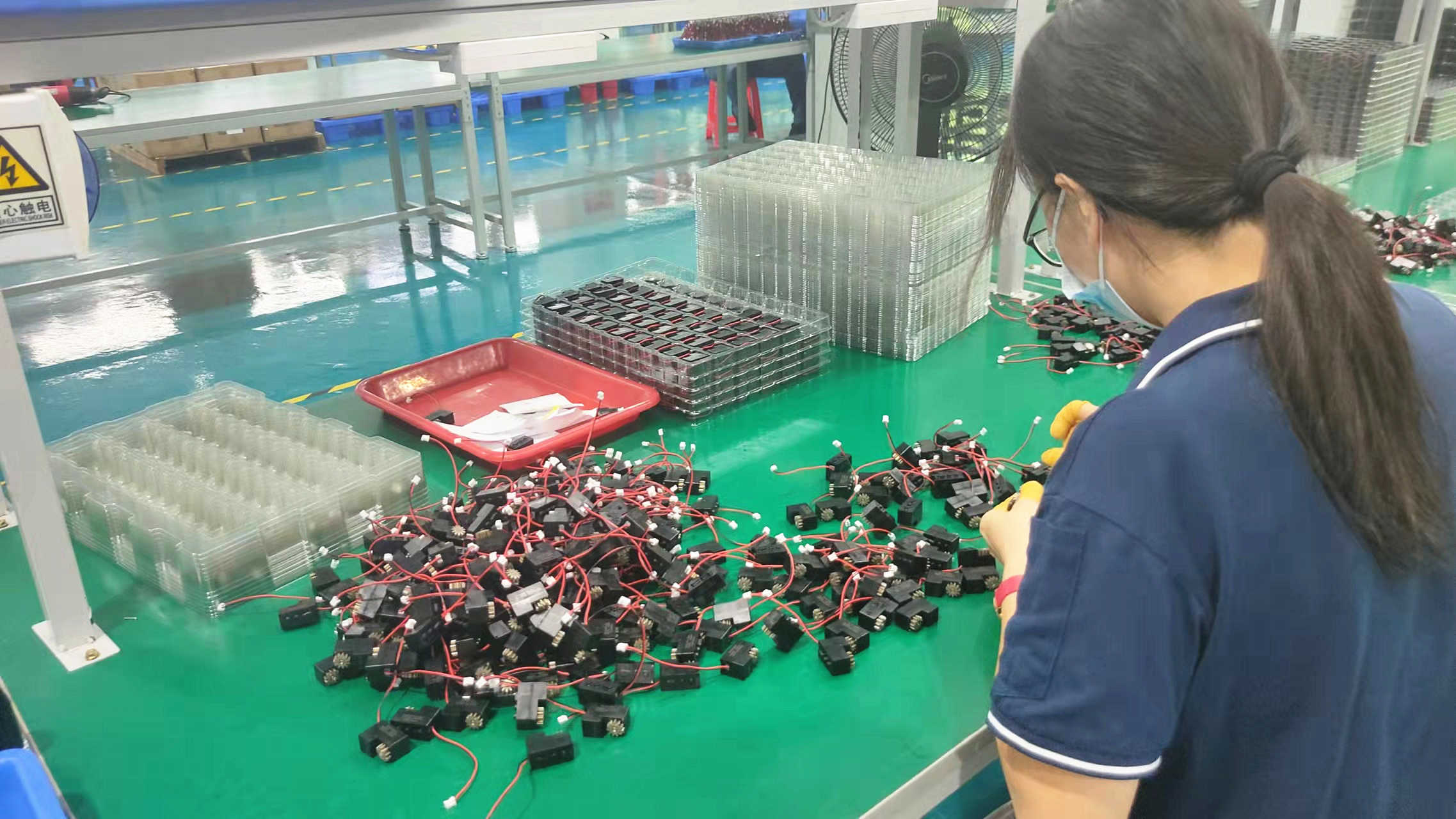
Taunton Motors Factory Floor Detail
Taunton Motors Precision Line
Automated Manufacturing Setup
High Tech Production Machinery
Cleanroom Operations
Final Quality Inspection Area

Core Manufacturing Steps & Quality Workstations

A transparent breakdown of our step-by-step assembly process, guaranteeing extreme mechanical uniformity.

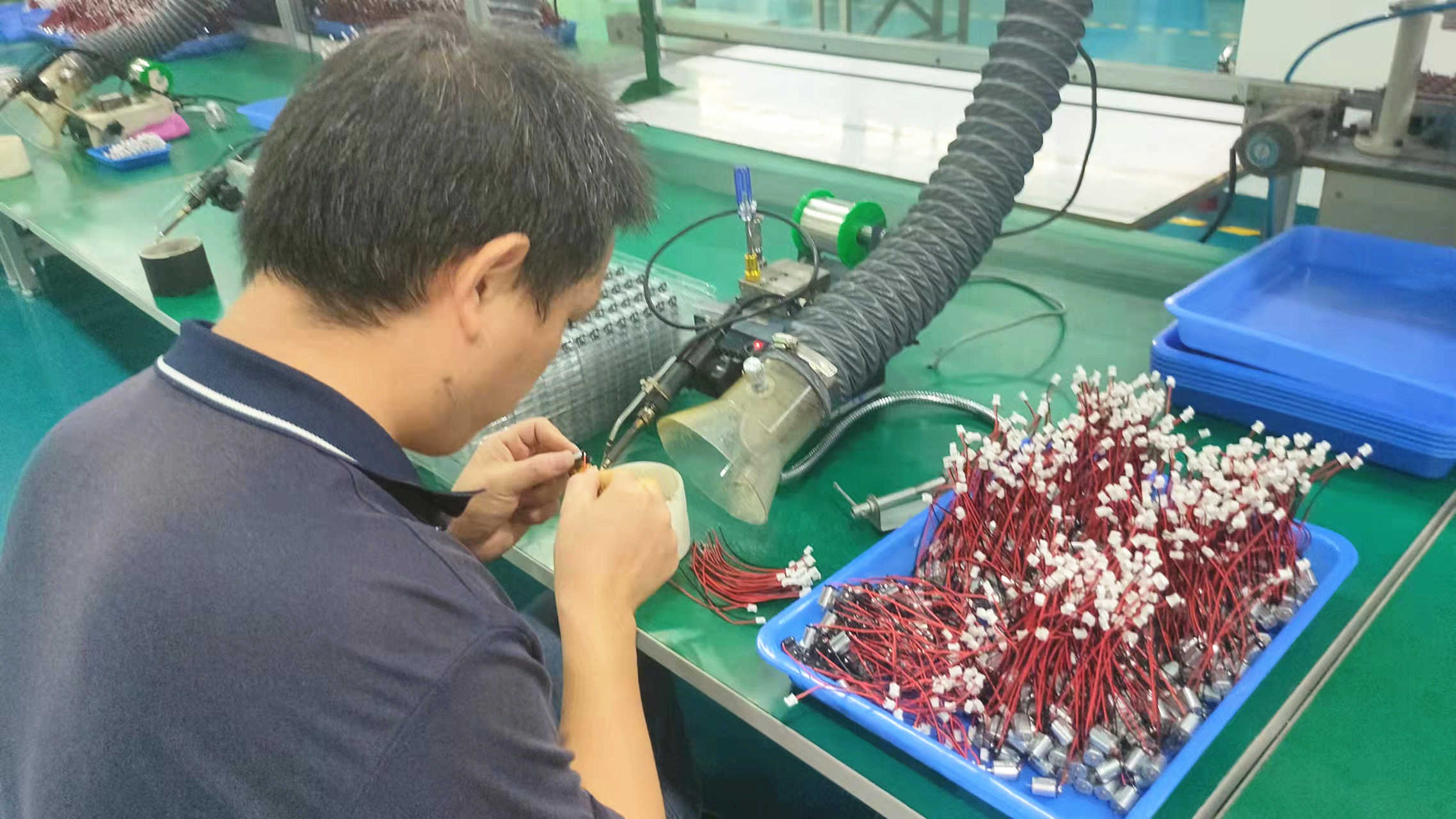
Raw Material Inspection
Raw Material Preparation
Soldering Station
Precision Soldering
Assembling Station
Micro Assembly
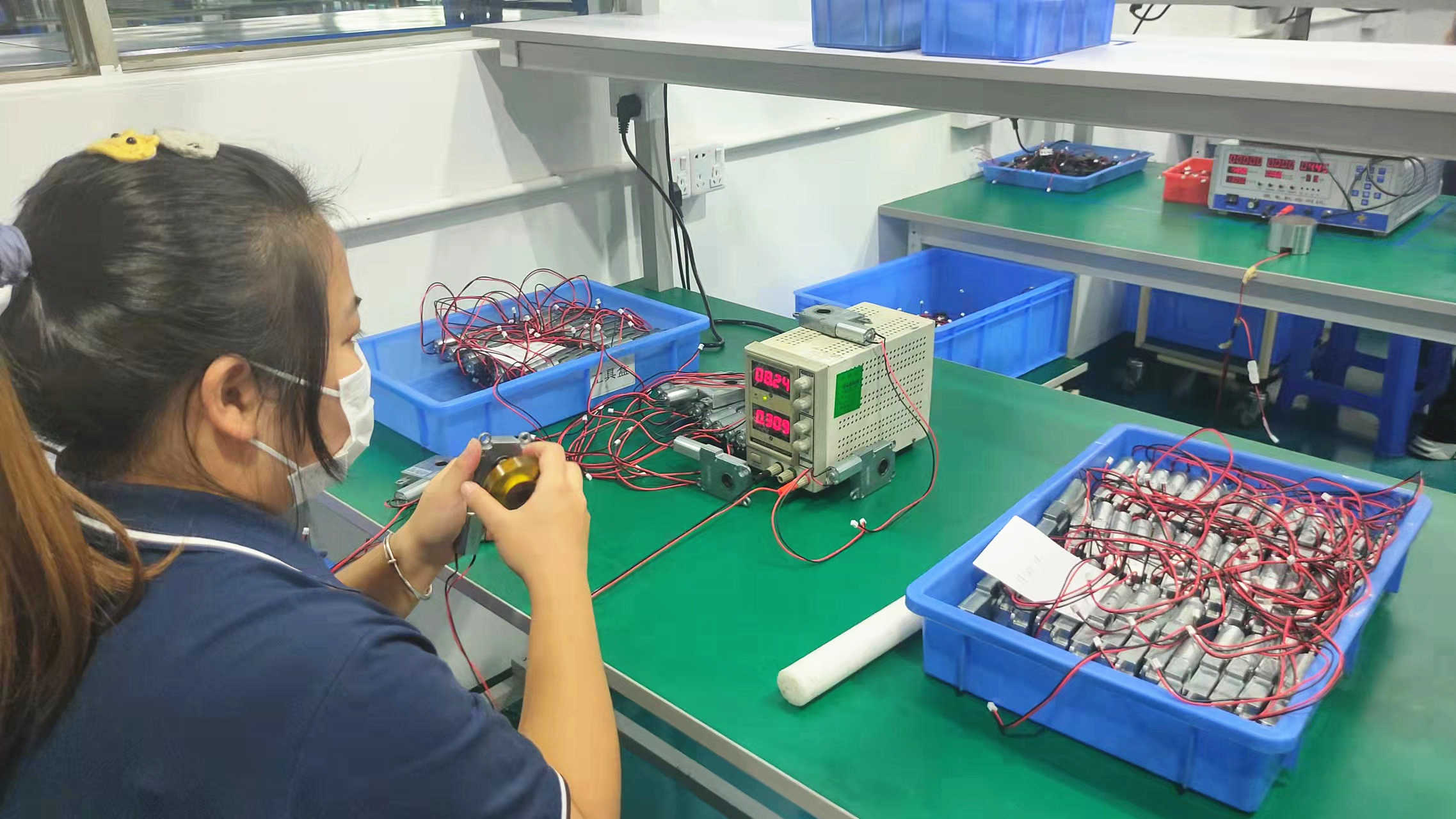
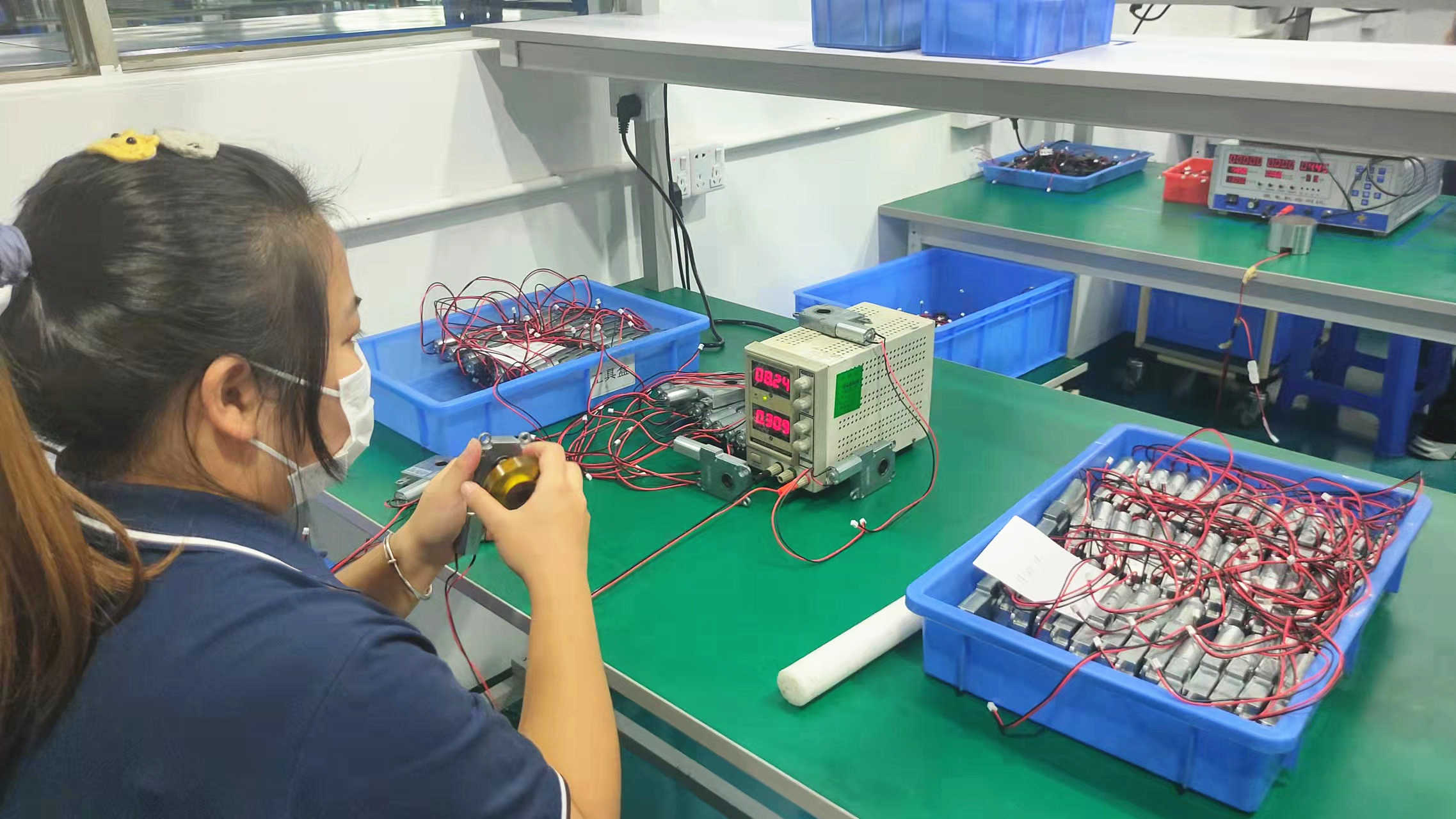
Testing Station
Dynamic Testing
Packing Station
Protective Packing
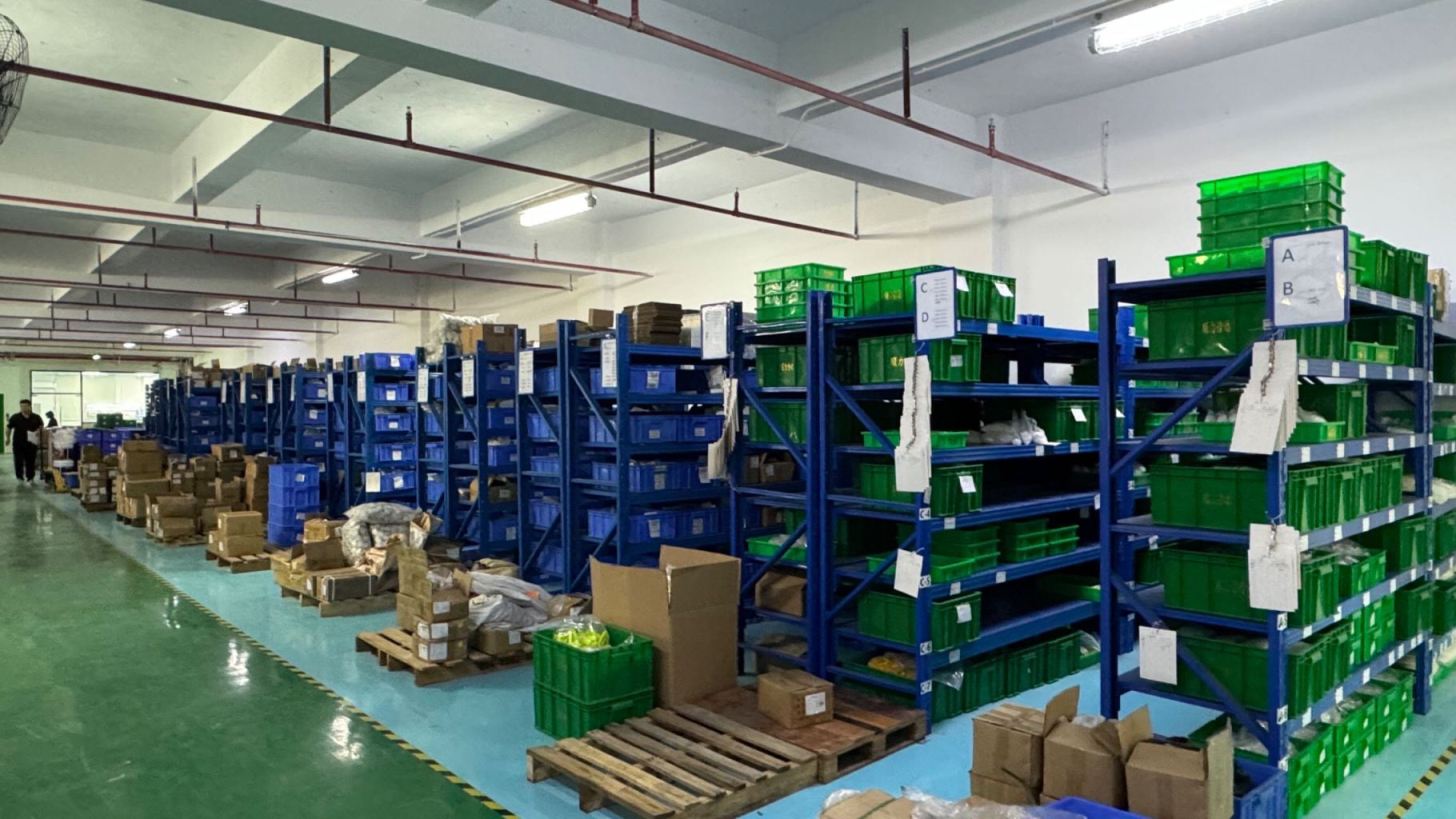
Storage Area
Climate-Controlled Storage

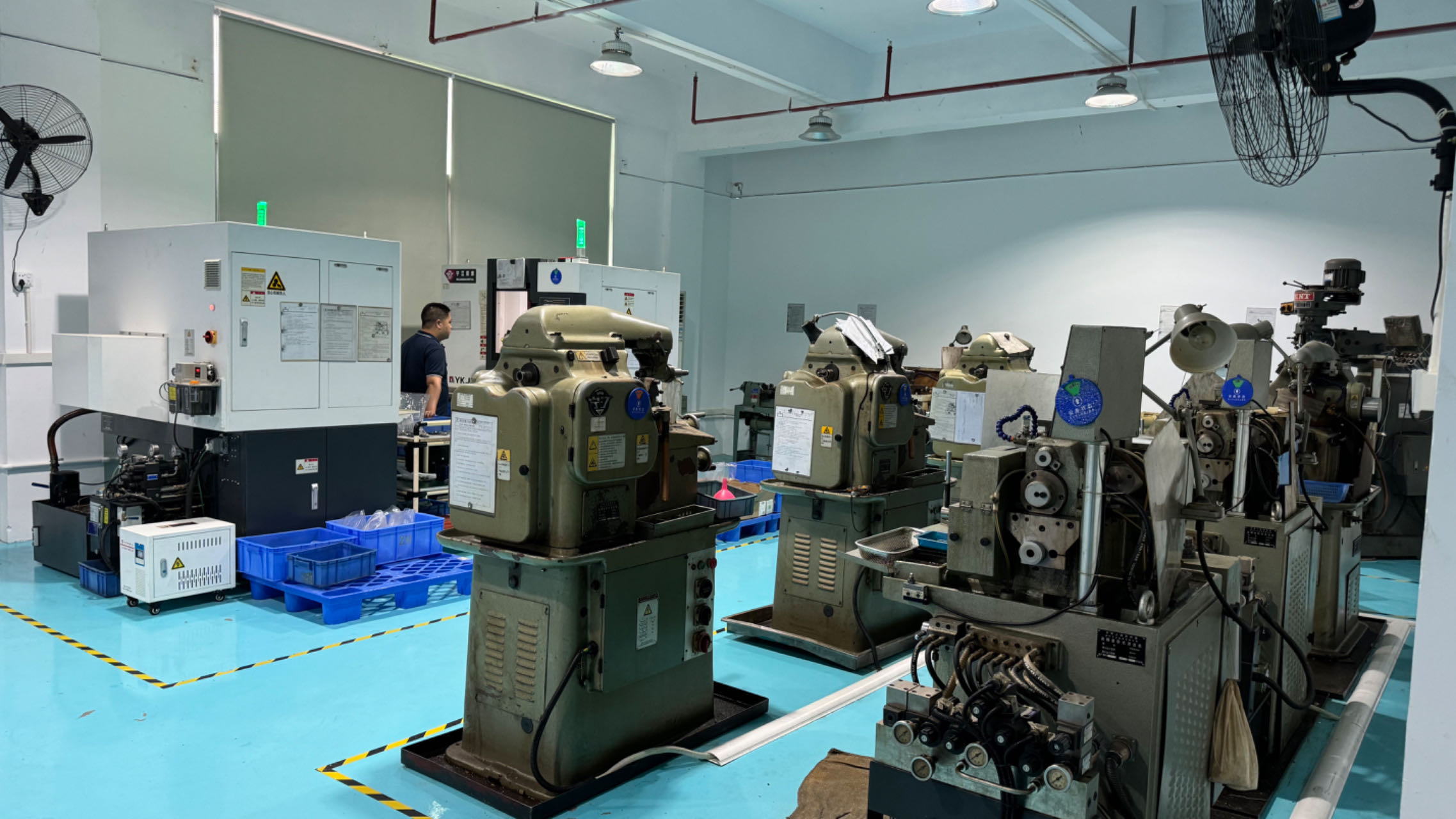
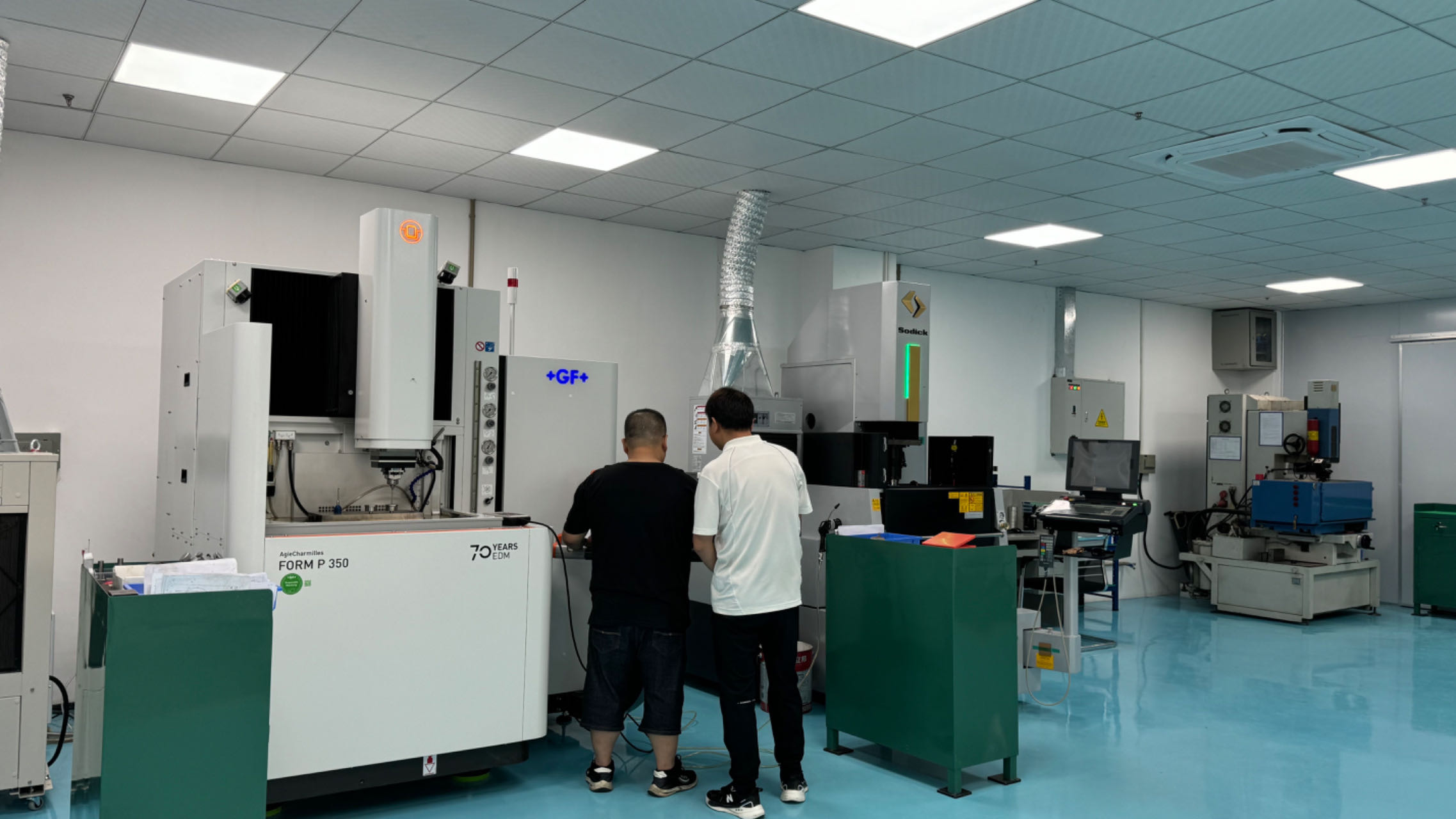
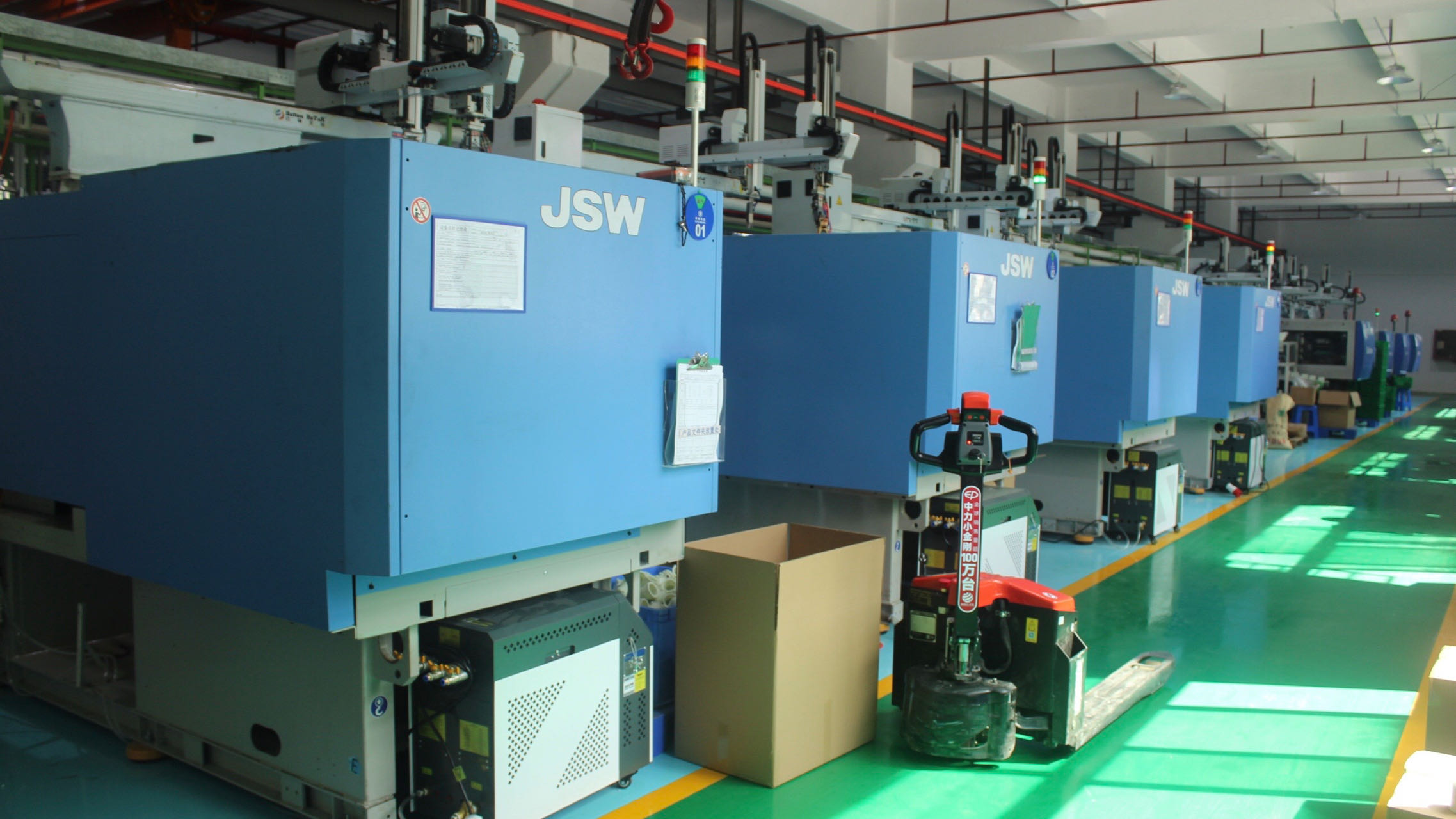
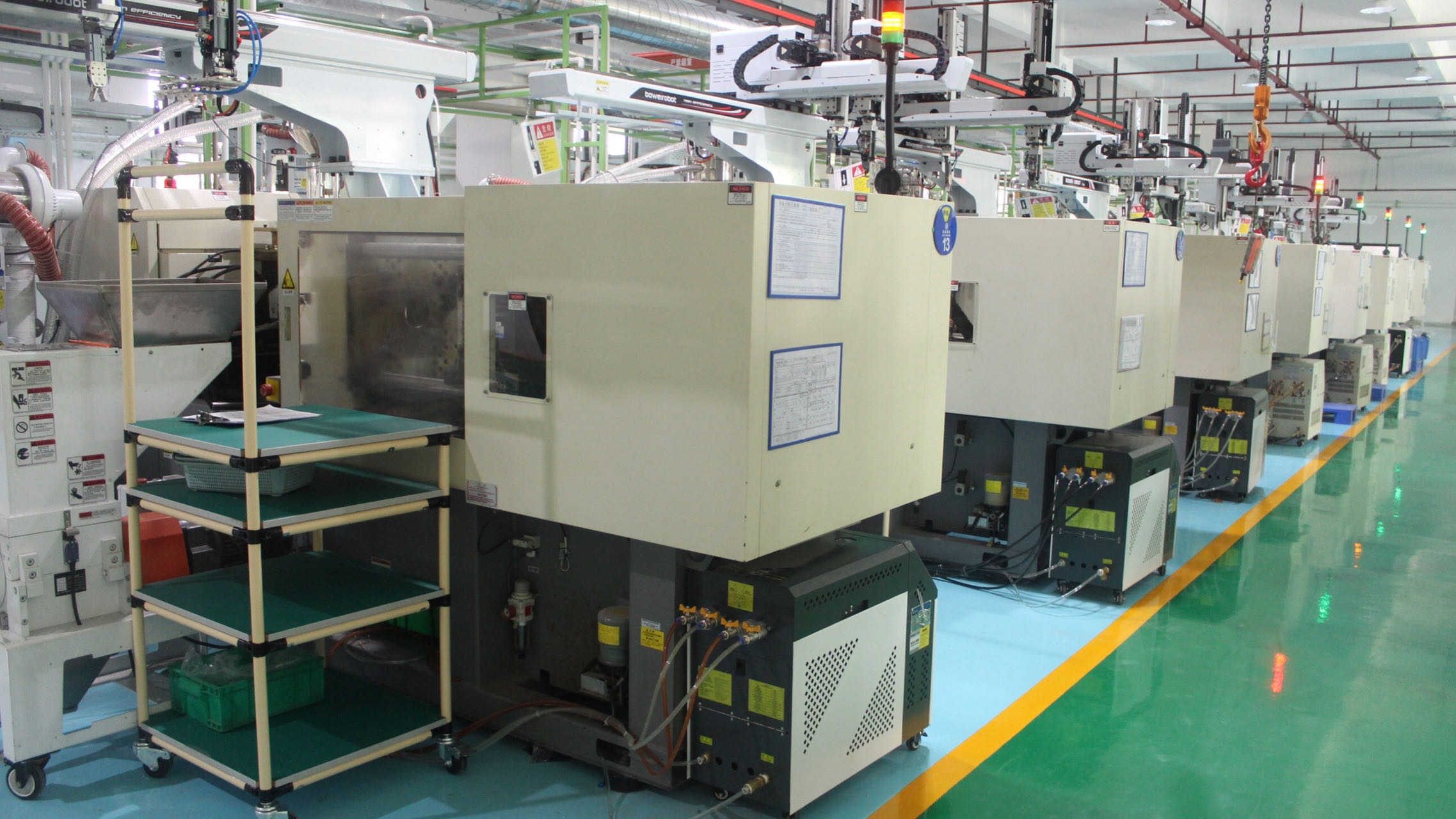
Heavy Machinery & CNC Processing Centers

High-precision machinery utilized to manufacture dynamic gear reducers, shaft components, and micro rotors.
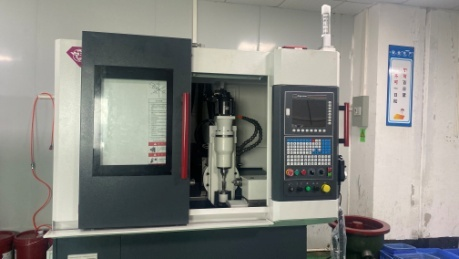
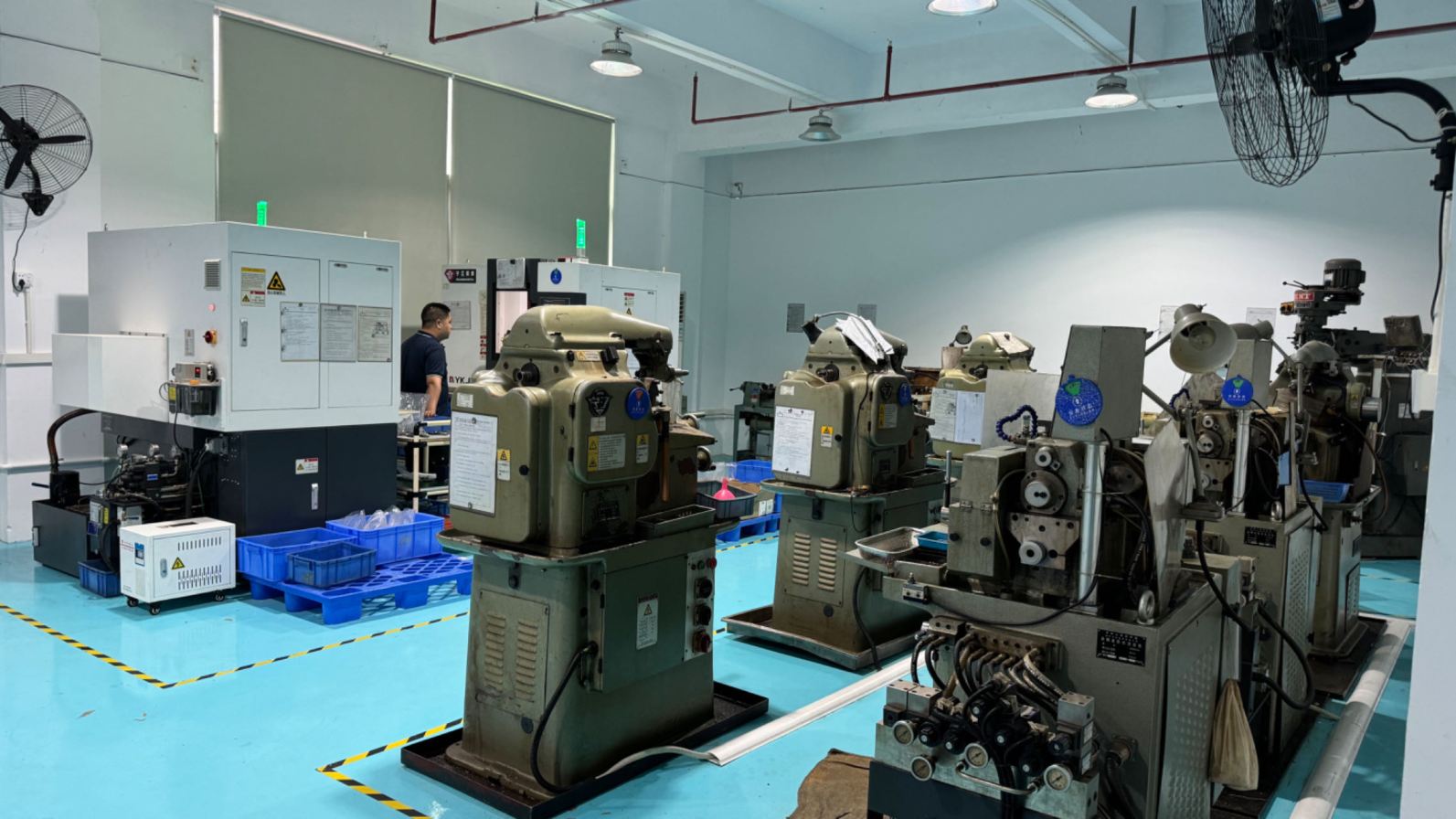
NINGJIANG MACHINE TOOL
High Precision Horizontal Gear Hobbing Machine
Horizontal Gear Hobbing Machine
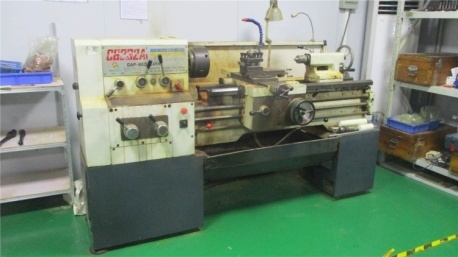
Lathing Machine
High Precision Lathing Machine
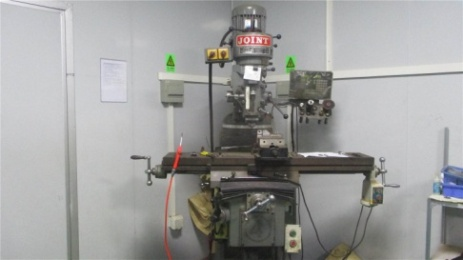
Milling Machine
Multi-Axis Milling Machine
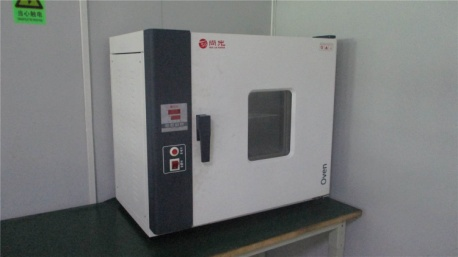
Drying Oven
Constant Temp Drying Oven
Automatic Gear Riveting Machine
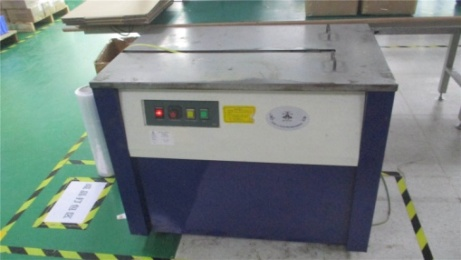
Packing Machine
Automated Packing Line
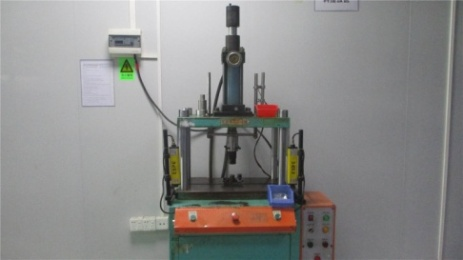
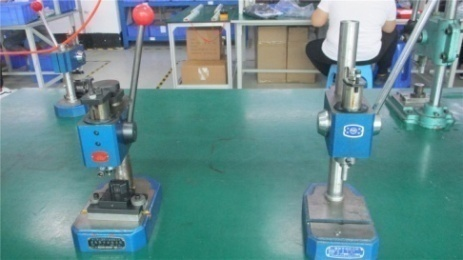
Pneumatic Pressing Machine
Manual Pressing Machine
Manual Precision Press
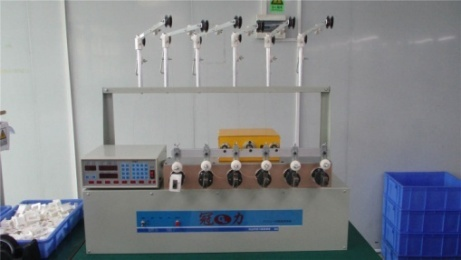
Computer Wire Winding Machine
CNC Wire Winding Machine
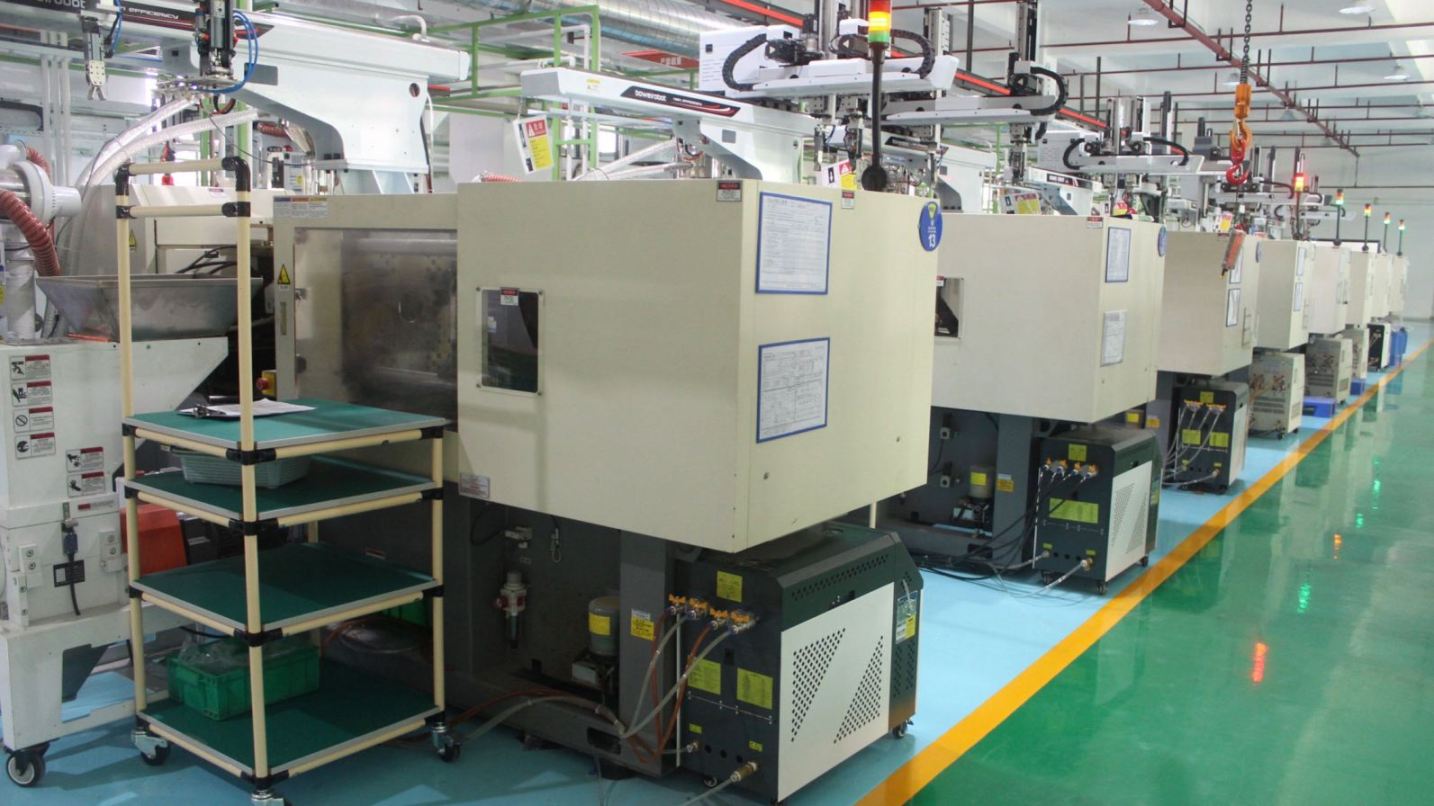
Injection Machine
Precision Molding & Injection
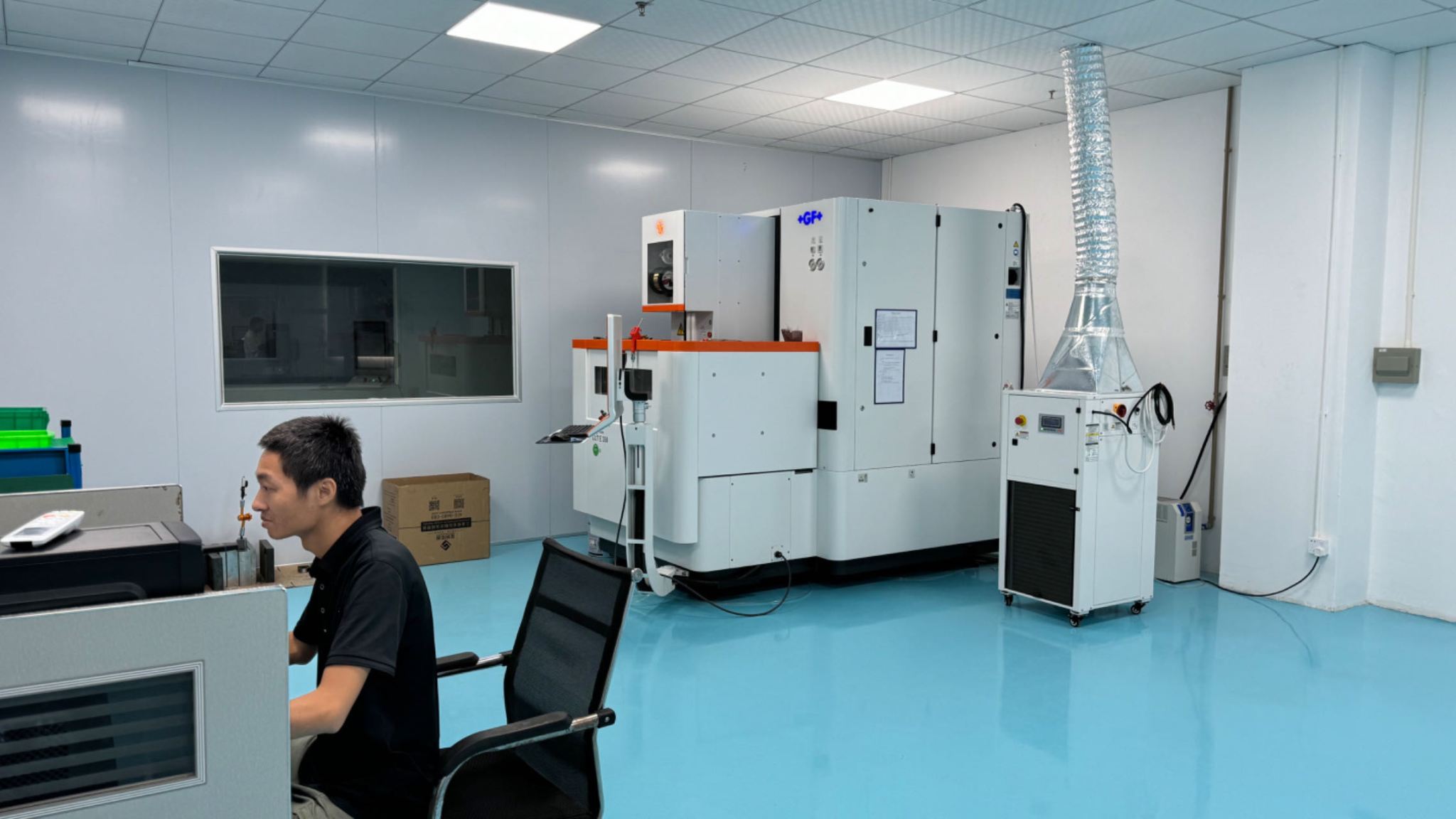
Slow-feeding NC wire-cut machine
Slow-feeding NC Wire-cut
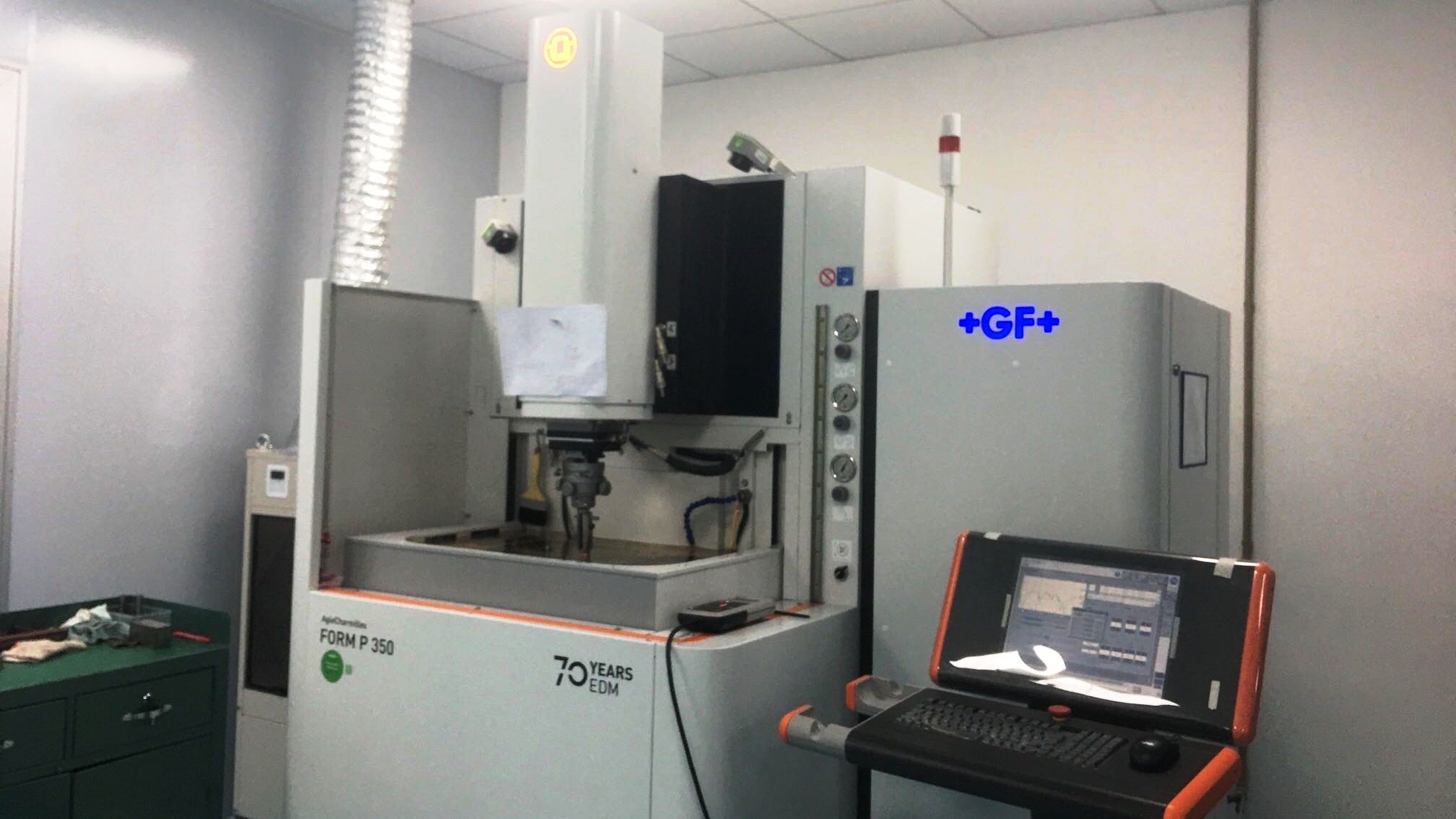
EDM
Electrical Discharge Machining (EDM)
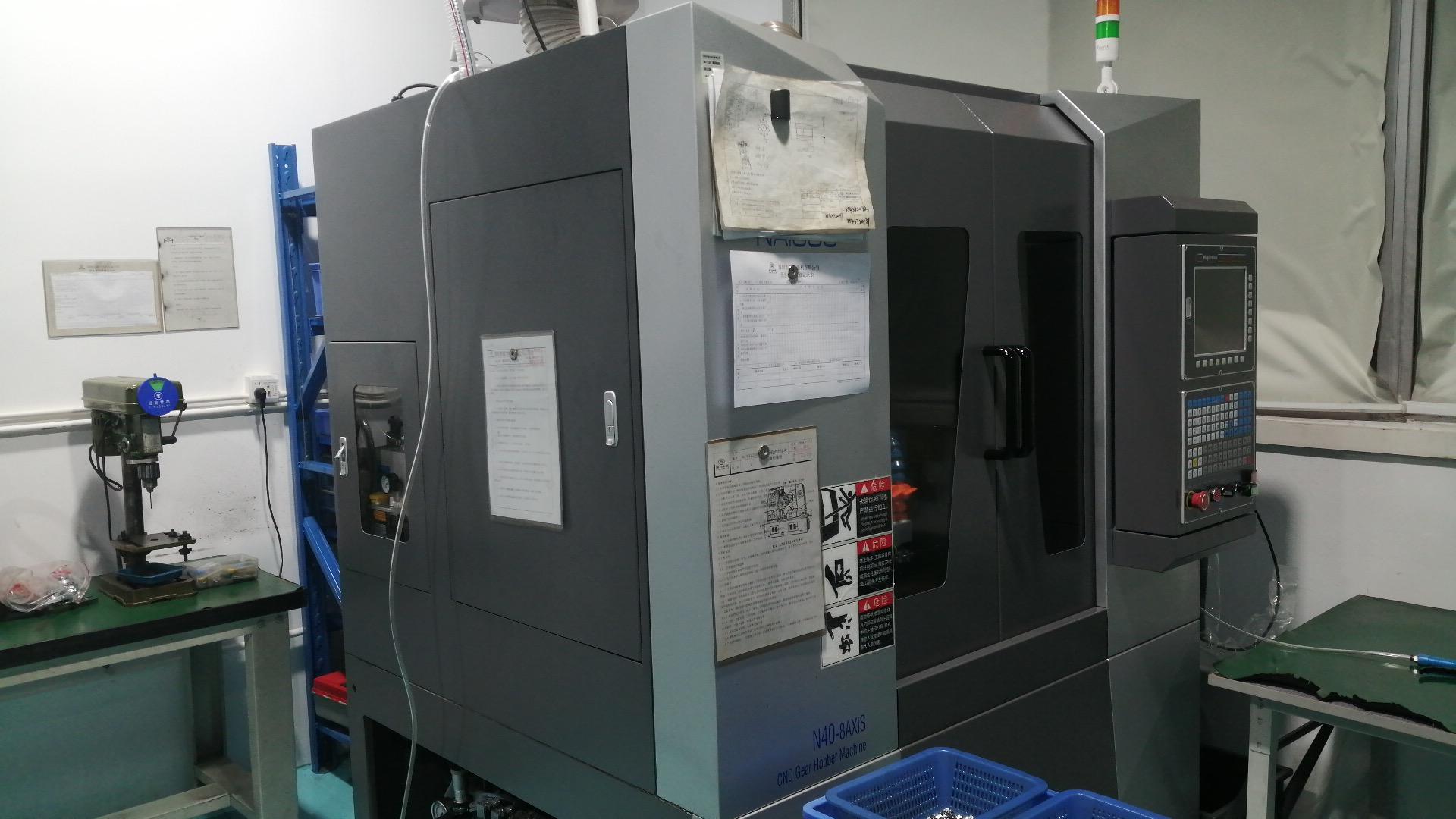
Hobbing Machine
High Precision Hobbing Machine
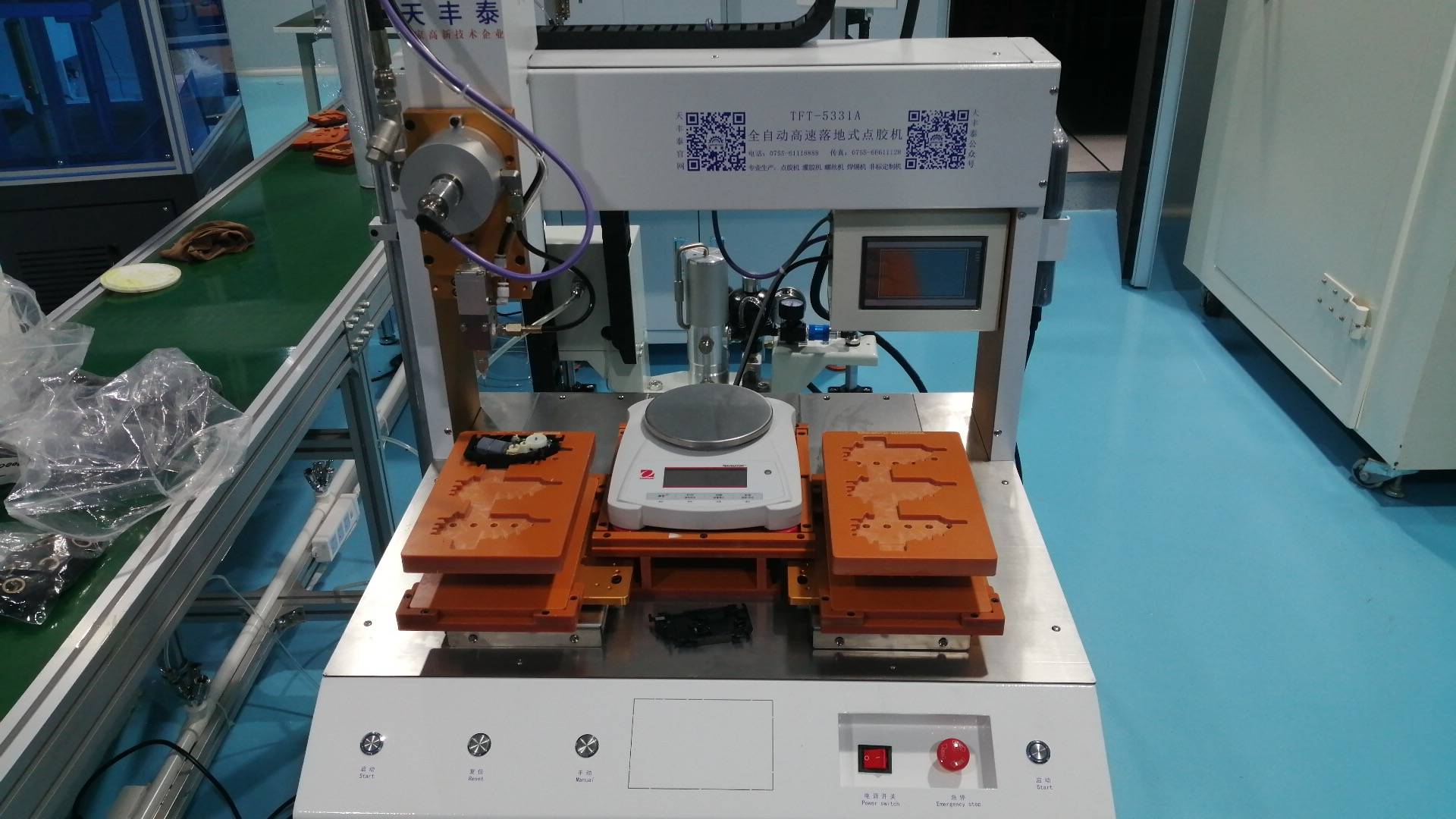
Glue Dispenser
Automatic Glue Dispenser

Quality Control Labs & Testing Chambers

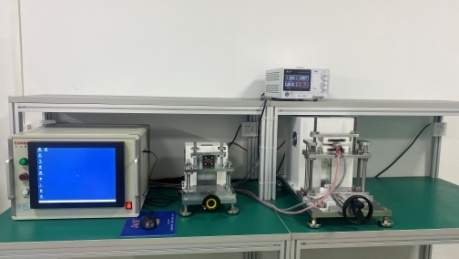
Every single motor batch undergoes rigorous climate, vibration, durability, and acoustic screening before shipping.
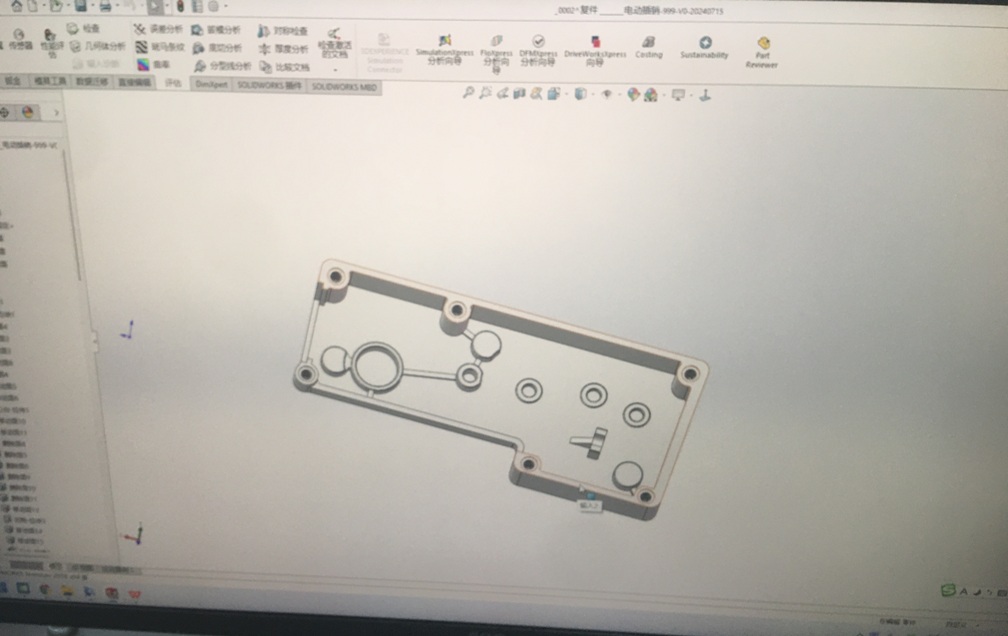
Design Verification
CAD/CAE Design Office
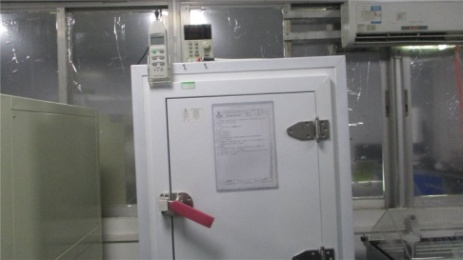
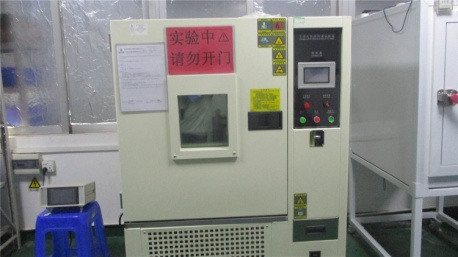
Programmable Constant Temp Testing Chamber
Temp & Humidity Testing
Noise Testing Chamber
Acoustic & DB Testing Chamber
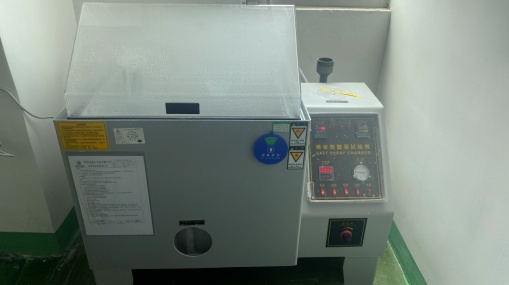
Salt Spray Testing Machine
Anti-Corrosion Salt Spray Test
Qc Checking
QC Checking Station
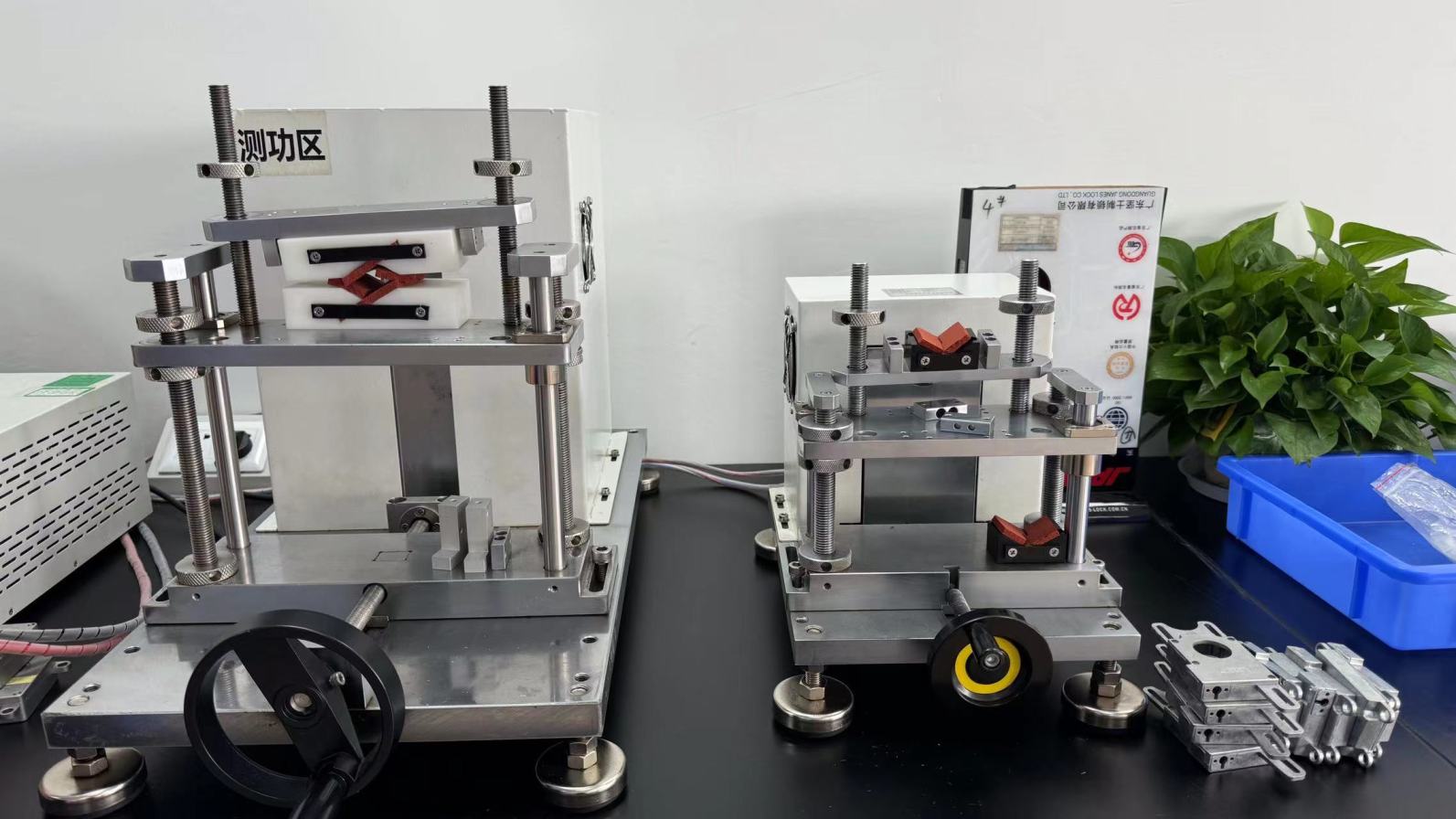
Dynamometer Machine
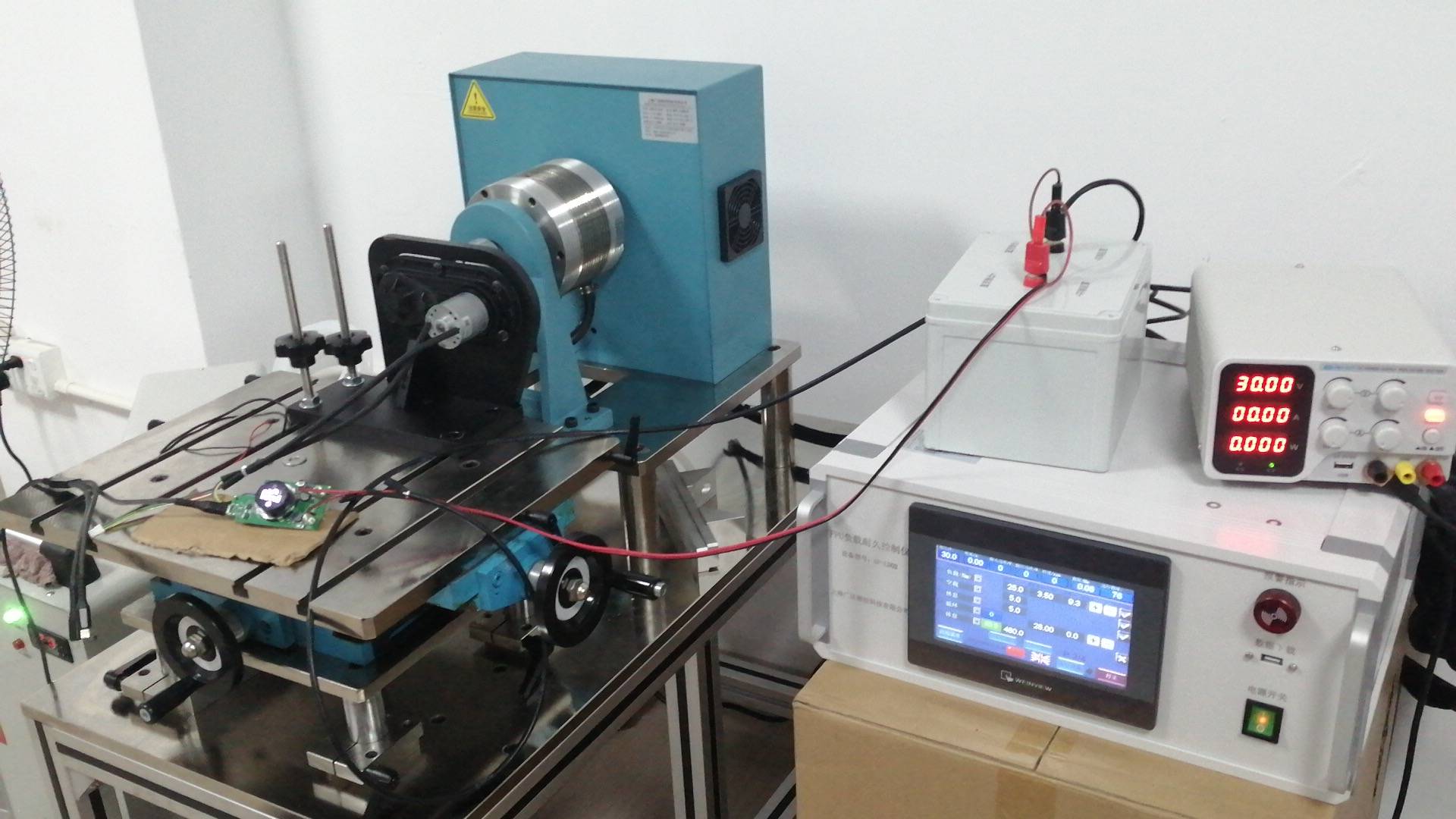
Dynamometer Testing
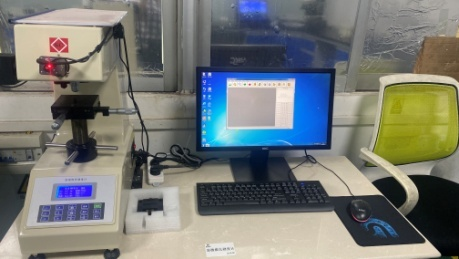
Hardness Tester
Metal Hardness Analysis
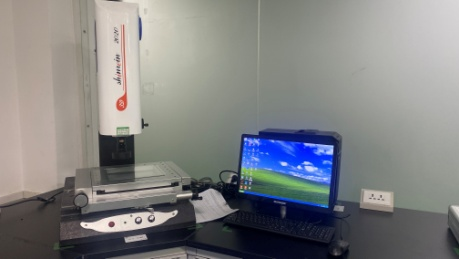
Video Measuring Instrument
Optical Video Measurement
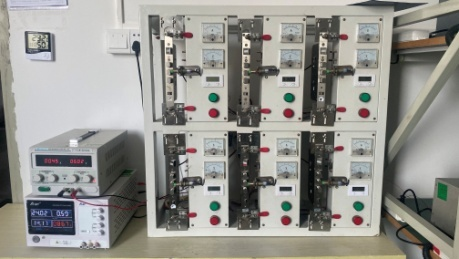
Aging Shelf
Continuous Duty Cycle Aging
Motor Testing Machine
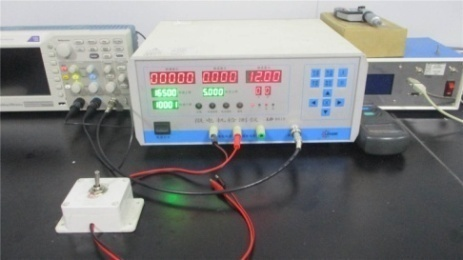
Electrical Characteristics Test
Microscope
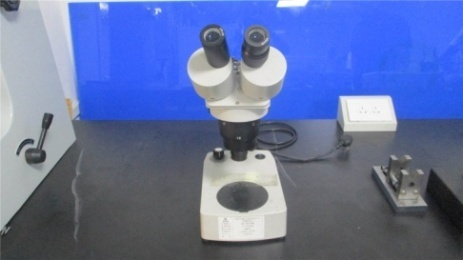
Stereoscopic Microscope Analysis
Digital Oscilloscope
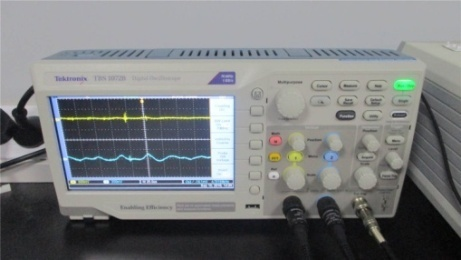
Digital Signal Oscilloscope
Soundproof Room
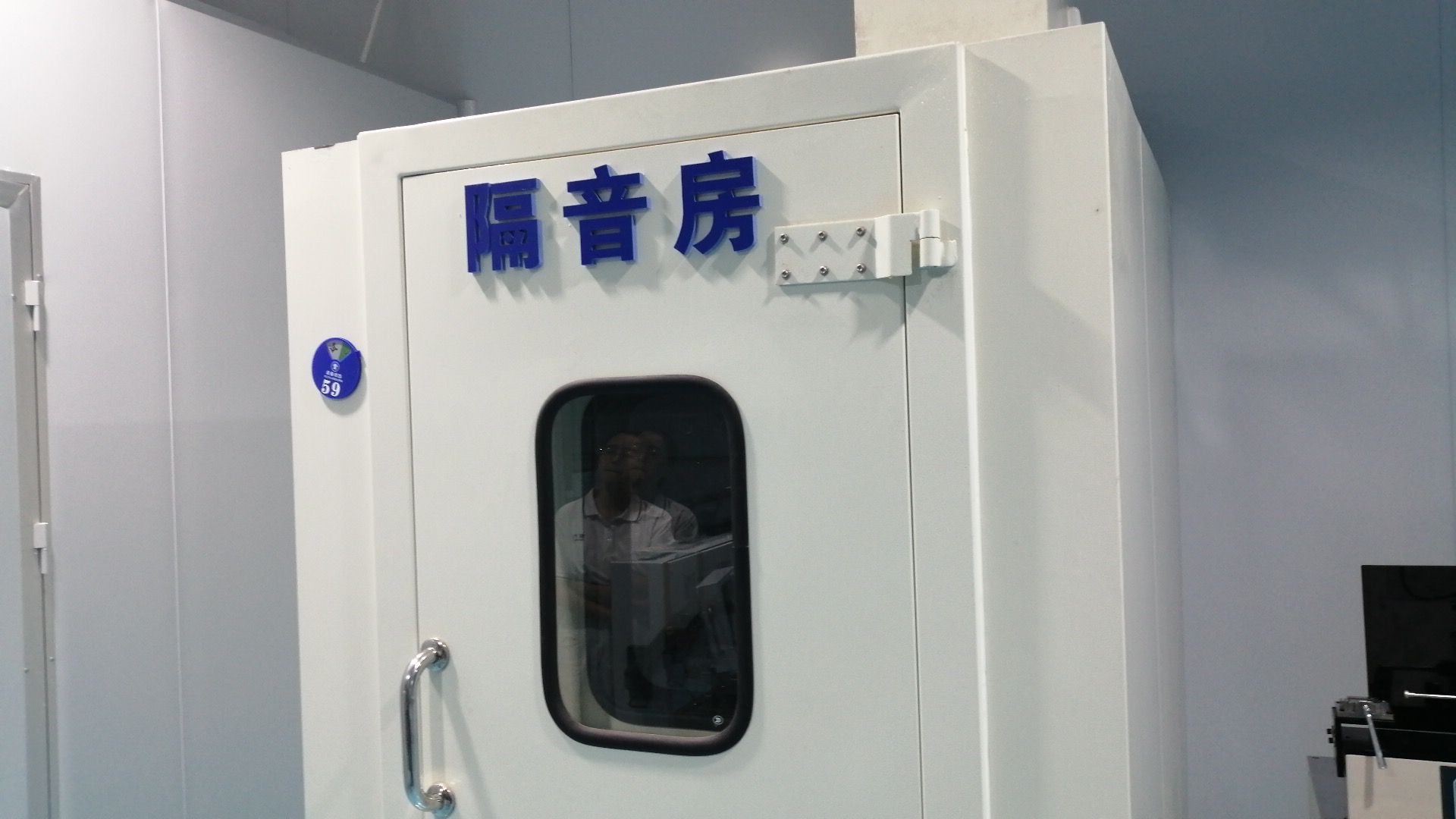
Soundproof Anechoic Chamber
Magnetic Powder Testing Machine
Magnetic Flux Particle Testing

Future Technological Trends in Haptic Actuators

As smart devices become thinner, lighter, and more interconnected, several technological trends are shaping the future of vibration motor design:

The Shift from ERM to X-Axis LRA

Eccentric Rotating Mass (ERM) motors are increasingly being replaced by Linear Resonant Actuators (LRAs), especially in applications requiring detailed tactile feedback. X-Axis LRAs offer superior startup and brake times (typically under 10ms), enabling crisp, localized feedback that mimics mechanical clicks or textures.

Brushless DC (BLDC) Integration

Traditional brushed motors are constrained by brush wear and electromagnetic interference (EMI). High-reliability environments such as automotive displays and industrial safety tools are adopting brushless vibration designs that dramatically extend lifetime limits to over 10,000 operational hours.

Wideband & Piezo Haptics

Piezoelectric haptic actuators represent the cutting-edge of physical feedback, capable of vibrating across a broad spectrum of frequencies. This permits complex sensations (like replicating different texture feelings or variable alerts) while maintaining a thickness profile under 1mm.

Sourcing Guide: Key Procurement Metrics

When vetting vibration motor manufacturers, engineering and supply chain managers must verify several critical criteria to guarantee compliance and performance stability.

1. Performance Parameters

  • G-Force Acceleration: Defines the strength of the vibration. Typically measured in Grms (Root Mean Square).
  • Response Latency: Rise time (time to reach 50% G-force) and stop time (time to drop below 0.05G).
  • Resonant Frequency: Essential for LRAs to match driver IC outputs, usually optimized around 150Hz - 230Hz.

2. Quality Control & Testing

  • Acoustic Isolation: Testing noise decibels at a distance of 10cm, ensuring sound remains under 50 dBA.
  • Drop & Impact Testing: Evaluating structural integrity when subjected to repeated impacts and vibrations.
  • Life Expectancy Validation: Continuous MTBF tracking using simulated operational environments.

3. Certifications & Standards

  • IATF 16949: Essential certification for automotive supply chains.
  • ISO 9001 & ISO 14001: Industry standards for quality and environmental systems.
  • Material Compliance: Absolute adherence to RoHS, REACH, and conflict-free mineral sourcing.

Technical FAQ: Vibration Motor Engineering

Answers to common engineering queries regarding haptics, electrical characteristics, and custom motor design.

What is the difference between an ERM and an LRA vibration motor?
An Eccentric Rotating Mass (ERM) motor utilizes an asymmetrical weight attached to a rotating shaft. The rotation creates an unbalanced force, generating vibration. The vibration frequency and amplitude are directly coupled to the input voltage. In contrast, a Linear Resonant Actuator (LRA) uses a magnetic mass suspended by springs that moves linearly along a single axis when driven by an AC signal. LRAs provide much faster response times, crisp haptic feedback, and operate efficiently at their specific resonant frequency.
How do you control the intensity of haptic feedback?
For ERM motors, intensity is controlled by adjusting the DC input voltage using Pulse Width Modulation (PWM). Higher duty cycles increase motor speed, enhancing vibration amplitude. For LRAs, intensity and crispness are modulated using dedicated haptic driver ICs that output AC signals at the actuator's resonant frequency, allowing fine control over acceleration waveforms and rapid braking phases.
Why are brushless vibration motors preferred for industrial locks and equipment?
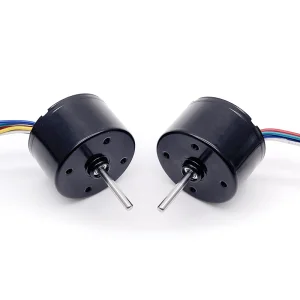
Traditional brushed DC motors rely on physical carbon or metal brushes that wear down over time due to friction, sparking, and electrical noise. Brushless DC (BLDC) vibration motors eliminate these contacts, switching to electronic commutation. This eliminates internal mechanical wear, extends operational lifespan, reduces electromagnetic interference (EMI), and provides higher torque output, making them ideal for heavy-duty smart locks, surgical instruments, and aerospace interfaces.
How does gear backlash affect micro geared motors?
Backlash is the clearance gap between mating gear teeth. In micro geared motors used for high-precision positioning or smart locks, excessive backlash causes mechanical play, lag in response, and accelerated gear tooth wear. To minimize this, advanced factories utilize high-precision Swiss hobbing machines and strict assembly tolerances to produce zero-backlash or ultra-low backlash gearboxes.
What voltage options are available for micro vibration motors?
Micro vibration motors are commonly designed for low-voltage applications to accommodate battery-powered devices. The typical voltage options include 1.5V, 3V, 5V, and 12V. Custom wound coils can be engineered for 24V applications to match specific industrial power systems.